TO BE A LEADER OF MEN'S ACTIVEWEAR MANUFACTURING, CREATE MORE VALUE FOR SPORTS BRANDS.

Home / Performance Fabric Solutions for Custom Sportswear

Performance Fabric Solutions for Custom Sportswear

Material. Movement. Your next collection.

Connect the material, the movement and the finish. Build your collection with considered fabric choices, purposeful detailing and a clear path from swatch to garment.
  • Application-led selection
  • Fabric & branding compatibility
  • Swatch-to-garment development
Request Fabric RecommendationsExplore Fabrics & Techniques

Selection Guide

Fabric Families

Fabric Details

Performance

Techniques

Business Value

Development

Quality & Testing

Responsible Materials

FAQ

Request Swatches

MOQ 100+ pcs

Sample 7–10 days

OEM / ODM / Private Label

ISO 9001 / OEKO-TEX

Moisture-Wicking Tech

Recycled Poly Options

Find the Right Fabric for the Way They Move.

Start with the activity, climate, fit and target price. Then narrow the material options around what matters most to your collection.Define the Use Set Priorities Compare Materials Verify on the Garment
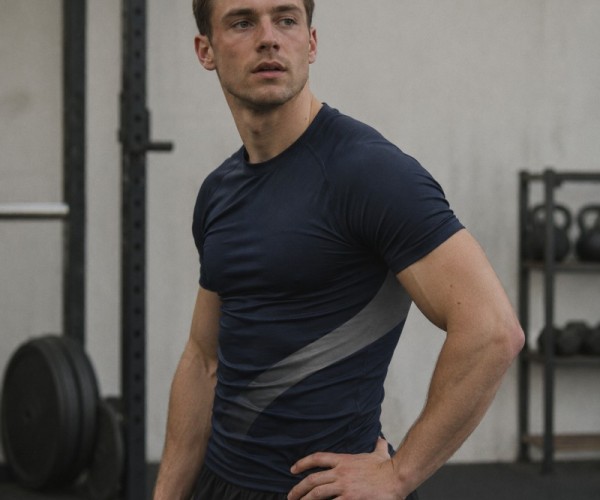
Gym & Training

Gym & Training

Training tees, tanks, shorts and coordinated sets.

Balance moisture management, mobility, comfort and durability.

Explore Training Tops
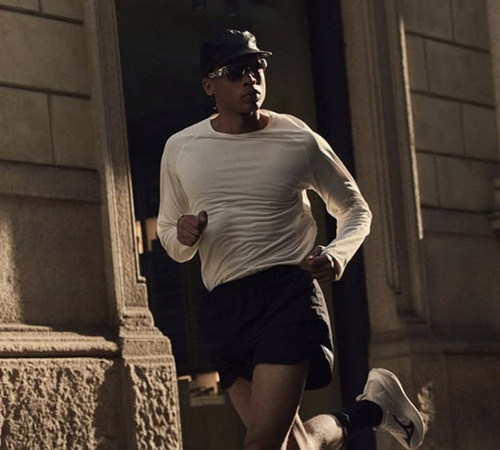
Running & Roadwork

Running & Roadwork

Running tops, shorts and lightweight layers.

Focus on low weight, ventilation, drying and low-friction comfort.

Explore Light Layers
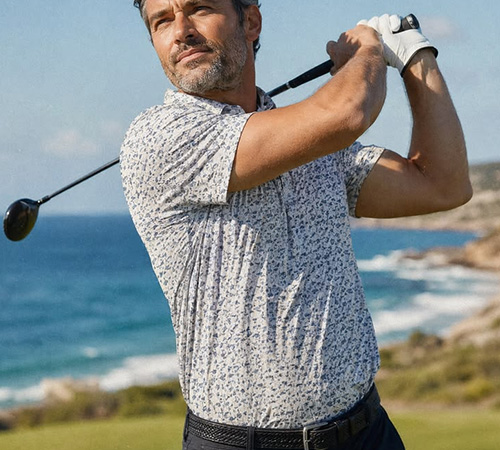
Golf & Court

Golf & Court

Polos, court apparel and course-ready layers.

Combine a considered appearance with stretch, structure and comfort.

Explore Golf Polos
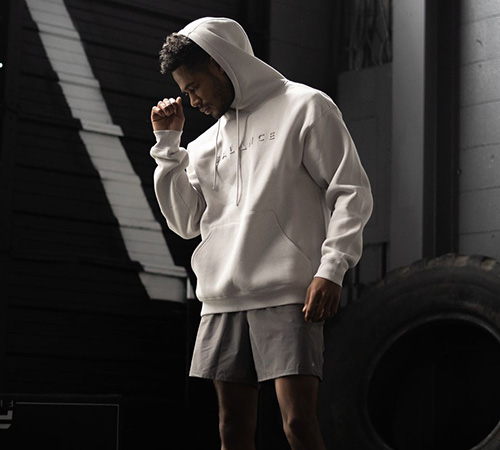
Athleisure & Lifestyle

Athleisure & Lifestyle

Hoodies, joggers and matching collections.

Choose the surface, drape, warmth and wash response that fit your brand.

Explore Hoodies
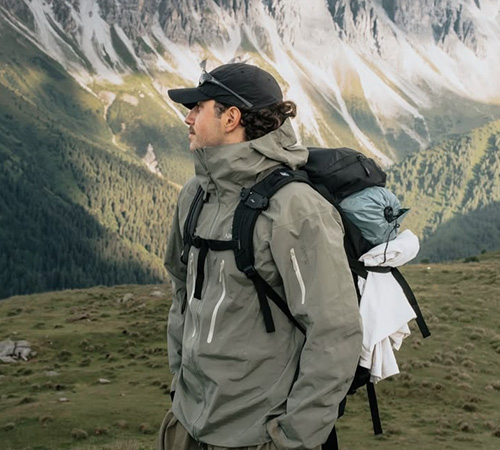
Outdoor & Outerwear

Outdoor & Outerwear

Windbreakers, shells and weather-ready layers.

Define packability, protection and durability alongside construction.

Explore Outerwear
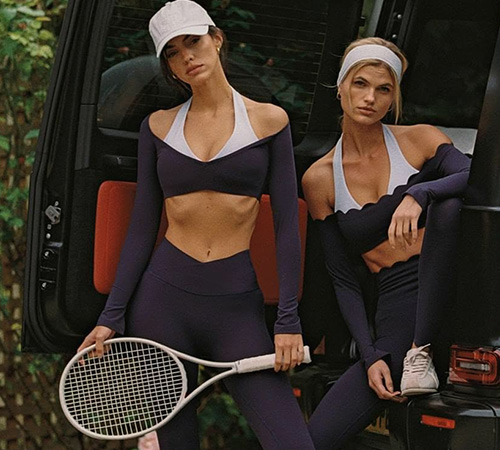
Collection Extensions

Collection Extensions

Women's activewear and age-appropriate kids' sportswear.

Adapt material selection around the wearer, coverage, fit, comfort and product-specific requirements.

Explore Women's Activewear
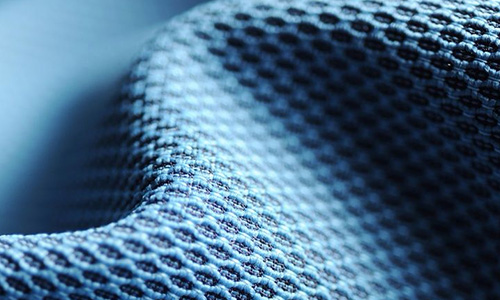
Expanding Your Range?

The same process can support women's activewear and kids' sportswear, with fit, coverage, comfort and product-specific requirements reviewed for the wearer.

Five Fabric Families.
A Focused Starting Point.

Find a material direction before defining the exact quality. Composition, GSM, width, color and finish are confirmed against the shortlisted fabric—not assumed across a whole family.
Performance Knits

Performance Knits

Jersey / interlock / mesh

  • Suitable ForTraining tops, tanks and technical tees.
  • Selection FocusCompare knit density, surface, hand feel and moisture behavior.
  • Development OptionsDiscuss composition, weight, shade, surface and finish for the selected quality.
See Garment Applications
Stretch Fabrics

Stretch Fabrics

Polyester / nylon blend directions

  • Suitable ForTights, fitted tops and movement-focused shorts.
  • Selection FocusReview stretch direction, recovery, growth and coverage in the intended fit.
  • Development OptionsDiscuss composition, weight, shade, surface and finish for the selected quality.
See Garment Applications
Piqué & Golf Fabrics

Piqué & Golf Fabrics

Piqué / jersey / interlock

  • Suitable ForPolos, court tops and golf layers.
  • Selection FocusBalance texture, drape, structure and decoration compatibility.
  • Development OptionsDiscuss composition, weight, shade, surface and finish for the selected quality.
See Garment Applications
French Terry & Fleece

French Terry & Fleece

Loopback / brushed / cotton blends

  • Suitable ForHoodies, joggers and coordinated sets.
  • Selection FocusChoose bulk, warmth, surface feel and wash stability together.
  • Development OptionsDiscuss composition, weight, shade, surface and finish for the selected quality.
See Garment Applications
Technical Wovens & Shells

Technical Wovens & Shells

Lightweight / ripstop / shell options
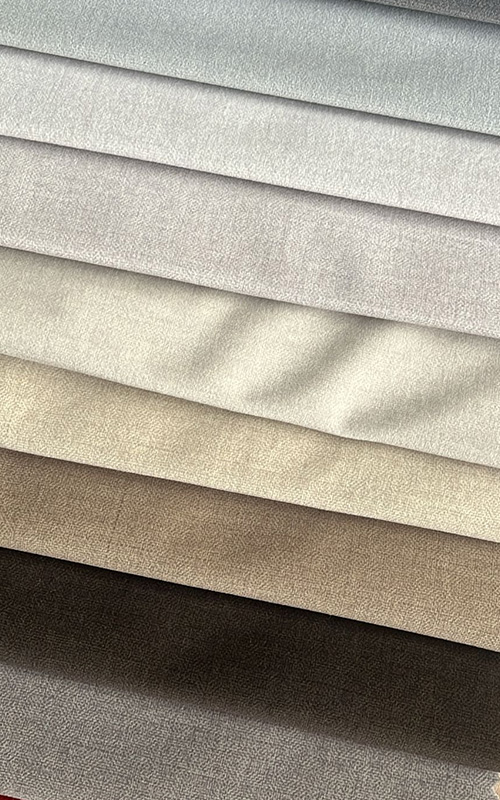
  • Suitable ForRunning shorts, windbreakers and outdoor layers.
  • Selection FocusCompare weight, packability, protection and complete garment construction.
  • Development OptionsDiscuss composition, weight, shade, surface and finish for the selected quality.
See Garment Applications
OPTIONS ACROSS THE COLLECTION

OPTIONS ACROSS THE COLLECTION

A different material.
A considered choice.

Explore recycled-content options, mélange effects and surface treatments where they fit the brief and are available for the chosen quality.

Material availability, supplier minimums and supporting documents are confirmed per project.

Discuss Your Material Direction
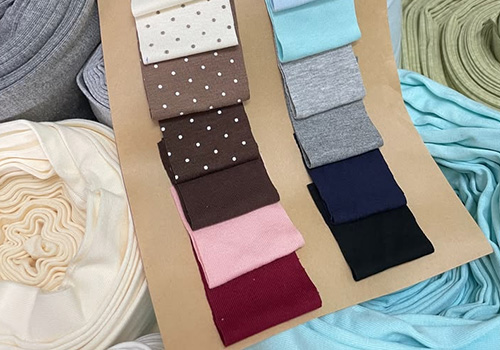
Build your men's sportswear range with fabrics matched to the garment, season and target price. Explore composition, weight, stretch, color and finishing options, then confirm your selection with fabric swatches.

See the Surface.
Compare the Possibilities.

Look beyond the garment silhouette. Review material texture, structure and finishing references, then confirm the exact quality through project swatches.
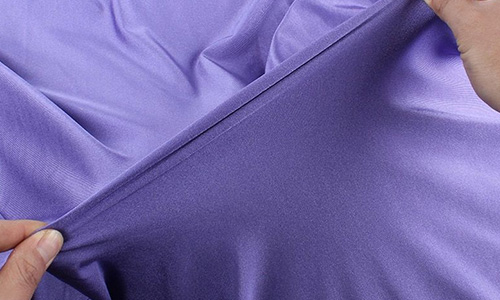
Fine-Stripe Stretch Knit

Fine-Stripe Stretch Knit

  • 52% Nylon
  • 26% Polyester
  • 22% Elastane

175 GSM · 160 cm

Training tees, polos and tanks
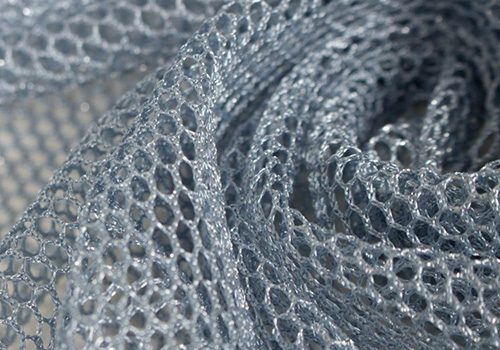
Lightweight Micro-Mesh

Lightweight Micro-Mesh

  • 87% Polyester
  • 13% Elastane

135 GSM · 165 cm

Running tops and ventilation panels
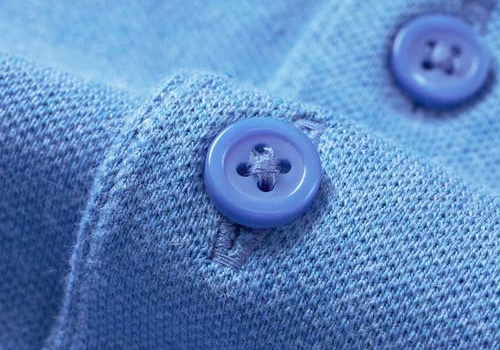
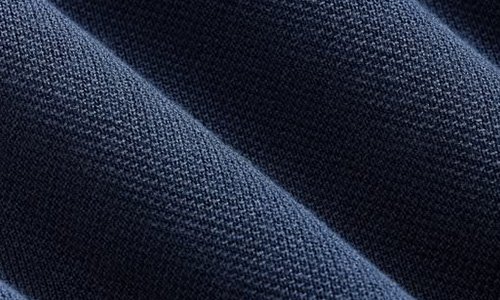
Lightweight Polo Fabric

Lightweight Polo Fabric

  • 100% Polyester

160 GSM · 142 cm

Polos and casual sports tops.

Compare these fabric references by texture, composition and weight to find a starting point for your men's sportswear collection. Share your garment brief to discuss suitable options and review swatches before sampling.

A practical fabric comparison

FamilyKey QuestionConfirm on the Sample
Performance knitsLight and airy, or smooth and structured?Hand feel, moisture behavior and print result
Stretch fabricsHow much movement, support and coverage?Elongation, recovery, fit and opacity under stretch
Piqué & golfTextured classic, or smooth technical appearance?Drape, collar behavior and decoration
Terry & fleeceLoopback or brushed? Light or substantial?Surface durability, shrinkage and wash response
Wovens & shellsPackability, stretch, or weather protection?Fabric performance with seams and construction

Selected Material Specifications

Reference QualityCompositionGSMWidth (cm)Suggested application
Fine-Stripe Stretch Knit52% Nylon / 26% Polyester / 22% Elastane175160Training tees, polos and tanks
Lightweight Micro-Mesh87% Polyester / 13% Elastane135165Running tops and ventilation panels
Lightweight Polo Fabric100% Polyester160142Polos and casual sports tops
Brushed-Back Stretch Knit84% Polyester / 16% Elastane280160Cold-season tops and midlayers

Looking for a Different Weight, Stretch or Finish?

Share your men's sportswear brief and target price to discuss fabric options for your collection.

Specify the Outcome.
Make the Details Work Together.

A fabric choice is also a construction and branding decision. Align the material, intended function and application method before sampling.

Moisture & Comfort

Treat wicking, drying time and air permeability as separate requirements.

Stretch & Recovery

Define how the garment needs to extend, recover and retain its fit.

Coverage & Support

Evaluate on the garment under stretch; GSM alone does not establish opacity.

Durability & Care

Consider pilling, abrasion, colorfastness and repeated-wash behavior.

Weather Protection

Distinguish water repellency from waterproof garment performance.

Additional Requirements

Discuss warmth, UV or odor-control needs with quality-specific evidence.

Your Fabric Specification,
Built Around Your Product.

Choose the characteristics together, so a change in one area does not undermine another.
01

Composition

Discuss fiber blends around comfort, performance, appearance and target price.

02

GSM & Width

Select weight and usable width together with density, drape and garment yield.

03

Construction

Compare knit or woven structures, stretch direction and surface character.

04

Color Development

Review shade references and lab dips where the selected route requires them.

05

Hand Feel & Finish

Explore brushed, peached, textured or other finishes with sample verification.

06

Application Compatibility

Confirm how print, transfer, embroidery, embossing or bonding behaves on the selected fabric.

Functional Fabric Directions

Use the required outcome to guide material selection and the verification plan.
UV Protection

UV Protection

Discuss the required rating and supporting test evidence for the selected fabric.
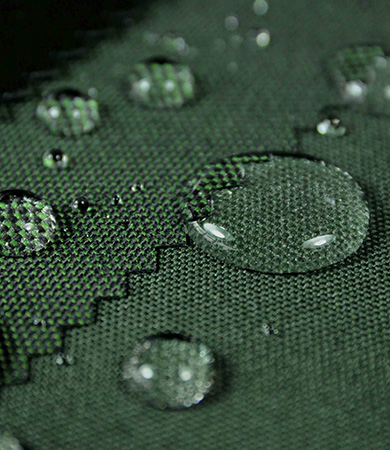
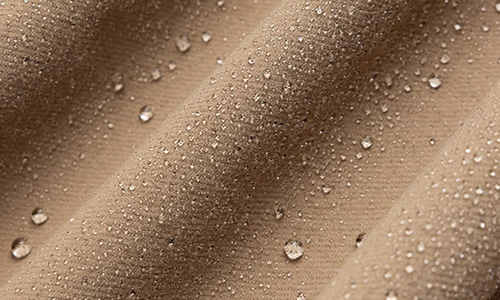
Water Repellency

Water Repellency

Separate surface water repellency from waterproof fabric and garment construction.
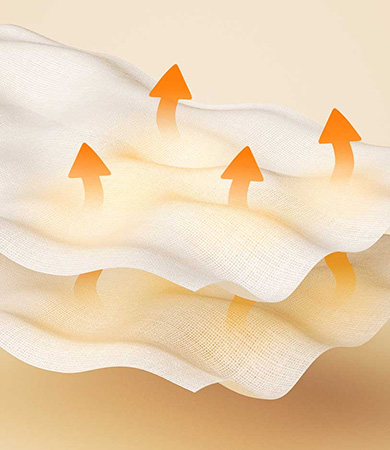
Warmth & Insulation

Warmth & Insulation

Balance warmth, weight, layering and moisture needs for the intended conditions.
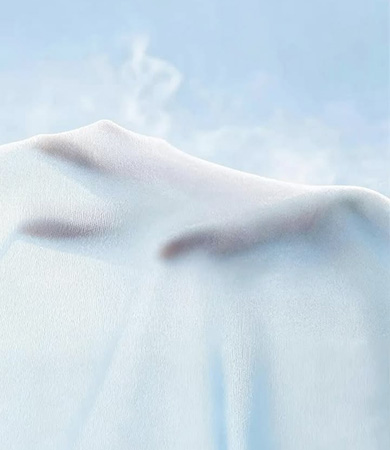
Breathable Comfort

Breathable Comfort

Review air permeability, moisture movement and drying as distinct requirements.
Share your men's sportswear performance needs to explore the right fabric solution for your collection.

Make the Material Work with the Detail.

Explore each technique as part of the complete product. Approve the result on the selected fabric and garment—not only on an unrelated demonstration sample
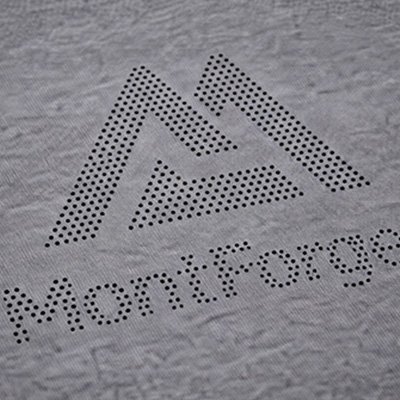
Laser Perforation

Laser Perforation

Targeted ventilation. A distinctive technical look.

Explore perforated patterns and ventilation zones for running, training and technical apparel.

Sample Check

Confirm placement, opening pattern, material compatibility and performance on the actual garment.
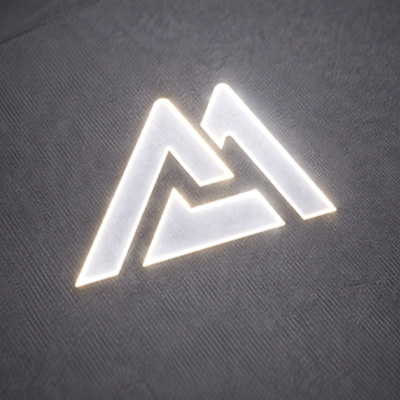
Reflective Heat Transfer

Reflective Heat Transfer

A considered detail for low-light collections.

Introduce reflective graphics and placement details for running layers, shorts and activewear.

Sample Check

Check placement, stretch response, adhesion and the applicable evidence before making visibility claims.
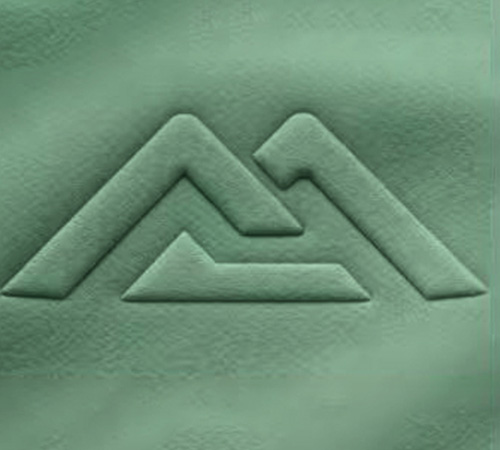
3D Embossing & Raised Effects

3D Embossing & Raised Effects

Create a tactile, recognizable brand language.

Explore tonal relief, raised branding and material texture as part of the product identity.

Sample Check

Confirm the selected process, fabric response, relief and wash appearance on the sample.
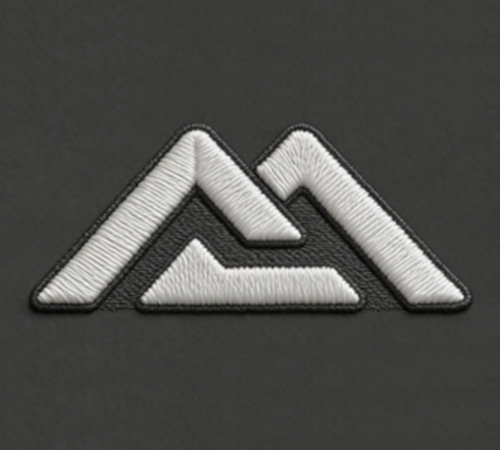
High-Density Embroidery

High-Density Embroidery

Give logos depth and a defined finish.

Consider embroidered branding for polos, fleece and appropriate structured fabrics.

Sample Check

Review fabric support, stitch density, backing, placement and next-to-skin comfort.
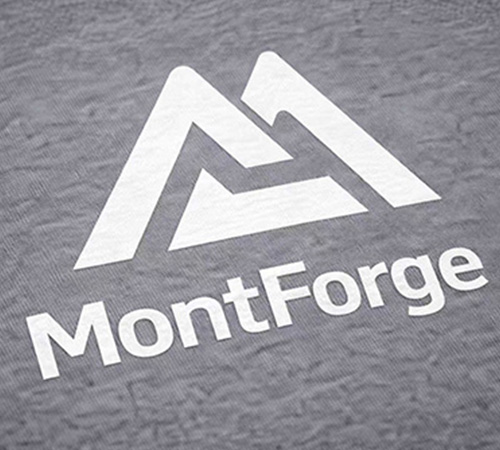
Screen Printing & Rubber Effects

Screen Printing & Rubber Effects

Build color and surface into the collection.

Compare selected print directions for graphics, logos and contrasting surface treatments.

Sample Check

Confirm ink system, color, hand feel, stretch and wash performance on the selected material.
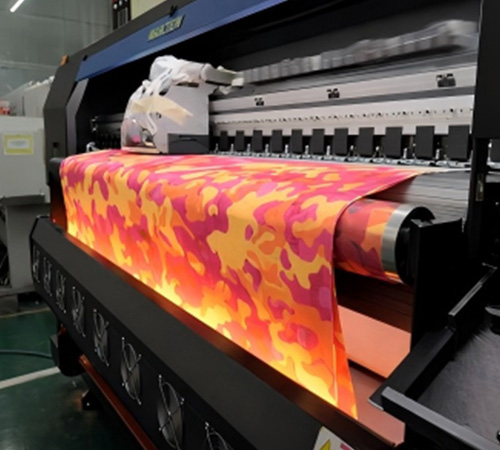
Digital Printing & Heat Transfer

Digital Printing & Heat Transfer

Translate the artwork into a material-ready result.

Discuss artwork, color detail and suitable print or transfer routes for the chosen fabric.

Sample Check

Approve the artwork application, color and process compatibility before bulk production.
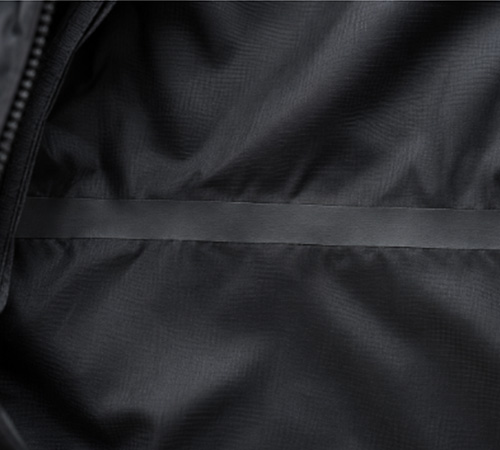
Bonding & Seam Construction

Bonding & Seam Construction

Connect the material with the garment build.

Review bonding or seam strategies where they support the design, comfort or protection brief.

Sample Check

Confirm the actual materials, construction method and required testing. Image: Illustrative construction concept.
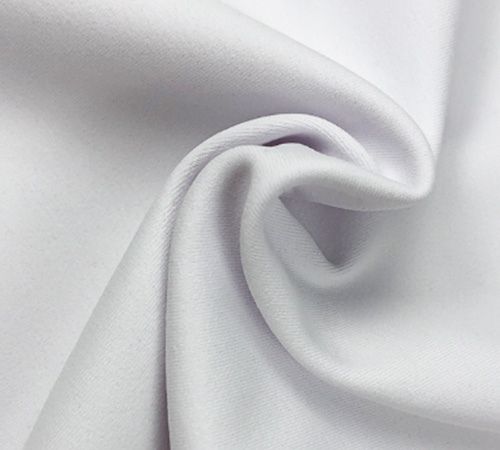
Color, Surface & Finishing

Color, Surface & Finishing

Make hand feel and appearance part of the brief.

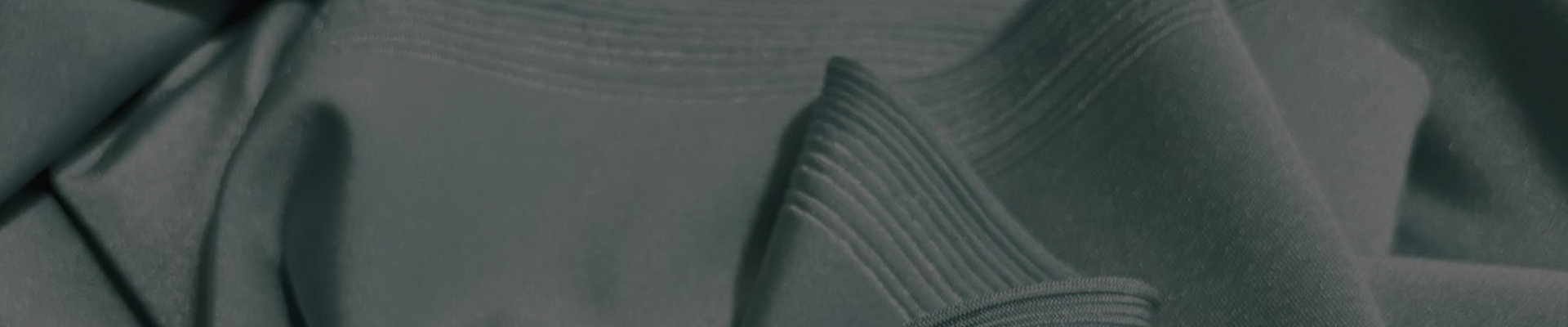
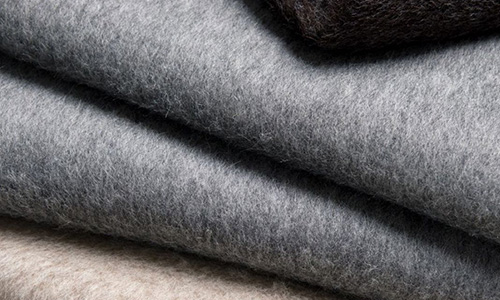
Explore color direction, matte or lustrous appearance, and brushed or peached hand feel. The fabric shown is a brushed-back activewear reference for running base layers and sports midlayers; confirm surface and reverse-side finishes on the selected swatch.

Sample Check

Confirm availability, the approved sample, care behavior and the supplier development route.

Not every technique suits every material. Share the fabric, artwork and intended result so the development route can be assessed together.

WHAT YOUR BUSINESS GAINS

How Our Fabric Solutions Support Your Business

Turn fabric decisions into practical advantages: balance performance and budget, reduce development rework, and define quality standards that support consistent production and repeat orders.
Build a distinctive collection, make informed cost decisions, and move from fabric selection to bulk production with greater confidence.
01

Differentiate Your Collection

Build a material identity.

Match texture, hand feel, shade and technique to the way you want your brand to be experienced.

02

Balance Cost and Performance

Invest in what matters.

Compare suitable material routes against the product brief and target price, avoiding unnecessary specification.

03

Reduce Development Rework

Make decisions earlier.

Use clear requirements, swatches and garment reviews to reduce avoidable changes during development.

04

Lower Product Quality Risks

Find issues before bulk.

Review fit, wash behavior, surface and coverage at the stages where adjustments can still be made.

05

Build Consistency for Reorders

Create a repeatable reference.

Use approved swatches, shade standards and specifications to support bulk and replenishment discussions.

06

Support Credible Product Claims

Give your product story a basis.

Confirm the relevant test evidence and material documents before using functional or recycled-content claims.

From Fabric Brief to Bulk Approval

Each stage turns an open question into a recorded decision. Minimums, fees and timing are confirmed for the chosen material and development route.

Define the Brief

Share the garment, market, activity, hand feel, budget and estimated quantity.

A clear set of development priorities.

Shortlist Fabrics

Compare suitable existing qualities and any custom-development alternatives.

A focused material direction.

Review Swatches & Color

Evaluate feel, structure and shade; discuss lab dips where needed.

An approved material and color reference.

Develop Garment Samples

Assess the fabric in the intended fit, construction and decoration.

A product you can review in use.

Verify & Refine

Agree relevant checks and resolve gaps against the brief.

Confirmed revisions and acceptance criteria.

Approve for Bulk

Confirm specifications, reference samples and the inspection plan.
A shared production standard.

Make Performance Clear.
Make Quality Verifiable.

Internal checks, fabric supplier documents and third-party reports serve different purposes. Confirm what applies to your product and which records can be supplied.

A test method is not a universal pass level. Methods, conditions and acceptance criteria are agreed for the selected material, garment and market.

  • 01

    Specifications & Appearance

    Define composition, GSM, usable width, shade and visual requirements for the selected quality.

  • 02

    Performance Verification

    Agree relevant colorfastness, dimensional stability, pilling, recovery or other checks against the intended use.

  • 03

    Garment & Technique Review

    Check the selected material in the actual fit, construction and branding application.

  • 04

    Bulk & Reorder References

    Use approved swatches, shade expectations and specification records to support consistent follow-up orders.

  • 05

    Material Documentation

    Confirm the certificate holder, product coverage and applicable order documents for recycled-content or other material requirements.

  • 06

    Care & Wear Validation

    Review wash-and-wear samples for changes in appearance, hand feel and comfort under the agreed care instructions and intended sports use.
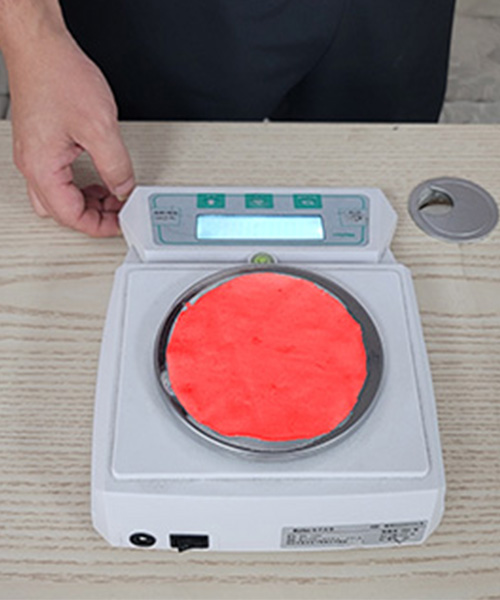
From Reference to Evidence

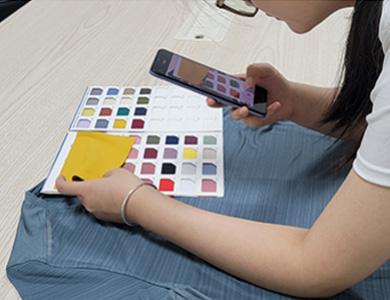
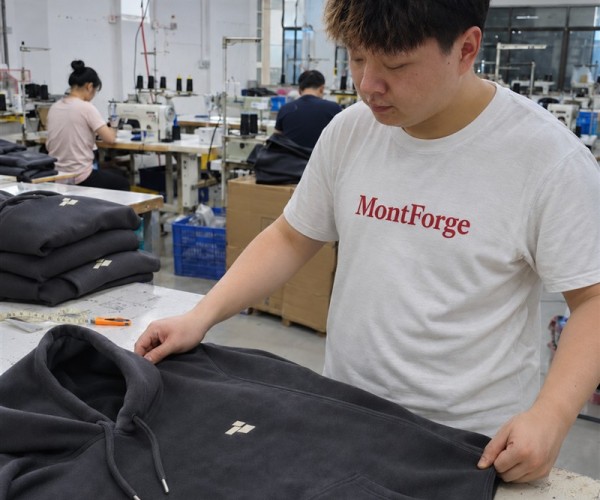
Existing Montforge production-process imagery illustrates the stages to discuss in your project.
Shade & Color Reference

Shade & Color Reference

Review the reference color, shade expectations and applicable color approval route.
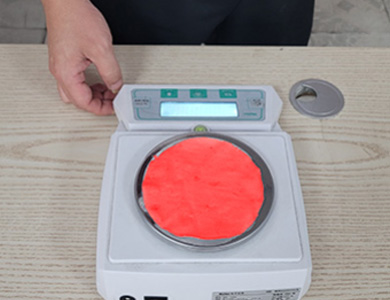
Fabric Inspection

Fabric Inspection

Check the selected material against the agreed specification and inspection plan.
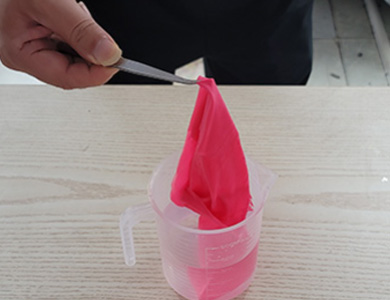
Colorfastness Review

Colorfastness Review

Define the relevant colorfastness questions and required evidence for the garment.
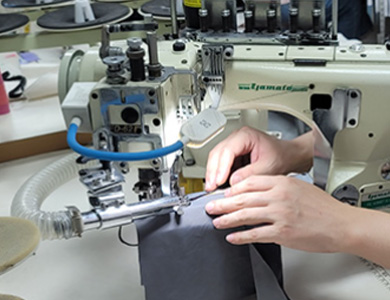
Garment Sample Review

Garment Sample Review

Assess fit, appearance, comfort and technique compatibility together.
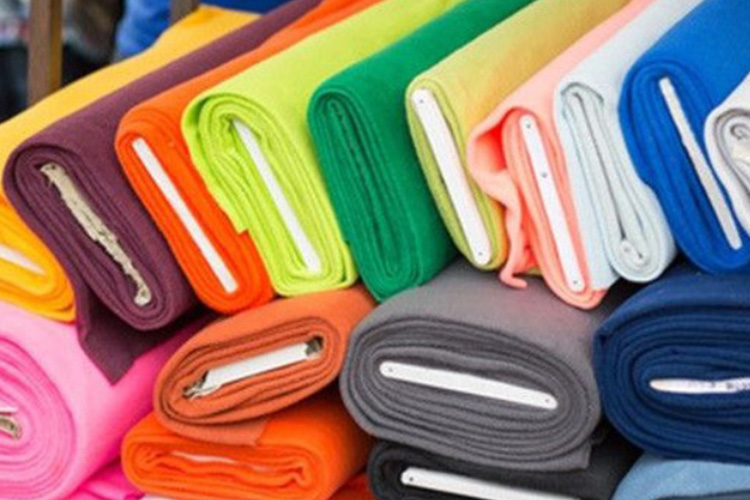
MATERIAL CHOICE / DOCUMENTED SCOPE

Responsible options.
Clear supporting records.

Discuss recycled-content qualities where they meet the product brief. Confirm availability, the relevant certificate holder, product scope and applicable order documentation.
  • Compare the material route against performance and budget.
  • Confirm which supporting documents apply to the selected quality.
  • Use verified evidence to support the final product description.

Fabric FAQ for Sportswear Brands

Practical answers to help turn an early idea into a workable material brief.
  • How should kids sportswear be approved for repeated washing and active movement?
    Approve kids sportswear using the agreed care procedure and movement requirements for its intended use.
  • What should be checked when approving attached trims on kids sportswear?
    Review each attached trim for its intended use, attachment security and potential hazards if it loosens or breaks.
  • How should the testing scope for kids sportswear materials be established?
    Establish the testing scope from the destination market, intended age group, garment category and the actual materials and trims.
  • How should zipper comfort be assessed on a kids training jacket sample?
    Assess the zipper on the complete kids jacket for comfortable operation and skin contact at the chin and neckline.
  • What should be reviewed before adding cords or drawstrings to kids sportswear?
    Review the destination market, intended age group, garment category and cord location before adding cords or drawstrings.
  • What sizing information should be provided for kids sportswear development?
    Provide the intended age range, target body measurements and garment fit requirements before developing kids sportswear.

Tell Us What Your Fabric Needs to Do.

Start with what you know. You do not need a complete technical specification to discuss fabric options for your garment project.In your message, include the product, intended use, target market, feel and performance requirements, estimated quantity and any reference images or Tech Pack.

A Useful Starting Brief

  • + Garment & collection direction
  • + Activity, climate & target market
  • + Hand feel, function & appearance
  • + Estimated quantity & target budget
  • + Known composition, GSM or color
  • + Reference garment or Tech Pack

Not sure about a specification? Tell us the result you want.
Please send your message to us
*Email
Name
*Phone
*Title
*Content
Upload
  • Only supports .rar/.zip/.jpg/.png/.gif/.doc/.xls/.pdf, maximum 20MB.
Address

BLOG

Custom Tracksuit and Sweatsuit Manufacturing Insights

The global demand for custom matching sets continues to grow, especially across the European slim heritage sportswear and American vintage warm-up categories. Modern brands are now launching coordinated capsule collections with set-matched shell fabric, trim package, and Pantone color.At the same time, 100% nylon taffeta warm-up sets are making a major comeback — driven by 80s Champion-style retro sportswear and the Gen-Z heritage streetwear crossover.For brands looking to scale matching sets, working with a reliable manufacturer that offers set-matched grading, set-matched Pantone, and fast turnaround is essential for long-term capsule success.More Post
subscription

TO BE A LEADER OF MEN'S ACTIVEWEAR MANUFACTURING, CREATE MORE VALUE FOR SPORTS BRANDS.