Custom Compression Shirt Suppliers for Wraparound Prints
Choose custom compression shirt suppliers by their ability to connect artwork, garment patterns and stretch behavior in one approved sample. Request a relevant decorated garment, inside seam photographs and a size-specific placement plan before comparing prices. A flat artwork preview cannot establish how a wraparound graphic will meet at a side seam or look during movement. MontForge's published stretch-logo and fit-development guidance provides a practical starting point: review the actual fabric, document print dimensions separately from garment measurements, and confirm the proposed process before bulk decoration.
Artwork mapping
Link the graphic to panel boundaries.
Worn appearance
Check alignment across sizes and movement.
Print approval
Retain the decorated sample and artwork revision.
Why are wraparound compression prints difficult?
A wraparound design crosses surfaces that move differently when worn. The front, side and back panels can stretch unevenly, while a seam interrupts the graphic. What looks continuous on a flat drawing may shift when the wearer raises an arm or rotates the torso.
Start by defining the visual outcome you need. A broad abstract stripe can tolerate different treatment from lettering or a narrow line that must meet precisely. Identify critical joins and acceptable variation before asking a supplier to promise alignment.
Which sourcing routes should enter your shortlist?
Compare the development scope behind each proposal. An existing compression block may suit branding changes, while a graphic tied to a particular panel layout may need pattern development.
This table compares sourcing routes. Each candidate should confirm its actual process, product experience, minimums and sample schedule. Do not assume all routes are available for every fabric.
| Route and positioning | Strengths and scope | MOQ and cost questions | Sample and timing questions | Buyer fit and evidence |
|---|---|---|---|---|
| Existing shirt with decoration | Established fit; artwork adapted to available surfaces | Confirm style-color minimums and artwork setup fees | Request an actual decorated shirt, not only a rendering | Brands accepting the base pattern; check side-seam limitations |
| ODM pattern adaptation | Existing block adjusted around agreed design details | Confirm pattern changes, material minimums and revision charges | Allow separate fit and graphic approval stages | Brands adapting a design platform; review revised panel references |
| OEM coordinated development | Buyer-led pattern, artwork and construction package | Confirm grading, artwork variants and development deliverables | Agree final-material trials and representative size reviews | Brands needing controlled graphic placement; retain approved specifications |
Which supplier samples should you request?
Request a garment showing artwork that genuinely crosses a relevant seam or panel boundary. Ask for front, back, side and inside views, with enough detail to inspect the join. A small chest logo sample answers a different question from a torso graphic spanning several pieces.
Identify the sample's fabric, size and decoration process. Ask whether it represents the proposed production method or only an illustrative development example. If a supplier cannot show comparable work, discuss a feasibility trial instead of treating unrelated photographs as proof.
How should artwork connect to the garment pattern?
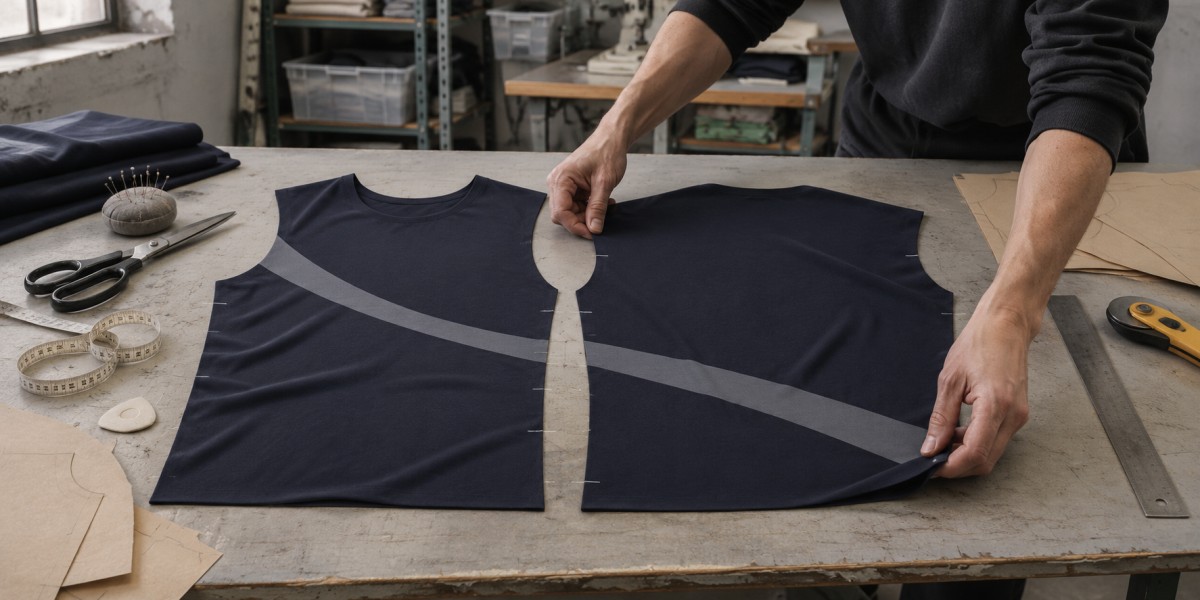
Provide artwork alongside the current pattern or panel drawings. Mark seam lines, cutting boundaries, orientation and the graphic's intended position on the finished garment. Distinguish the visible design from any allowances needed for the proposed manufacturing process.
Ask the supplier how panel joins will be handled and which locations are difficult to control. Do not impose an arbitrary universal alignment tolerance without reviewing construction and material behavior. Agree measurable acceptance criteria for the actual design and record how the garment will be prepared for inspection.
Which artwork dimensions should change by size?
Separate garment grading from artwork sizing. MontForge's fit-development FAQ specifically treats print dimensions and garment measurements as different specifications. A request for a larger graphic should not silently authorize a change to the approved chest width or body length.
Mark which artwork dimensions remain fixed and which vary by size. Identify placement from stable measurement points and show any size-specific exceptions. Review representative sizes when the graphic's relationship to seams, sleeve openings or hem position changes across the range.
How should you select a decoration process?
Ask for a recommendation based on fabric identity, color, graphic coverage and intended use. Different processes have different material and construction requirements; the word “stretch” does not establish compatibility. Request the exact proposed process and its limitations in the quotation.
For a heat-transfer proposal, review adhesion, cracking and the feel of decorated areas during stretch. If another process is proposed, agree the checks relevant to that method. Do not describe sublimation or another all-over process as an available MontForge capability until the team confirms it for the selected material and design.
What should the print trial demonstrate?
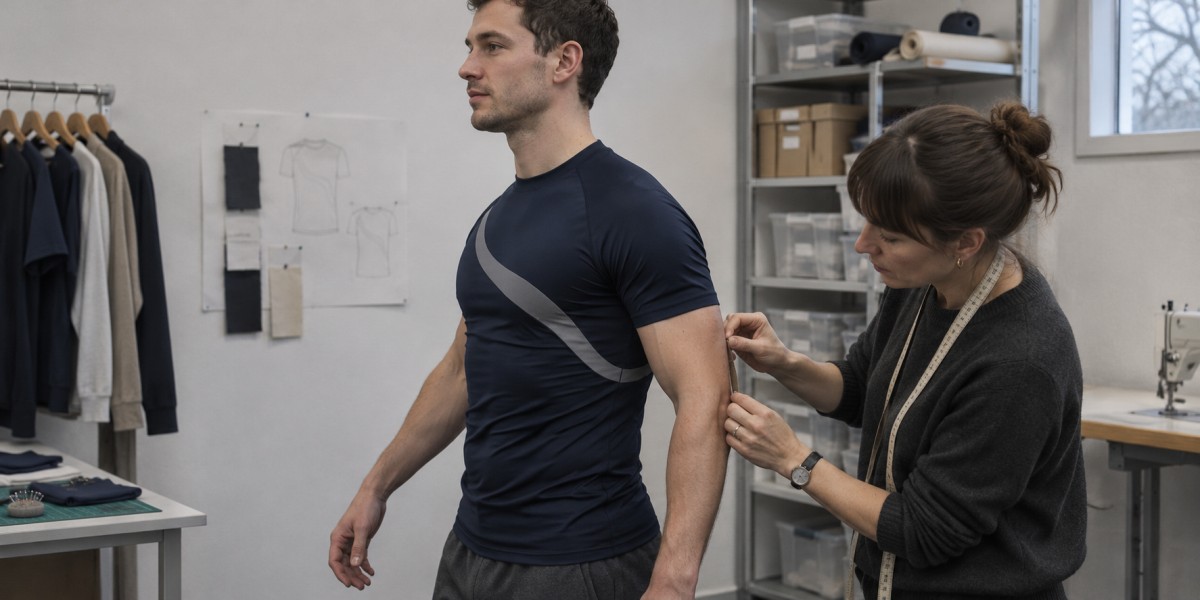
Use the actual intended fabric and color wherever possible. MontForge's published stretch-logo guidance calls for reviewing placement, legibility, distortion, hand feel and appearance after an agreed wash procedure. Apply those checks to the wraparound design's critical areas rather than approving an isolated offcut alone.
Review the decorated shirt relaxed, worn and during a defined movement sequence. Note whether graphics become visibly distorted, joins separate or the decoration changes comfort. Record the conditions and findings so later sample rounds can be compared consistently.
How should you check seams and wash appearance?
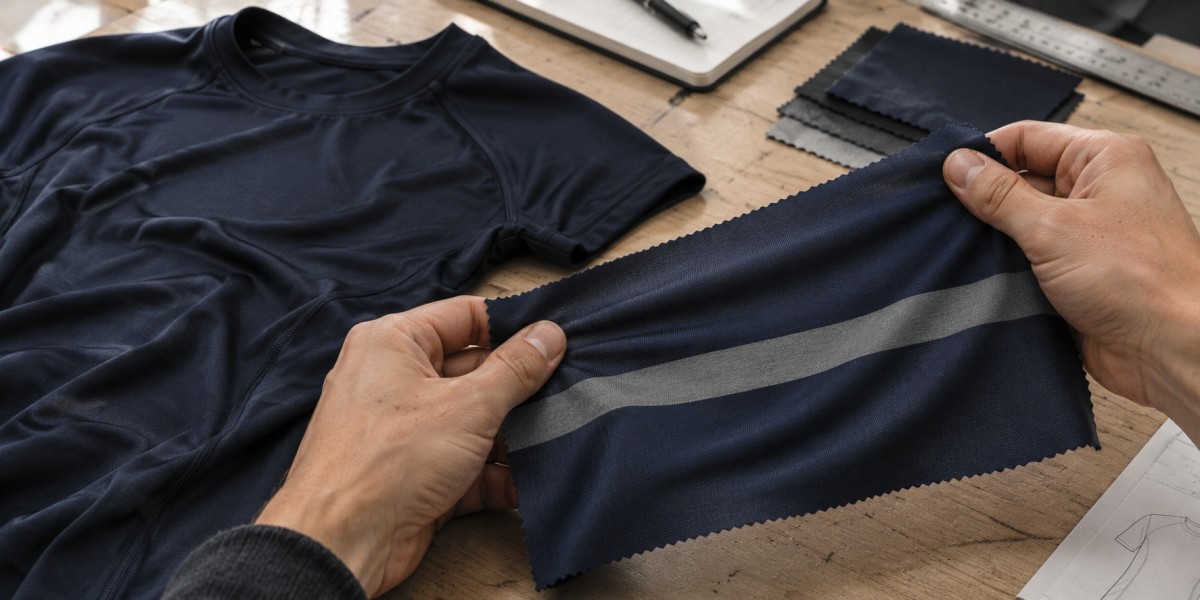
Inspect seam alignment and the surrounding decorated surface together. Look for a graphic hidden in the seam allowance, an unexpected interruption or a join that shifts after assembly. Check inside construction for bulk or roughness where the shirt contacts the body.
Agree the wash procedure and inspection timing for the finished garment. Compare color, surface appearance, adhesion where relevant and graphic position against the retained reference. Avoid publishing a durability claim based on an undefined wash demonstration or a trial using different materials.
What evidence should accompany a comparable quotation?
Send each candidate the same design revision, fabric direction and quantity breakdown. Request separate entries for pattern work, artwork preparation, size variants, samples and revisions. Clarify which approvals must happen before a production schedule can be confirmed.
- Garment specification and proposed material reference.
- Decoration method, print coverage and known limitations.
- Artwork dimensions, placement points and size variants.
- Critical panel joins and agreed inspection criteria.
- Quantities by style and color, development fees and minimums.
- Sample stages, substitution approval and bulk release requirements.
How can MontForge review your design's feasibility?
Begin with the performance T-shirt manufacturing service and send a complete view of the graphic. Its published guidance supports a discussion of body fit, sleeve shape, measurement points and actual-fabric decoration trials. Those references frame the review without proving a specific wraparound process is already approved.
For a long-sleeve design, explain whether the artwork continues onto the sleeve and identify any cuffs, openings or other features that affect placement. Link the final decorated sample to the dated garment specification and artwork through the production approval process. For broader fit qualification, see the compression apparel supplier guide.
Frequently Asked Questions
Can a supplier guarantee invisible side-seam joins?
Do not assume so. Review the actual pattern, process and sample, then agree inspectable alignment criteria and permitted variation for the design.
Should every shirt size use identical artwork?
Only if that produces the intended result. Define fixed dimensions, graded elements and placements separately from the garment's measurement specification.
Is a printed fabric swatch enough for approval?
It can support a material trial, but does not show assembly alignment or worn appearance. Review a finished garment before approving those features.
Can a logo trial establish full wraparound performance?
No. Coverage, seams and stretch distribution differ. Use a trial representative of the proposed graphic and garment construction.
What should I send for an initial feasibility review?
Send front, side and back artwork views, garment drawings or references, fabric direction, size range and style-color quantities. Include destination and target date, and identify the joins that matter most.
About MontForge
MontForge is a custom sportswear manufacturer offering OEM and ODM services for brands developing men's performance apparel. Its range includes training T-shirts, coordinated sets, shorts, hoodies and outerwear. Buyers can discuss materials, customization, quantities and production terms against their project brief. Learn more about MontForge.