Custom Tank Tops for CrossFit: Fabric, Fit and Branding That Perform
A CrossFit tank top earns its place only if it moves, breathes, and stays fresh through a metcon. The short answer: build it from a 4-way stretch polyester-elastane jersey (not cotton), cut a deep drop armhole for full shoulder and lat range of motion, add an embedded silver-ion anti-odor finish so it survives high-sweat training, and place branding where it will not wash out. Low MOQ production lets an affiliate gym launch its own tank without a warehouse of inventory. This guide covers fabric, fit, finish, branding, and small-batch sourcing for performance tank tops.
Why a 4-Way Stretch Jersey Beats Cotton for WODs
Cotton feels great until you sweat. Cotton fibers absorb water and hold it, so a cotton tank gets heavier, clings to the skin, and stays damp through the rest of a session. Reviewers who compared cotton-blend tanks against compression performance tops found the cotton version soaked through and took far longer to dry, while the technical fabric pulled sweat to the surface and felt nearly dry within minutes. For a WOD that mixes lifting, gymnastics, and cardio, that cling is not just uncomfortable, it is a distraction. A 4-way stretch jersey is engineered the opposite way: hydrophobic fibers push moisture out instead of soaking it in, and the knit stretches in every direction so a snatch or a muscle-up never fights the shirt.
The Fabric Science: Polyester, Elastane, and Moisture Pull
The base of a performance tank is usually polyester for moisture management plus a small hit of elastane for stretch. Elastane (the generic name for Lycra) can stretch 500 to 800 percent and snap back, and it is normally blended at 2 to 20 percent into the body yarn; even 2 percent changes the feel dramatically versus a 100 percent cotton cut. The magic is in the yarn shape: performance polyester is often spun with a multi-channel cross-section that acts like tiny pipes, using capillary action to wick sweat away from the skin against gravity and spread it over a wide surface to evaporate. Some constructions add a honeycomb or pique mesh in the back and underarm zones so hot, humid air escapes and cooler air moves in. The result is a tank that stays light and dry rather than a wet rag stuck to your back.
Armhole Cut and Range of Motion: Drop vs Standard
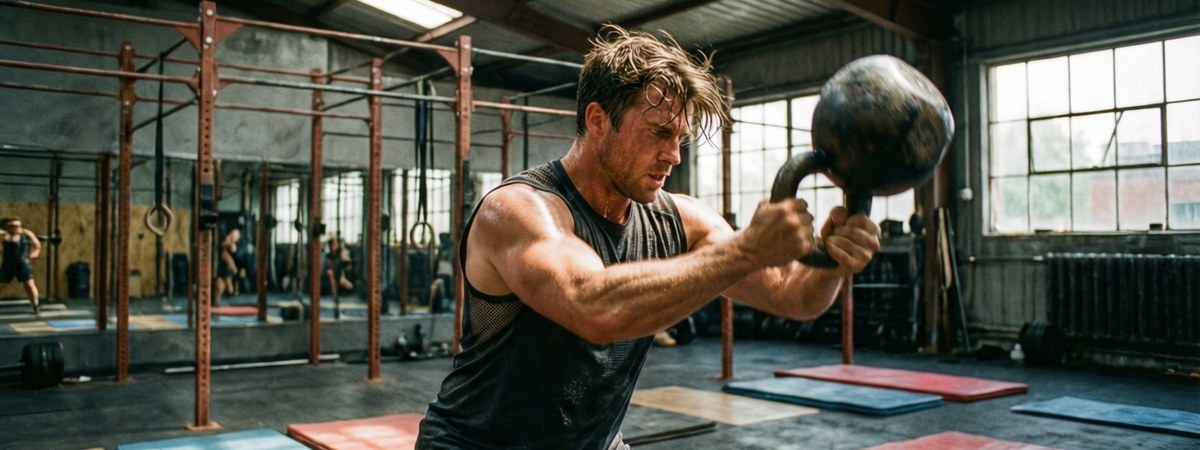
Armhole cut is the number-one "feel" factor in a training tank because it decides how free your shoulders are. A standard armhole sits close to the armpit and side seam: most coverage, most versatile, but it can bind on pull-ups, rows, and carries when you sweat. A drop armhole (sometimes called a "drop arm") cuts deeper down the side, freeing the shoulder and lat so pull-ups, lat pulldowns, and rear-delt work move without restriction, and it adds side airflow in a hot gym. A muscle-tank hybrid sits between the two, roomy enough to train but not so open that your whole side shows. Drop armholes are explicitly positioned by athletic brands as supportive of full range of motion, which is why they dominate pull-day and CrossFit tanks. The trade-off is side exposure and, if the pattern is unbalanced, side-seam twist when soaked, so the cut has to be balanced, not just slashed lower.
The 30-Second Fit Test Before You Lock a Pattern
Before you approve a tank top pattern, run three moves in the sample. Overhead reach: raise both arms, does the hem fly up past your waistband? Hip hinge: fold into a deadlift setup, does the back hem expose more than you want? Bench setup: lie down and arch slightly, does the front hem bunch into your belt line? A curved hem with side vents fixes most of these problems because the shirt moves with you instead of riding up. Flatlock seams at the stress points stop the chafing that a raglan or bound seam causes during high-rep work. If the sample passes all three moves and the seams stay flat, the pattern is ready for bulk; if not, fix the hem and side-seam balance before you cut a hundred units.
Anti-Bacterial Finishes That Survive High-Sweat Training
Odor in activewear is a bacteria problem, not a sweat problem. Synthetic fibers dry fast but can trap the warmth and moisture bacteria love, and those bacteria feed on sweat and skin oils to make the smell that survives a wash. An anti-odor finish targets the bacteria directly. The strongest option for high-sweat training is silver-ion technology embedded into the polyester fiber during extrusion: silver ions bind to the bacterial cell wall, interfere with bacterial DNA to stop replication, and interrupt enzyme action to cut off energy production. Brands using this approach report tops that stay fresh through a full workout and can be rinsed and worn again the next day. Less washing also means less fiber wear, so the garment lasts longer, which is a quiet sustainability win on top of the freshness.
Embedded Silver-Ion vs Topical Anti-Odor Coatings
The difference that matters is where the technology lives. A topical finish is a chemical coating painted on the surface of the fabric: cheap, but it degrades and washes out, typically lasting only 10 to 20 washes before the protection fades. An embedded technology is built into the fiber during manufacturing, so it is permanent for the life of the garment and still effective after 50-plus washes. Fabric suppliers rate embedded silver-ion polyester as "excellent (50+ washes)" for odor control, while a topical quaternary coating rates only "poor (10-20 washes)." For a premium CrossFit line that members wear hard and wash often, embedded is the only choice that will not let the brand down after a month. Insist on test reports, AATCC 100 for antibacterial efficacy and ASTM D737 for air permeability, on the same finished sample, so the finish is not quietly blocking airflow.
Branding Placement That Survives Washing
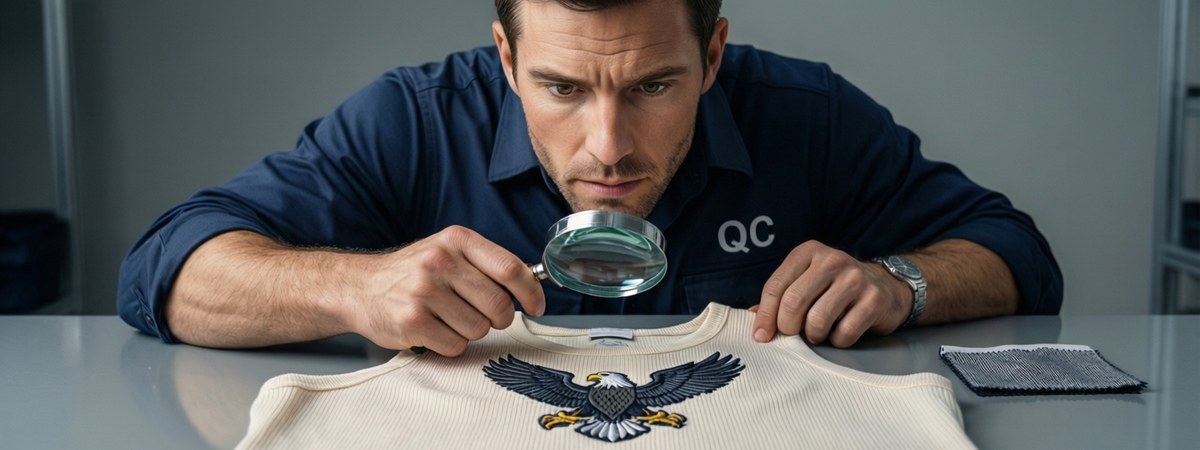
Logos fail in one of two ways: they crack and peel, or they fade. The placement and method decide which. Sublimation prints the logo into the polyester fiber, so it will not crack, peel, or fade through seasons of washing, which is ideal for all-over back graphics and name prints on a synthetic tank. Embroidery sits on top of the fabric as locked stitches, so it survives washing and high-abrasion contact better than any surface ink, which is why chest logos and small marks use it. Heat transfer and screen print can look great on cotton but the ink sits on the surface and can crack or peel on stretchy performance fabric if it is not cured at the right temperature and flexibility. The durable rule: sublimation or embroidery on a polyester tank, place the main logo on the left chest or upper back where it gets seen but not rubbed, and keep large flex prints away from the underarm seam. A tank that still reads as your brand after fifty washes is a tank members keep wearing.
Low MOQ Options for Affiliate Gyms and Studios
A gym does not need a container of inventory to launch its own tank. Many custom activewear manufacturers run no-MOQ or low-MOQ models where a first run can be a single digit of pieces, samples come back in 5 to 7 business days, and bulk runs 15 to 20 business days after approval. Pricing is tiered by volume, so a 100-piece run lands in one band, 300-plus in a lower band, and 500-plus lower still, which lets an affiliate gym test two or three colorways at the front desk and scale the winners. Private label means your woven label, care label, hang tag, and polybag, with no factory name on the garment, so members buy an in-house label rather than a generic shirt with a sticker. For an affiliate gym, that is the line between selling someone else's merch and building a recognizable brand members ask for by name.
How MontForge Builds Performance Tank Tops
MontForge builds custom CrossFit and training tank tops from 4-way stretch polyester-elastane jersey with a deep drop armhole option, embedded silver-ion anti-odor finish, and branding placed to survive washing, sublimated or embroidered depending on the artwork. Sampling runs in 7 to 15 days, low minimums keep a first gym run small, and every order is graded and inspected in stages so the reorder matches the first. Whether you want a muscle-cut affiliate gym tank or a private-label studio line, the build starts from the product page or a short brief, and the result is a tank that performs through the metcon and still looks like your brand after the wash.
Frequently Asked Questions
Why not just use a cotton tank for CrossFit?
Cotton absorbs sweat and holds it, so the tank gets heavy, clings to the skin, and dries slowly through a mixed metcon. A 4-way stretch polyester-elastane jersey wicks moisture out and stretches in every direction, so it stays light and never fights the movement.
What armhole cut is best for pull days?
A deep drop armhole frees the shoulder and lat for pull-ups, rows, and lat work without binding, while a muscle-tank hybrid gives most of that range with a bit more side coverage. Standard armholes are most versatile but can restrict on high-rep pulling.
How long does silver-ion anti-odor last?
Embedded silver-ion technology is built into the fiber and stays effective through 50-plus washes, while a topical anti-odor coating typically washes out in 10 to 20 washes. Ask for AATCC 100 and ASTM D737 test reports on the same sample.
Which branding survives washing best?
Sublimation prints into polyester so it will not crack or fade, and embroidery locks stitches that survive washing and abrasion better than surface ink. Keep large flex prints off the underarm seam and place the main logo on the chest or upper back.
What is the minimum to launch a gym tank top?
Many manufacturers run no-MOQ or low-MOQ models with samples in 5 to 7 days and bulk in 15 to 20 days, tiered by volume. A gym can test two or three colorways at the front desk and scale the winners without holding a warehouse of stock.
Ready to build a tank top that moves, breathes, and stays fresh through the metcon? Send a brief and we will spec a 4-way stretch, silver-ion, drop-armhole tank, sampled in 7 to 15 days.