How to Choose the Right Fabric for Custom Gym T-Shirts (2026 Guide)
Choosing the right fabric for a custom gym t-shirt is the single decision that decides how a shirt feels at minute 45 of a training session, how it survives 100 wash cycles, and how customers talk about your brand. The short answer: for any shirt that will be sweated in, a polyester or polyester-spandex knit beats cotton on performance, while cotton and poly-cotton blends win on casual comfort and print hand-feel. This guide breaks the choice down with the test metrics buyers actually specify.
Polyester vs Cotton: The Core Fabric Decision
Cotton is a natural fibre that absorbs moisture into its core; polyester is a hydrophobic synthetic that moves moisture along the surface. That single structural difference explains almost every performance gap you will feel in a gym tee.
| Property | 100% Cotton | Polyester / Poly-Spandex |
|---|---|---|
| Moisture behaviour | Absorbs, stays wet & heavy | Wicks to surface, dries fast |
| Dry time (typical) | 6-8 hours | 2-3 hours |
| Wash-cycle life | 50-75 cycles | 100+ cycles |
| Shrinkage | 3-8% | <2% |
| Best use | Rest days, lifestyle, print graphics | Training, running, HIIT, teamwear |
Rule of thumb: if the wearer will sweat, specify polyester. Save cotton for relaxed lifestyle drops and bold screen-print graphics.
How Moisture-Wicking Actually Works
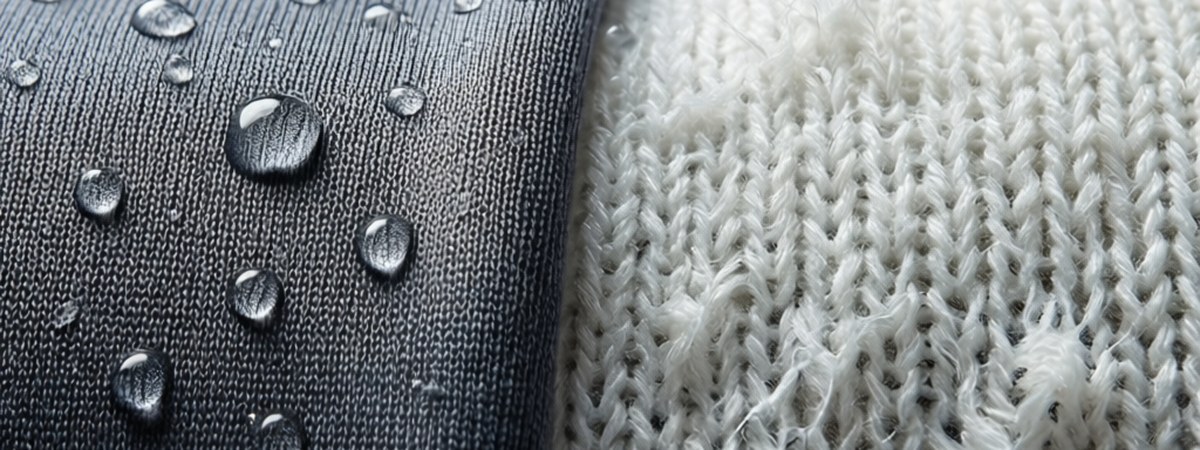
Moisture-wicking is capillary action, not a marketing slogan. Tight channels between hydrophobic fibres pull sweat from the skin to the outer fabric surface, where it spreads and evaporates. Raw polyester repels water, so real wicking needs either a micro-grooved (cross-section) fibre or a hydrophilic finish bonded during dyeing. Cheap "dry-fit" sprays wash out in ~15 cycles; durable finishes are heat-set and survive 50+ washes.
- Cross-section (e.g. 4-channel) polyester = faster wicking, no finish required.
- Hydrophilic finish creates a wicking gradient on smooth fibres.
- Mesh and open-knit structures add airflow on top of wicking.
Breathability Metrics That Matter for Gym Tees
For a performance tee, "breathable" is not a feeling - it is a measured number. When you brief a supplier, ask for lab reports against these standards:

GSM, Hand-Feel and Drape by Brand Position
GSM (grams per square metre) is the number most new brands overlook, yet it controls drape, opacity and how a tee "reads" on the body. There is no single right GSM - only the right GSM for your price and position.
| GSM | Feel & fit | Use it for |
|---|---|---|
| 120-160 | Airy, near-sheer | Lightweight training tanks, liner layers |
| 160-200 | Balanced, breathable | Everyday gym tees, running shirts |
| 200-240 | Smoother, more structured | Premium training tops, woven-like hand |
| 240+ | Heavy, premium streetwear | Oversized streetwear, fashion drops |
Ring-spun and combed cotton, or a fine-gauge poly interlock, lift hand-feel at the same GSM. Pair a higher GSM with a relaxed fit for streetwear; keep 150-190 GSM for performance.
Anti-Bacterial and Odor-Control Finishes
Polyester can hold odour if untreated, which is exactly why performance tees use antimicrobial finishes. The most common, durable technologies:
- Silver-ion - embedded in the fibre; freshness lasts 50+ washes (costs ~15-25% more).
- Zinc-based - gentler, OEKO-TEX friendly, good for sensitive skin.
- Bamboo charcoal / bio-based - traps odour, fits eco positioning.
Always request the finish be applied during dyeing or heat-set - not sprayed on after. Demand lab data to ISO 20743 or AATCC 100, and confirm it survives the wash count your customers expect.
Recycled Polyester and Sustainable Options
Recycled polyester (rPET) performs the same as virgin polyester for wicking, durability and colour - it simply starts as post-consumer bottles. The credible claims rest on third-party certification:
- GRS (Global Recycled Standard): min 20% recycled content; ≥ 50% to use the logo on a hangtag.
- RCS verifies recycled-content traceability; OEKO-TEX 100 screens harmful substances.
- rPET typically uses 30-59% less energy and 32-70% lower CO₂ than virgin polyester.
At MontForge our standard rPET knits are GRS-certified, run 140-280 GSM with 4-way stretch and moisture-wicking performance matched to virgin fabric - so a sustainability story never costs you a performance story.
Blends and Specialty Fibres
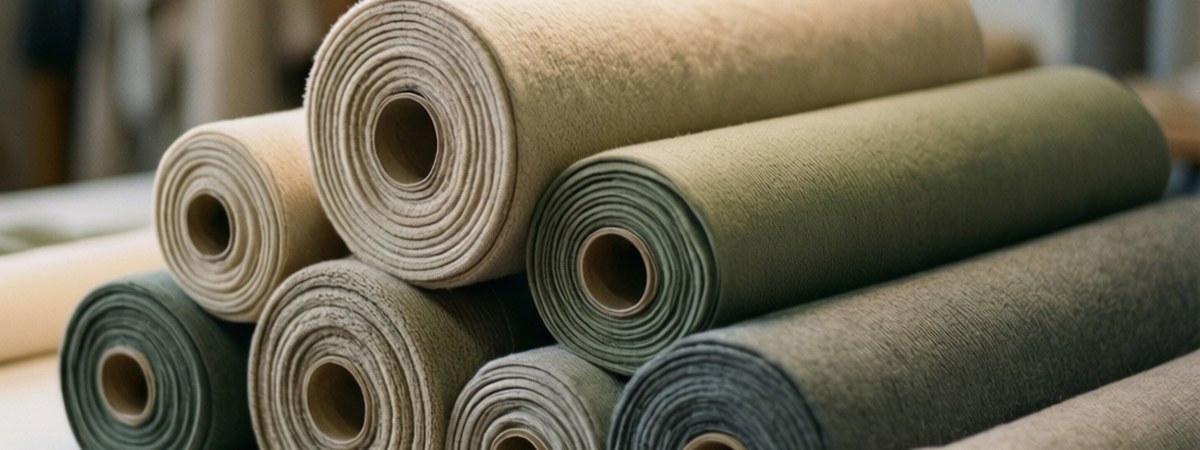
Not every tee should be 100% polyester. Match the fibre to the wear case:
How MontForge Specs Performance Tees
Beyond the fibre, construction decides the result. Our custom sports-t-shirt line is built for brands that need small batches without compromising spec:
- Low MOQ with sampling in 7-15 days from a complete tech pack.
- Poly-spandex jersey (85-92% poly / 8-15% spandex) for true 4-way stretch.
- Sublimation on poly, screen-print and embroidery on cotton - matched to fibre.
- Optional silver-ion or bio-based odor control on performance weights.
A Practical Fabric Decision Checklist for New Brands
Use this ordered checklist when you brief your manufacturer - it removes guesswork and protects your reviews:
- 1 Define intensity: heavy sweat (polyester) vs lifestyle (cotton/blend)?
- 2 Pick GSM by position: 150-190 performance, 220+ premium/streetwear.
- 3 Choose knit: single jersey (value) vs interlock (smoother, pricier).
- 4 Add spandex 8-15% if the fit must stretch and recover.
- 5 Specify the wicking finish + ask for AATCC 195 / TM197 reports.
- 6 Add odor control only if the use case is high-sweat training.
- 7 If sustainability is the story, require GRS-certified rPET.
- 8 Lock print method to fibre: sublimation (poly) or screen/embroidery (cotton).
Frequently Asked Questions
Is polyester or cotton better for gym t-shirts?
For any shirt worn during real training, polyester or a poly-spandex blend wins on wicking, dry time and wash life. Cotton is the better call for relaxed lifestyle tees and bold printed graphics.
What GSM should a custom gym tee be?
Most performance tees land at 150-200 GSM for breathability and drape; premium or streetwear positions go 220-260 GSM for a smoother, more structured hand.
Does recycled polyester perform worse?
No. GRS-certified rPET matches virgin polyester on moisture management, durability and colour when the yarn and finish are specified correctly - it only changes the source material.
How do I stop gym tees from smelling?
Specify a durable antimicrobial finish (silver-ion or bio-based) applied during dyeing, and request ISO 20743 lab data confirming it survives your target wash count.
Still deciding between two fabrics? Send your tech pack and we will spec the exact GSM, knit and finish for your brand position - sampled in 7-15 days.