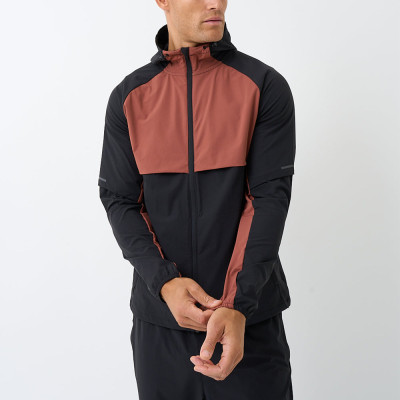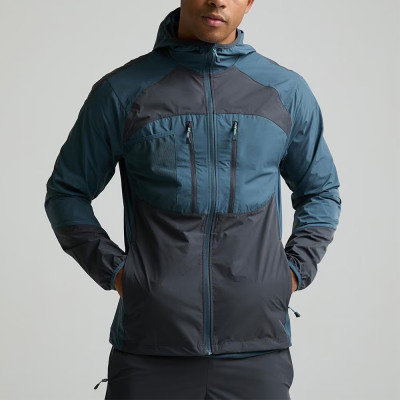
What is the best fabric for high-performance activewear?
The best activewear fabric is the one that meets the garment's agreed fit, movement, comfort and durability requirements; no single fiber blend or GSM is best for every product.
Selecting the right fabric is critical for high-performance activewear, as it affects comfort, durability, and athletic performance. MontForge evaluates and recommends fabrics based on multiple criteria:
-
1.Polyester-Spandex Blends:
-
Offers stretch and recovery, allowing full range of motion.
-
Lightweight and durable, suitable for sports, yoga, and running.
-
-
2.Moisture-Wicking Fabrics:
-
Moves sweat away from the skin to keep the wearer dry.
-
Reduces discomfort during high-intensity activity.
-
-
3.Breathable Textiles:
-
Enhances airflow, temperature regulation, and overall comfort.
-
Prevents overheating and promotes long-lasting wear.
-
-
4.Compression Fabrics:
-
Provides close fit and stretch; evaluate comfort and recovery for the intended activity.
-
Ideal for professional athletes and fitness enthusiasts.
-
-
5.UV Protection & Lightweight Fabrics:
-
Some fabrics are engineered for UV resistance for outdoor sportswear.
-
Lightweight fabrics allow layering without bulk.
-
-
6.Sustainability & Safety:
-
Check the scope and validity of any material certificate against the exact fabric reference.
-
Environmentally responsible options are available for brands with sustainable goals.
-
MontForge works with clients to select fabrics that balance performance, aesthetics, durability, and compliance with international B2B standards. Proper fabric selection ensures end-users experience comfort, protection, and professional-quality sportswear.
Relevant Keywords: high-performance activewear fabric, moisture-wicking sportswear, OEM athletic apparel
Does higher GSM automatically mean better activewear fabric?
No. GSM describes fabric mass per unit area, not an overall quality grade. Compare construction, composition, stretch recovery, opacity, hand feel and performance after the intended care procedure. Choose weight for the garment and activity; a heavier fabric may change drape and warmth without improving the properties your product needs.
How does fabric GSM affect a garment quotation?
Fabric weight can change material consumption by mass, but GSM alone cannot determine garment price. Compare usable width, pattern yield, composition, construction, finishing and material pricing units. Ask suppliers to quote the same finished-garment specification and identify the material assumptions rather than comparing only a GSM number.
Review related sportswear development and production services