Outdoor Light Outerwear for Trail and Running Brands
For trail and running brands, a light outer layer has to work in two states: on the runner and packed away. A useful brief for custom outdoor light outerwear balances weather resistance, comfort, storage and the details a customer can operate while moving. The goal is a defined product role supported by a coherent shell, pattern and trim system.
Develop Your Trail and Running Layer
Share the intended activity, layering system and weight priorities to discuss a light jacket development brief.
Define the Run Before Selecting the Jacket
“Outdoor light outerwear” covers very different products. A jacket carried for a breezy morning run has a different role from a shell intended for sustained rain or exposed mountain conditions. State where, when and how the garment is expected to be worn before setting a weight target.
For a brand brief, record the intended activity, climate, run duration, base layer and whether the customer wears a running vest or pack. Also decide whether the jacket is primarily worn throughout the activity or carried until conditions change. That distinction affects pockets, opening design and storage.
Use the windbreaker and light jacket product range to compare construction directions. Then write the intended role in plain language, such as a compact wind layer for recreational trail running. Avoid a vague promise that one very light jacket can cover every outdoor use.
Separate Wind Protection, Water Repellency and Rain Protection
A woven wind shell can be useful in moving air without being a waterproof rain garment. A durable water-repellent finish helps manage surface wetting; it does not by itself establish waterproofness. Keep the material description separate from the finished garment claim.
Patagonia describes its Houdini windbreaker as a lightweight ripstop shell with a DWR finish intended to resist light moisture. That is a useful example of a specific use description rather than a general rainwear promise. Your own claim needs evidence for your own fabric and construction.
When the brief calls for sustained rain protection, compare the required system with the hardshell jacket category: fabric, seams, closures, hood and openings all matter. If a product is marketed for a particular organised event, check that event’s current equipment requirements before using an acceptance claim. A generic “trail jacket” label does not establish suitability.
Set a Finished-Garment Weight Budget
Fabric GSM is one input, not the weight of the jacket. Zippers, pockets, lining, elastic, cord locks and decoration all contribute. Name a reference size and agree how the complete garment will be weighed, including the storage pouch if it is part of the product.
| Design choice | Why it may earn its weight | Question to resolve |
|---|---|---|
| Full front zip | Easy on/off and a large adjustable opening | Can the wearer operate it comfortably while moving? |
| Extra pocket | Secure storage for a defined item | Does it duplicate storage already provided by a running vest? |
| Hood adjustment | A more controlled fit around the head | Is the hardware stable and comfortable during movement? |
| Lining or mesh panel | A particular interior feel or vent construction | Does the benefit justify the added material and bulk? |
Weigh successive samples to understand changes, but assess them as complete products. Removing a useful adjustment simply to reach a marketing number can create a jacket that is lighter on a scale and less practical on a run.
Treat Packability as a Repeatable User Task
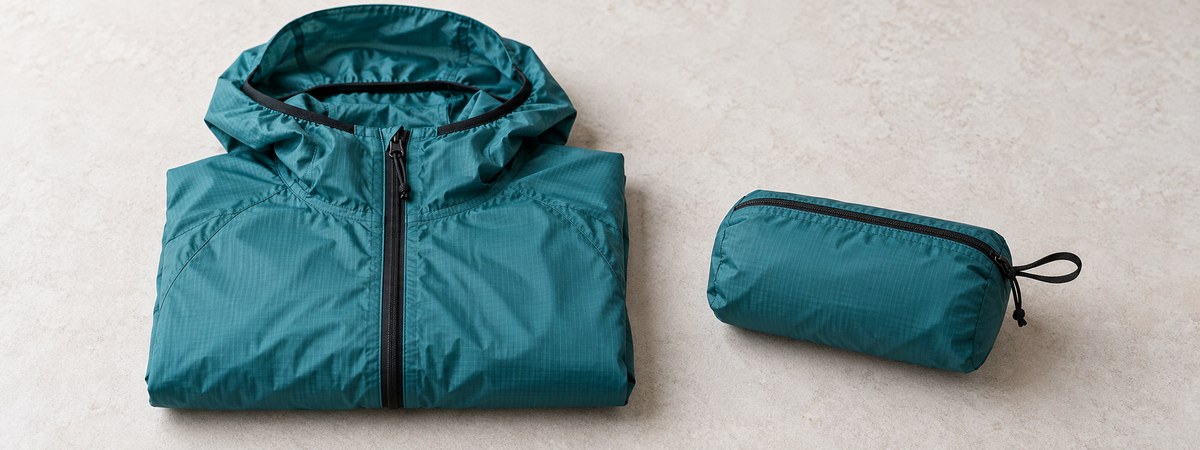
Define where the jacket packs: its own pocket, a collar compartment or a separate pouch. Then specify the opening, closure, packed dimensions and the method used to measure them. A product that compresses tightly for a photograph may still be awkward to pack with cold or hurried hands.
Ask several users to pack and unpack the sample without instructions. Check that the zip can be operated when the pocket is reversed and that seams are not being strained. Repeat the check with a larger garment size, because the storage solution must accommodate the size range.
Patagonia’s Houdini provides a published example of a chest pocket that converts into a stuffsack. Use that as a reference for the type of function, not as a packed-size specification to copy. Decide how your own customer carries the packed jacket and whether the pouch shape fits that space.
Balance Shell Airflow With Mechanical Ventilation
Comfort in motion depends on more than a fabric description. Air permeability, fit, openings, vents and the underlying layer all influence how the jacket feels. Ask the material supplier for relevant results and compare them using the same test method and conditions.
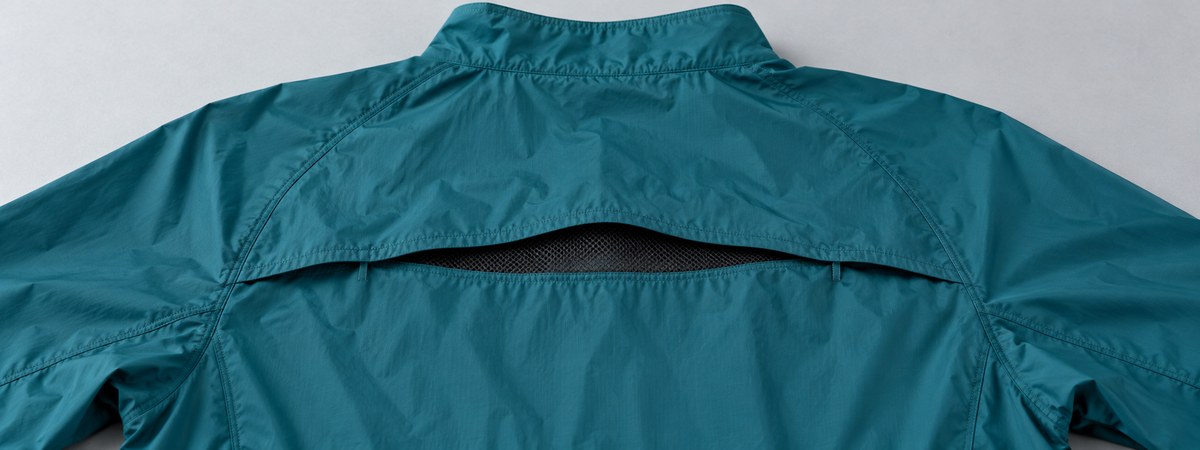
Mechanical ventilation adds another design tool. A front zip can be opened; overlapping slits, a back yoke or underarm openings can provide additional routes for airflow. Patagonia’s Houdini Stash product description, for example, identifies chest and back slit vents. It is one design approach, not evidence that any vent delivers the same result.
Test the proposed layout in the intended use. A running vest may cover an upper-back vent; a flap may lift or rub; an opening may admit weather from a particular direction. Check the interior finish, mesh stability and appearance after care before approving the construction.
Place Reflective Details Where They Remain Exposed
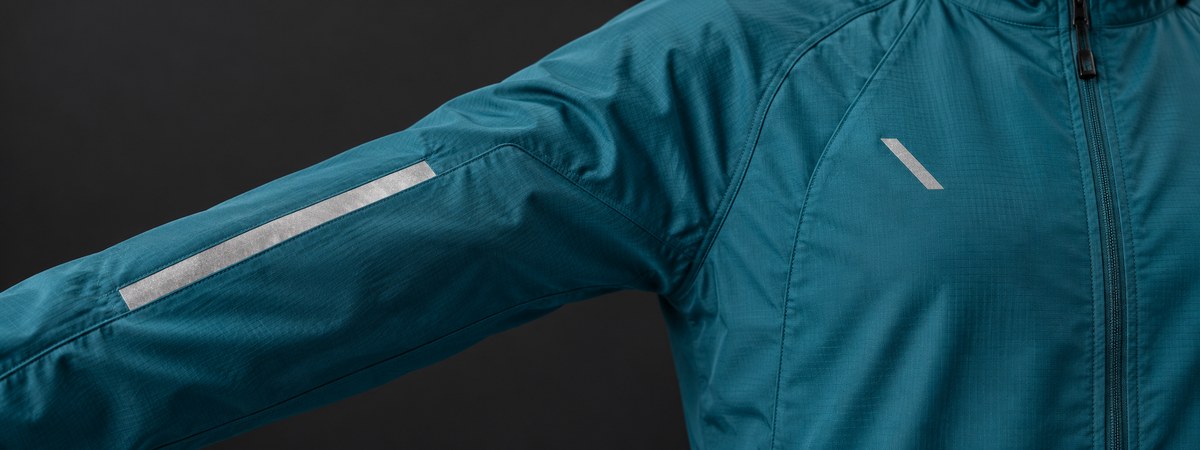
Reflective trim should be treated as a specified component with a clear purpose. Retroreflective material returns light towards its source; 3M explains that it appears brightest to an observer near that source. It is not the same as a material that emits its own light.
Map placements on the front, sides, sleeves and back according to the intended viewing directions. Then check the jacket with the running vest or pack expected in use. A large reflective mark hidden beneath equipment contributes little in that position.
Record the material reference, dimensions, position and application method. Verify compatibility with the shell and review adhesion or stitching after the agreed care process. Reflective accents alone do not establish a certified visibility garment or guarantee detection. Keep any public claim aligned with evidence for the actual product and application.
Refine Your Vent and Reflective Layout
Bring your running-vest setup and proposed placements into the sample review.
Approve Fit in Motion With the Intended Layers
A trail-running fit needs room for natural arm movement without uncontrolled fabric flapping. Test the jacket with the intended base layer, then review the shoulder, armhole, sleeve length and body length together. A close fit should not depend on the zipper pulling the front taut.
Run easily, reach forward, turn the head and raise the arms. Check collar contact, hood movement and hem ride-up. If the customer will wear a vest, test the intended arrangement—over or under the jacket—rather than assume both work equally well.
Approve representative sizes towards each end of the planned range. Pocket access, hood adjustment and packed volume can change with size. Use recorded measurements and wearer feedback together, and define the approved shape rather than rely on “athletic fit” as a complete instruction.

Choose Colour and Trims for a Coherent Range
Colour is both a merchandising decision and a way to distinguish the product. Approve shell, zipper tape, elastic and decoration together under agreed lighting. A colour name shared by two suppliers does not guarantee a match.
Assess opacity, contrast between panels and how the shell looks over different base layers. A pale lightweight fabric may behave differently from a dark one. If colour changes the appearance or process, review the relevant samples rather than approving only a single launch colour.
Keep the trim package controlled. Test pullers with the intended grip, check drawcord ends and avoid hard components that bounce against the wearer. A simpler colour and trim system can make the first collection easier to develop consistently without removing its identity.
Make Branding Compatible With the Lightweight Shell
A decoration trial should use production-intent fabric with the final finish. Heat-applied graphics, reflective transfers and embroidery each interact differently with a thin woven shell. Approve the method, artwork size, position and the appearance after care before bulk application.
Keep artwork clear of functional openings and packable pockets. A chest graphic can overlap a vent; dense stitching can stiffen a light panel; a back placement can be hidden under a vest. Show these relationships on the technical flats.
If one mark is intended to perform both a branding and reflective role, specify the material and verify the resulting application. Do not assume a silver-looking print has the same optical behaviour as a selected retroreflective material.
Build a Sample Test Plan Around Real Decisions
Link the sample to the shell reference, trim card, measurement sheet and artwork version. Agree which checks are material tests, which are garment construction checks and which are wear evaluations. The garment production process should show when each approval is needed.
| Decision | What to record |
|---|---|
| Weight and storage | Reference size, complete weight, packed dimensions and packing method |
| Comfort and access | Layers, movement tasks, opening operation and pocket use |
| Ventilation | Vent position, pack coverage and relevant fabric information |
| Reflective application | Material reference, exposed placements and care performance |
| Weather claims | Agreed test methods, conditions and evidence relevant to each claim |
Use the review to resolve specific choices. If a pocket bounces, decide whether to change its position, loading brief or construction. Keep subjective impressions alongside objective measurements so the next sample has a clear purpose.
Finish the Jacket for Retail and Repeat Orders
A retail-ready finish includes more than a folded jacket. Confirm labels, care instructions, size identification, artwork, hangtag claims, packaging and the approved folding or packing method. Check that the customer can understand the pocket-to-pouch function if that is part of the product.
Align product-page language with the final specification. Publish garment weight with its reference size, describe the intended weather role accurately and explain the relevant features without unsupported superlatives. Keep the approved material and trim references for future reorders.
For a sourcing discussion, send the brief, size range, colour allocation and intended launch timing to the MontForge light outerwear manufacturing team. Review available directions in the custom light jacket collection, then confirm your own material, sampling and commercial requirements in writing. The light jacket tech pack guide provides a practical handoff structure.
Frequently Asked Questions
Is the lightest shell always best for running?
No. Compare weight with fit, protection, comfort, storage and durability requirements. Set priorities for the intended use and assess complete samples.
Can a wind jacket replace a waterproof shell?
Do not assume so. A wind layer with water repellency is a different proposition from a garment supported by waterproof construction and evidence.
How should packed size be measured?
Agree a repeatable packing method, reference size and measurement approach. Check that the wearer can reproduce the result without forcing the closure.
Does a vent guarantee breathability?
No. Its usefulness depends on placement, construction, activity and what covers it. Evaluate the complete jacket and relevant material information.
Will reflective details glow in the dark?
Retroreflective material returns incoming light towards its source. That is different from emitting light. Describe the selected material accurately.
What should a brand send before requesting samples?
Provide intended use, layers, technical flats, material direction, target weight and packed size, reflective and branding placements, and quantities by colour and size.
Ready to Build Your Light Outerwear Collection?
Send your technical brief, target weight, reflective placements and colour quantities to discuss sampling and a project quotation.
Sources
- Patagonia: Houdini windbreaker shell, light-moisture description and pocket storage.
- Patagonia: Houdini Stash vent and pocket construction.
- 3M: how retroreflection works.
- MontForge: light outerwear manufacturing and development options.
Sources checked 20 October 2026.