Heritage Sportswear Warm-Up Suits: Nylon, Snap and Vintage Feel
The heritage warm-up suit is having a second life. The same snap-front, crinkle-nylon shell that once lived in gym lockers and on team benches is now walking the streets of Milan, Copenhagen and New York, worn as a considered layer rather than as athletic kit. The draw is specificity: a boxy, slightly stiff silhouette with institutional lettering reads as effortless in a way mass-produced sportswear can't. This guide covers nylon fabric choice, snap-front construction, loose versus relaxed fit, wash and hand-feel, and brand positioning.
Nylon Fabric Choice: Crinkle, Taslan and Satin
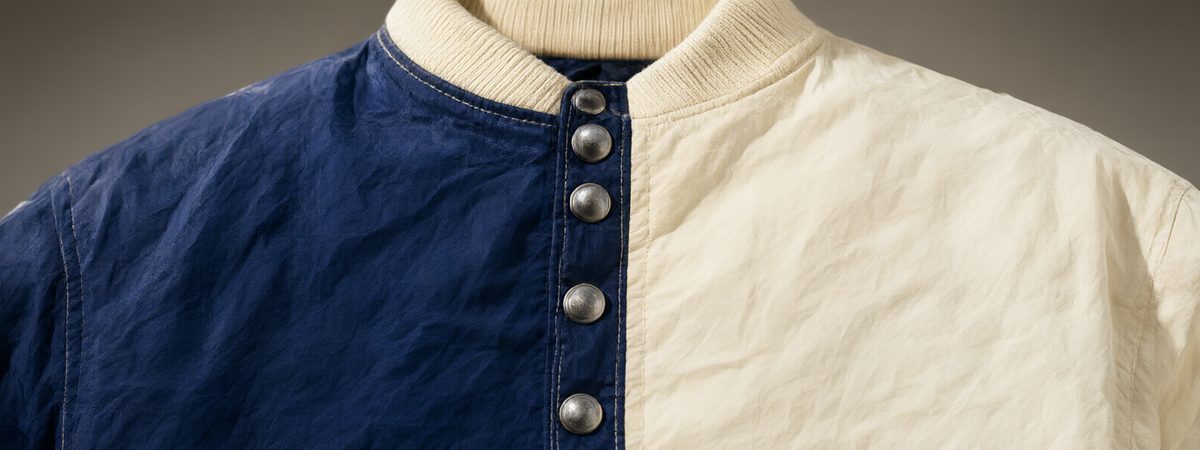
The defining material of the heritage warm-up is nylon, and the finish decides the whole feel. Crinkle nylon — a lightweight shell with a textured, wrinkled surface — is the current standard, often blended with a touch of elastane for give; lululemon's Crinkle Nylon Track Jacket, for example, uses a 90% nylon / 10% elastane body with a lightweight water-repellent finish. Taslan nylon goes further: the yarn is woven then given a "washer" crinkle treatment so 100% nylon takes on a cotton-like softness and a pre-worn character, per Japanese sportswear supplier United Athle. A third lane is satin, the lustrous Japanese poly-satin used on vintage souvenir and tour jackets, which holds its shape and catches the light. Choose crinkle or taslan for a matte, lived-in look and satin for a shinier, more collectible piece.
Snap-Front Construction: The Heritage Signature
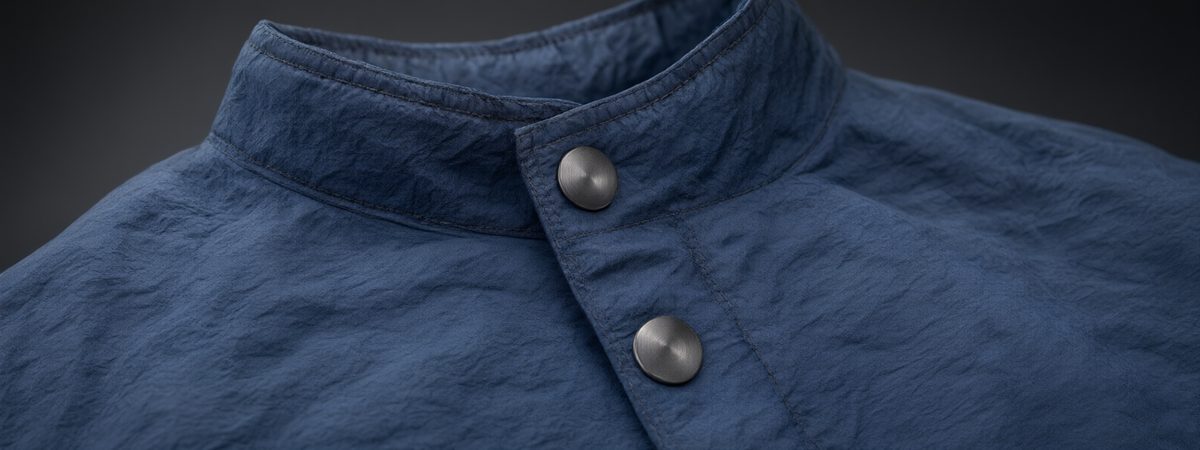
The snap front is what separates a warm-up jacket from a windbreaker. A full snap-front placket with a stand collar gives a clean, athletic line and makes layering easy — the exact construction Mitchell & Ness uses on its NBA Authentic warm-up jackets, which pair a 100% nylon shell with a mesh lining and finish with 1×1 rib trim on the collar, sleeves and waistband. The rib is functional, not decorative: it holds the silhouette so the jacket doesn't sag after repeated wear. For the vintage cue, spec a felt ID tag or a small chest crest instead of a loud back print, and keep the snaps metal rather than plastic for a weightier, more period-correct hand.
Loose vs Relaxed Fit: Reading the Silhouette
The heritage warm-up runs two fits, and the difference is in the shoulder and hem. A relaxed fit skims the body — a loose fit with a little extra room, cut to sit clean at the waist — which is how lululemon and Fanatics cut their current warm-up jackets. A loose or boxy fit drops the shoulder and crops the hem, the retro silhouette that works over wide-leg trousers and under a heavier coat. On the 2026 read, heritage sportswear is trending less baggy and more structured — reinterpreting 70s, 80s and 90s athletic cuts with contemporary fabrics and cleaner proportions, per the early-2026 street-style forecast. The safest brief is a relaxed body with a slightly dropped shoulder, which reads vintage without swamping the wearer. For the broader silhouette decision, see our guide to slim European vs vintage American tracksuits.
Wash and Hand-Feel: Age It Without Destroying It
Part of the appeal is that nylon warm-ups age into character, but the wrong wash kills the finish. The care is straightforward: machine wash cold on a gentle cycle, turn inside out, do not bleach, do not tumble dry — hang dry, which is the standard instruction across crinkle-nylon track jackets. Avoid heat entirely, because the dryer both crushes the crinkle texture and risks melting a nylon shell. The reward is a jacket that keeps its crisp drape and only softens slightly with age — the "worn but not worn-out" hand-feel that makes vintage warm-ups read as genuine rather than distressed. On the graphic and finish half of a retro drop, see our guide to streetwear tracksuit drops.

Brand Positioning: Institutional Over Commercial
The heritage warm-up's branding logic is the opposite of a modern logo drop: institutional reads as authentic. A chest wordmark in a varsity font, a back number, or a fictional team name — "Westfield Aquatics" rather than a brand mark — carries the energy of a graphic tee with a cleaner profile, and reads as found art rather than advertising. Big brands are leaning into exactly this: PUMA's T7 tracksuit channels vintage football warm-up uniforms through subtle pinstripes and embroidered crests, and the wider swim-team jacket revival is built on unbranded or house-lettered silhouettes in deadstock nylon. Position your line as a fictional team identity — a crest, a year, a regional name — and the set sells the story instead of the logo.
A Heritage Warm-Up Checklist
- Pick the nylon finish first: crinkle or taslan for a matte, lived-in look; satin for a shinier collectible.
- Spec a full snap-front placket with a stand collar, mesh lining and 1×1 rib trim.
- Use metal snaps, a felt ID tag and a small chest crest over a loud back print.
- Cut a relaxed body with a slightly dropped shoulder — vintage without swamping the wearer.
- Wash cold, turn inside out, and hang dry; never tumble a nylon shell.
- Brand with a fictional team identity — a crest, year and regional name — not a logo.
Frequently Asked Questions
What nylon finish should I choose for a warm-up suit?
Crinkle or taslan nylon gives a matte, lived-in look and a soft, pre-worn hand-feel, while satin gives a shinier, more collectible finish. Pick based on whether the set reads vintage-athletic or souvenir-collectible.
What makes a snap-front jacket different from a windbreaker?
The full snap-front placket with a stand collar and 1×1 rib trim — a clean athletic line that layers easily, finished with metal snaps and often a felt ID tag for the vintage cue.
How do I keep a nylon warm-up from melting or crushing?
Machine wash cold on a gentle cycle, turn inside out, do not bleach, and hang dry. Never tumble dry, because heat crushes the crinkle texture and risks melting the shell.
Should a heritage warm-up be loose or relaxed fit?
In 2026 the trend is less baggy and more structured — a relaxed body with a slightly dropped shoulder reads vintage without swamping, while a boxy cropped fit leans more retro.
How do I brand a warm-up without a loud logo?
Use a fictional team identity — a chest wordmark in varsity font, a back number, a crest and a regional name. Institutional branding reads as authentic where a commercial logo reads as advertising.
One shell, one snap, one vintage story. Explore MontForge custom warm-up suits or send us your brief — crinkle or taslan nylon, snap-front construction, a relaxed heritage fit and a fictional-team brand system.
Sources
The specifications and market references in this guide draw on the following published sources:
- Nylon finish and care — crinkle nylon construction (90% nylon / 10% elastane body, machine wash cold / line dry / do not bleach): lululemon Crinkle Nylon Track Jacket Wordmark — lululemon.com; plus wash instructions from Legacy29 (The Legacy29 On Track Jacket).
- Snap-front construction and rib trim — 100% nylon shell, mesh lining, 1×1 rib trim on collar/sleeves/waistband, felt ID tag: Mitchell & Ness NBA Authentic Warm-Up Jacket — citywidefashions.com.
- Satin warm-up and boxy cropped fit — Fanatics Yankees Iconic Full-Snap Satin Warm-Up (100% Japanese poly-satin, boxy cropped relaxed fit).
- 2026 heritage sportswear and swim-team jacket revival — News Fashion Trends (street-style micro-trends forecast) and Fashion Taps (swim team warm-up jacket trend).
- Vintage warm-up branding via pinstripes and embroidered crests — PUMA Media Hub (PUMA x le Père collection).