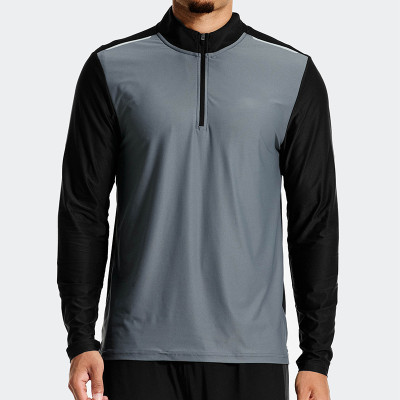
Why Low MOQ Sportswear Manufacturing Is a Game-Changer for Emerging Brands
For years, the sportswear manufacturing industry has operated on a simple principle: the bigger your order, the better your deal. Emerging activewear brands with limited capital and untested markets were often locked out of the game before they could even start. That landscape is shifting. Low MOQ sportswear manufacturing is reshaping how new brands enter the market—offering flexibility, quality, and speed that were previously reserved for industry giants. This article breaks down how minimum order quantity flexibility is transforming the sportswear supply chain and why it matters for your brand right now.
What Is Low MOQ Sportswear Manufacturing?
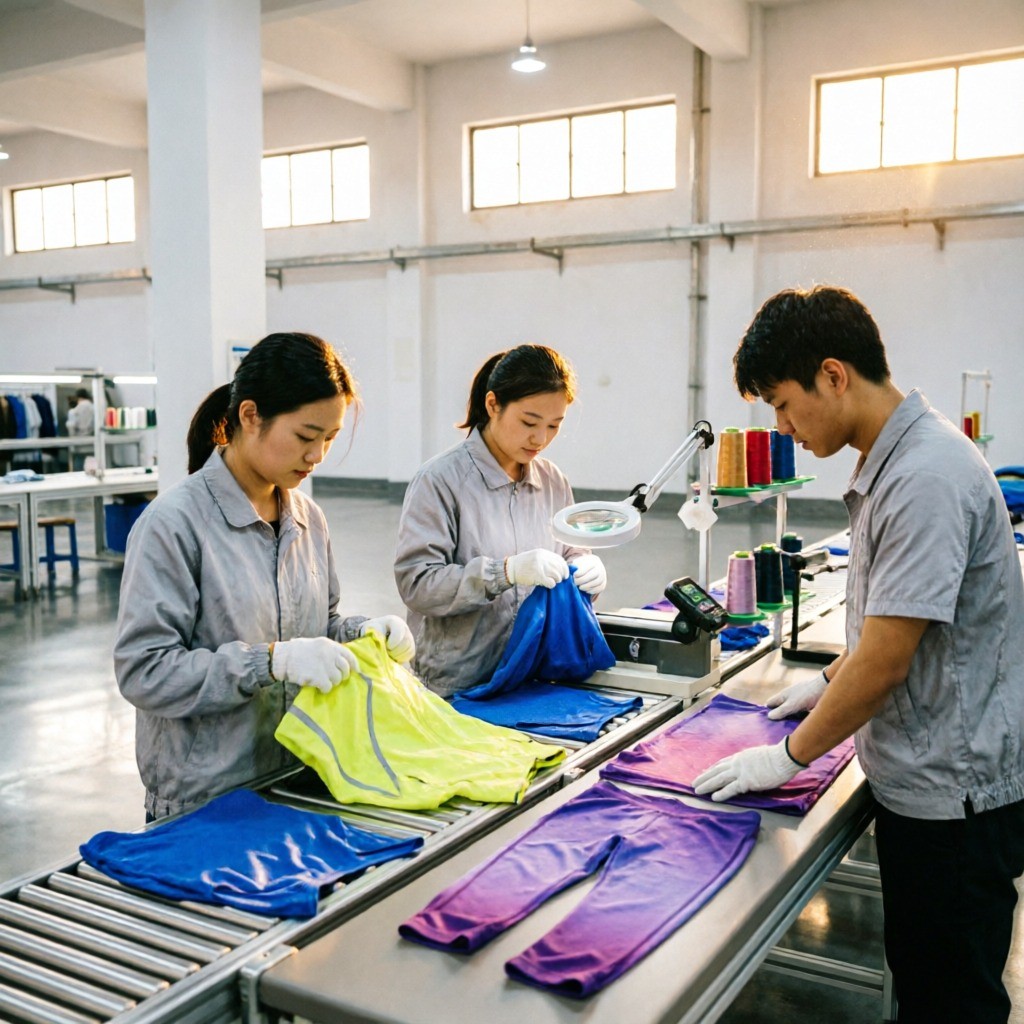
Low MOQ (Minimum Order Quantity) sportswear manufacturing refers to production partnerships that accept orders well below the traditional industry thresholds—often starting at 50 to 200 pieces per style instead of the conventional 500 to 3,000 units. This model is built for flexibility, allowing an emerging activewear brand to test designs, iterate on feedback, and scale gradually without overcommitting capital.
At its core, low MOQ manufacturing means the factory adjusts its production planning, material sourcing, and workflow to accommodate smaller batches. It requires a different operational mindset—one that prioritizes agility over volume. For a custom sportswear startup, this difference can be the line between launching successfully and never getting off the ground.
Explore MontForge sportswear manufacturing capabilities
The Traditional MOQ Barrier for Emerging Brands
Historically, large-scale factories optimized their entire operation around high-volume runs. Cutting patterns, sourcing fabric rolls, setting up production lines, and scheduling quality checks all assumed thousands of units per style. An emerging activewear brand approaching a conventional factory with a request for 100 pieces would often be turned away or quoted prices that made the project financially unviable.
This barrier created a broken funnel: new brands had to either gamble on large inventory they could not guarantee selling, or compromise on quality by working with unverified small workshops. Neither path was sustainable. The industry needed a middle ground—and low MOQ sportswear manufacturing has become exactly that.
Learn how MontForge bridges the gap for emerging brands

Why MOQ Flexibility Matters More Than Ever
The activewear market has fragmented. Direct-to-consumer models, influencer-led brands, and niche fitness communities have created demand for highly specific products that do not need to sell in tens of thousands of units to be profitable. A private label small order approach allows brands to serve micro-segments—whether it is yoga apparel for tall women, compression gear for CrossFit enthusiasts, or sustainable running shorts for eco-conscious athletes.
Consumer expectations have also evolved. Shoppers want newness. They want limited drops, seasonal collections, and exclusive collaborations. Brands that can produce small batches more frequently capture attention and build loyalty in ways that mass-production brands cannot match. Low MOQ manufacturing makes this rapid iteration cycle possible.
Read more insights on activewear market trends
How Low MOQ Production Works in Practice
A well-structured low MOQ sportswear production process does not simply shrink a large factory workflow. It restructures it entirely. Here is how the typical process flows for an emerging activewear brand:
Design and Tech Pack Submission
The brand submits detailed tech packs, including sketches, measurements, fabric preferences, and construction notes. Clear documentation reduces sampling rounds and speeds up the process.
Fabric Sourcing and Approval
The manufacturer sources fabrics matching the brand's specifications. For low MOQ orders, stock fabrics and deadstock options are often prioritized to keep costs manageable without compromising quality.
Sampling and Fit Approval
One to two rounds of sampling ensure the fit, construction, and materials meet expectations. Digital fit approvals and detailed photo reviews can reduce the need for physical shipping.
Small-Batch Production
Production runs are scheduled in dedicated small-batch lines. Skilled workers handle each piece with care, operating with the same quality standards applied to larger orders.
Quality Inspection and Shipping
Each piece undergoes inspection before packing. Small batches mean 100% inspection is feasible, rather than the statistical sampling methods used in mass production.
Start your low MOQ production inquiry today
Quality Control in Small-Batch Sportswear Production
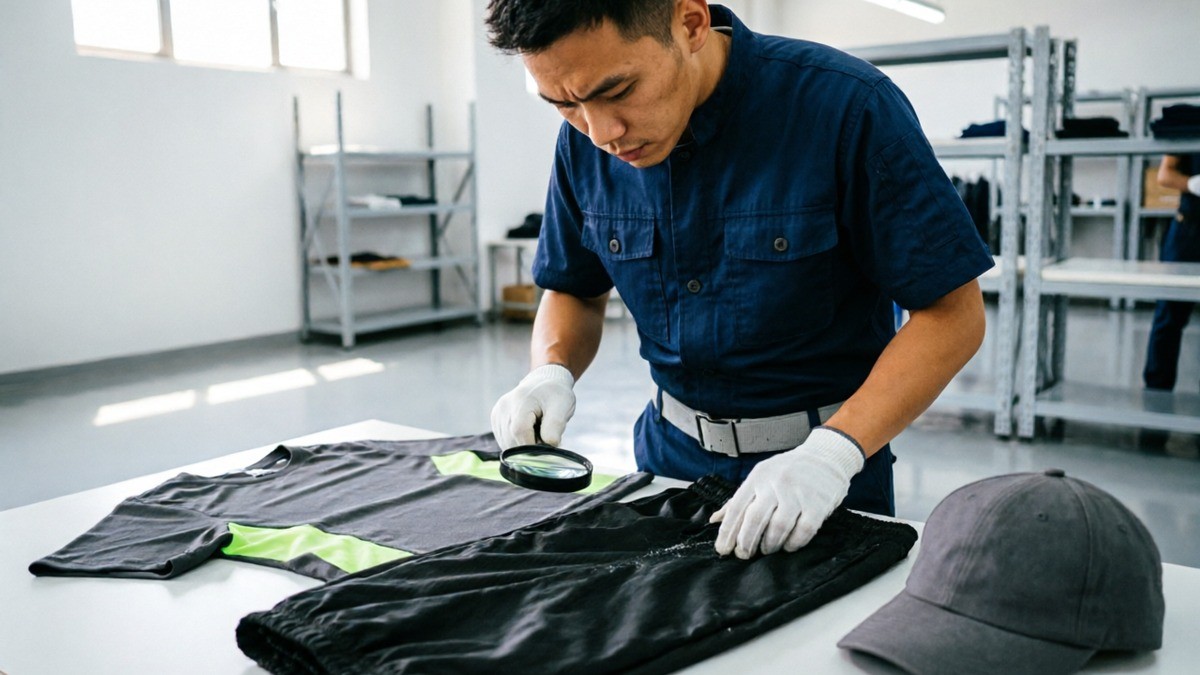
One of the biggest misconceptions about low MOQ sportswear production is that it sacrifices quality. In practice, the opposite can be true. When a factory produces 10,000 units of a single style, quality control relies on statistical sampling—inspecting perhaps 200 pieces and extrapolating the results. With a 100-piece production run, it is entirely feasible to inspect every single garment.
Key quality checkpoints in small-batch sportswear manufacturing include fabric inspection before cutting, in-line checks during sewing, measurement verification against the tech pack, seam strength testing, and final appearance review. A custom sportswear startup that partners with a manufacturer committed to these standards can deliver products that compete with—and often exceed—the quality of mass-market alternatives.
View MontForge quality standards and product range
Cost Efficiency Without Sacrificing Quality
The economics of low MOQ sportswear manufacturing are often misunderstood. Yes, the per-unit cost is higher than ordering 5,000 pieces. But the total financial picture tells a different story. An emerging activewear brand ordering 5,000 units they cannot sell fast enough faces warehousing costs, cash flow strain, and the risk of dead stock—all of which can far exceed the per-unit premium of a smaller order.
Smart low MOQ manufacturers optimize costs through several strategies: using stock fabrics instead of custom-developed textiles, grouping multiple small orders into shared production schedules, standardizing certain construction techniques across clients, and leveraging existing trim and accessory inventories. These approaches bring the per-unit cost of a 100-piece order significantly closer to mid-volume pricing without cutting corners.
Discuss your budget with MontForge production specialists
Customization and Brand Identity at Small Scale
A private label small order model gives emerging brands control over their identity in ways that white-label or off-the-shelf sourcing never can. From custom woven labels and hang tags to unique color-blocking, seam detailing, and packaging design, every element can reflect the brand's story.
This level of customization was historically reserved for brands placing orders in the thousands. Today, manufacturers that specialize in low MOQ sportswear production have invested in digital printing, laser cutting, and flexible finishing capabilities that make customization viable even at 50 to 100 pieces per style. The result is a product that feels premium and branded from day one, helping the brand build recognition and trust faster.
Explore custom sportswear options at MontForge
Speed to Market: The Low MOQ Advantage
Speed has become one of the most valuable currencies in fashion and activewear. A brand that can go from concept to customer in 6 to 8 weeks has a massive advantage over competitors locked into 6-month production cycles. Low MOQ sportswear manufacturers are built for speed—shorter production runs mean faster line changeovers, quicker quality checks, and more frequent shipping windows.
This speed enables emerging brands to respond to trends in real time. If a particular color or silhouette gains traction on social media, a brand working with a flexible low MOQ partner can have inventory ready before the trend peaks—rather than arriving months late with a warehouse full of yesterday's style.
Read about activewear trend cycles and production timelines
Sustainability and Waste Reduction
The environmental case for low MOQ sportswear manufacturing is compelling. Mass production inevitably creates waste—overproduction, unsold inventory, fabric offcuts at scale. The fashion industry discards an estimated 92 million tons of textile waste annually, and a significant portion comes from brands producing more than they can sell.
Small-batch production aligns naturally with sustainable practices. Brands produce what they need, test what works, and scale what sells. Dead stock is minimized. Fabrics can be sourced more responsibly because smaller quantities are easier to procure from sustainable suppliers. For an emerging activewear brand with a sustainability mission, low MOQ manufacturing is not just a practical choice—it is an ethical one.
Learn about MontForge sustainability commitments
Private Label vs. White Label: Choosing Your Path
Understanding the difference between private label and white label is crucial for any custom sportswear startup. White-label products are pre-made designs that you apply your branding to—fast and simple, but with zero design control. Private label manufacturing, especially under a low MOQ model, allows you to create original designs, specify fabrics, choose colors, and build a unique product from scratch.
White Label
- Pre-designed, off-the-shelf products
- Brand logo applied to existing garments
- Faster turnaround (2-4 weeks)
- Lower initial investment
- Limited differentiation from competitors
Private Label
- Original designs from your tech pack
- Full control over fabric, fit, and finish
- Longer timeline (6-10 weeks)
- Moderate investment with low MOQ options
- Strong brand identity and customer loyalty
For brands aiming to build lasting equity, private label small order manufacturing offers the best of both worlds: creative control and manageable scale.
Compare MontForge private label and custom solutions
Sourcing Partners: What to Look For in a Low MOQ Manufacturer
Selecting the right low MOQ sportswear manufacturing partner is the single most consequential decision an emerging activewear brand will make. Here are the essential criteria to evaluate:
Proven Low MOQ Track Record
Look for manufacturers who publicly communicate their minimums and have case studies or testimonials from brands at your scale. A factory that claims to accept small orders but has only ever produced for large retailers is a red flag.
Technical Expertise in Activewear
Sportswear requires specific construction knowledge—moisture-wicking seams, four-way stretch handling, compression panel integration, and performance testing. Your manufacturer should demonstrate deep familiarity with these technical requirements.
Transparent Communication
Clear timelines, honest pricing, and responsive communication in your language are non-negotiable. A dedicated account manager who understands your brand vision makes a measurable difference in production outcomes.
Certifications and Compliance
Relevant certifications such as ISO 9001 for quality management, BSCI for social compliance, and OEKO-TEX for material safety indicate a manufacturer that operates at a professional standard suitable for Western markets.
Discover MontForge certifications and factory standards
Common Mistakes Emerging Brands Make with MOQ
Even with access to low MOQ sportswear manufacturing, emerging brands can stumble. Here are the most frequent missteps and how to avoid them:
Skipping the Tech Pack
Some founders try to save time by sending reference photos instead of a proper tech pack. This leads to miscommunication, inaccurate sampling, and costly rework. Invest in a detailed tech pack—even a basic one—before approaching any manufacturer.
Overcomplicating the First Order
Launching with 12 styles across 4 colorways each defeats the purpose of low MOQ. Start with 3 to 5 core styles in 2 to 3 colors. Validate demand, then expand. The minimum order quantity advantage is flexibility—use it.
Ignoring Shipping and Duties
International production means factoring in freight, customs duties, and last-mile delivery. A $15 landed cost per unit can become $25 after logistics if these are not planned from the start. Build a complete cost model before committing.
Choosing Price Over Partnership
The cheapest quote rarely delivers the best outcome. A manufacturer that invests in understanding your brand, communicates proactively, and treats your 100-piece order with the same seriousness as a 10,000-piece order is worth a moderate premium.
Get a transparent quote for your production needs
How MontForge Supports Low MOQ Sportswear Production
MontForge has built its production model around the needs of emerging and mid-size activewear brands. With a flexible minimum order quantity starting at just 50 pieces per style per color, dedicated small-batch production lines, and an in-house design support team, MontForge bridges the gap between startup ambitions and factory-floor reality.
Our production process integrates fabric sourcing, pattern development, sampling, manufacturing, quality control, and logistics under one roof. This vertical integration reduces handoff delays and ensures consistent quality across every stage. For an emerging activewear brand, this means a single point of contact, predictable timelines, and a partner that grows with you—not one that outgrows you after your first successful season.
See MontForge production capabilities in detail
How to Calculate Your Optimal MOQ
Determining the right order quantity for your brand requires balancing multiple factors. Here is a practical framework:
Budget
Calculate your total production budget including samples, production, and shipping. Divide by your target landed cost per unit. This gives your maximum producible quantity.
Demand Forecast
Use pre-launch data: email list size, social media engagement, waitlist signups. A reasonable first-order quantity is typically your conservative demand estimate minus 20%.
Inventory Strategy
Decide whether you want a sell-out launch (order slightly below expected demand) or stock continuity (order at expected demand plus buffer). Low MOQ partners let you change this strategy season by season.
Speak with MontForge about your ideal order quantity
The Future of Small-Batch Sportswear Manufacturing
The trajectory is clear: low MOQ sportswear manufacturing is not a temporary accommodation for small brands. It is the direction the entire industry is heading. Advances in digital printing, automated cutting, on-demand fabric production, and AI-driven production planning are steadily lowering the cost of small-batch production. As these technologies mature, the gap between low MOQ and mass-production per-unit costs will continue to narrow.
For an emerging activewear brand, the strategic implication is straightforward: the brands that thrive in the coming decade will be those that master the art of producing less, more often—testing, learning, and iterating faster than their competition. Low MOQ is not just a manufacturing option. It is a competitive strategy.
Stay updated on sportswear manufacturing innovations
Frequently Asked Questions About Low MOQ Sportswear
What is the typical minimum order quantity for sportswear manufacturing?
Traditional manufacturers often require 500 to 3,000 pieces per style per color. Low MOQ sportswear specialists like MontForge accept orders starting at 50 pieces per style per color, making production accessible to emerging and mid-size brands without forcing excessive inventory commitments.
Does low MOQ production cost significantly more per unit?
Per-unit costs for low MOQ orders are moderately higher than high-volume runs—typically 20% to 40% more depending on the complexity. However, when you factor in reduced warehousing costs, lower inventory risk, and no dead-stock losses, the total cost of ownership is often lower for emerging brands.
Can I get fully custom designs with a small order?
Yes. A private label small order with a manufacturer that supports low MOQ sportswear production includes full customization—your designs, your fabrics, your colors, your branding. You are not limited to templated products. The only requirement is a clear tech pack to guide production.
How long does low MOQ sportswear production take?
Typical timelines range from 6 to 10 weeks from tech pack approval to shipment, depending on fabric availability and design complexity. Sampling adds 2 to 3 weeks. MontForge's integrated production model often delivers on the shorter end of this range for standard activewear categories.
What types of sportswear can be produced with low MOQ?
Most activewear categories are well-suited to low MOQ manufacturing, including leggings, sports bras, training tops, compression wear, joggers, shorts, hoodies, and jackets. The key is working with a manufacturer that has specific experience in performance fabrics and activewear construction techniques.
How do I ensure quality when ordering small quantities?
Work with manufacturers that offer pre-production samples, provide detailed quality checklists, and allow third-party inspection. With small batches, 100% piece-by-piece inspection is practical and should be a standard part of the production agreement. Request photo and video documentation of the quality control process.