Where to Find Fully Custom Activewear Manufacturers
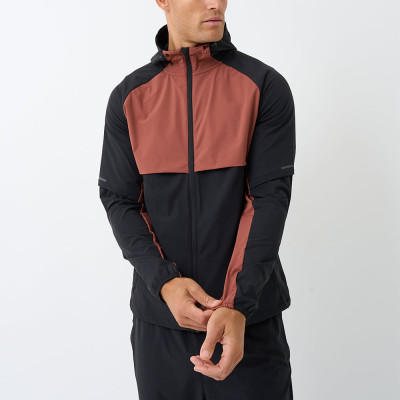
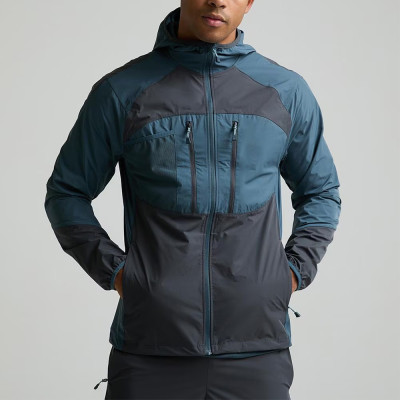
To find fully custom activewear manufacturers, look for a development partner that can translate your fabric, fit and construction requirements into an approved sample and repeatable production specifications. Use OEM and ODM service pages to identify the appropriate route, then verify the deliverables behind each offer. For a men's performance collection, MontForge's product and development pages provide a starting point for discussing training tops, panel details, branding and packaging. Confirm what can change, what must remain standard, and which decisions need approval before sampling or bulk production.
Fabric & fit
Identify materials, measurements and size-development scope.
Panels & construction
Translate design features into buildable sample instructions.
Branding & packaging
Approve artwork, labels and presentation for the actual garment.
What does fully custom activewear actually include?
Fully custom should describe an agreed development scope, rather than simply a logo added to an existing garment. Break the brief into five layers: material, fit, construction, branding and packaging. A supplier may support some layers while requiring standard components in others.
For a training T-shirt, changing the body length is different from changing a mesh panel or choosing a new fabric weight. Each affects a different part of development. Ask for a written response to every requested change so the word “custom” cannot hide an unresolved specification.
Where should you begin your manufacturer search?
Start with the product category and development service together. A general clothing directory can identify names, but a relevant product page helps you frame a more specific inquiry. Look for evidence that the supplier discusses patterns, materials, sample revisions and production approval in addition to decoration.
On this site, use the men's performance apparel range to identify the garment category, then review the OEM or ODM pathway. This connects the item you want to develop with the service discussion it needs.
Should you choose OEM, ODM or branding on an existing style?
Choose according to the decisions your brand needs to control. OEM is the route to discuss when your drawings, measurements and construction requirements lead development. ODM may suit a brief that can begin with an existing design and adapt it within agreed limits.
The table below compares sourcing routes, not ranked manufacturers. Minimums and timelines remain project-specific; request the actual material and style-color conditions rather than borrowing a number from another garment.
| Route | Positioning and strengths | Scope to confirm | MOQ, cost and timing | Best buyer fit and evidence |
|---|---|---|---|---|
| Existing style with branding | Established silhouette and limited changes | Logo, labels, permitted trims and stock availability | Confirm garment and decoration minimums, setup fees and allocation | Buyers testing identity; approve the decorated garment |
| ODM adaptation | Development from a supplier design base | Allowed fabric, fit and panel modifications | Confirm material minimums, revision fees and sample stages | Brands fitting an existing platform; retain the revised specification |
| OEM development | Buyer-led fit and construction | Pattern work, grading, sourcing and approval deliverables | Confirm development charges, style-color minimums and full schedule | Brands requiring their own product specification; inspect relevant samples |
How can a training-top brief reveal the real customization boundary?
Use one garment to test the supplier's answers before expanding the collection. MontForge's custom sports T-shirt service is a relevant starting point for discussing a training top. Ask separately about body fabric, ventilation panels, silhouette, artwork and retail labels.
Mark every feature as essential, flexible or open to proposal. For example, an essential mesh-panel position may constrain pattern development, while a flexible fabric color may allow a different sourcing option. Request an explanation of those dependencies rather than accepting a blanket “yes” to the whole design.
Which technical capabilities should you verify?
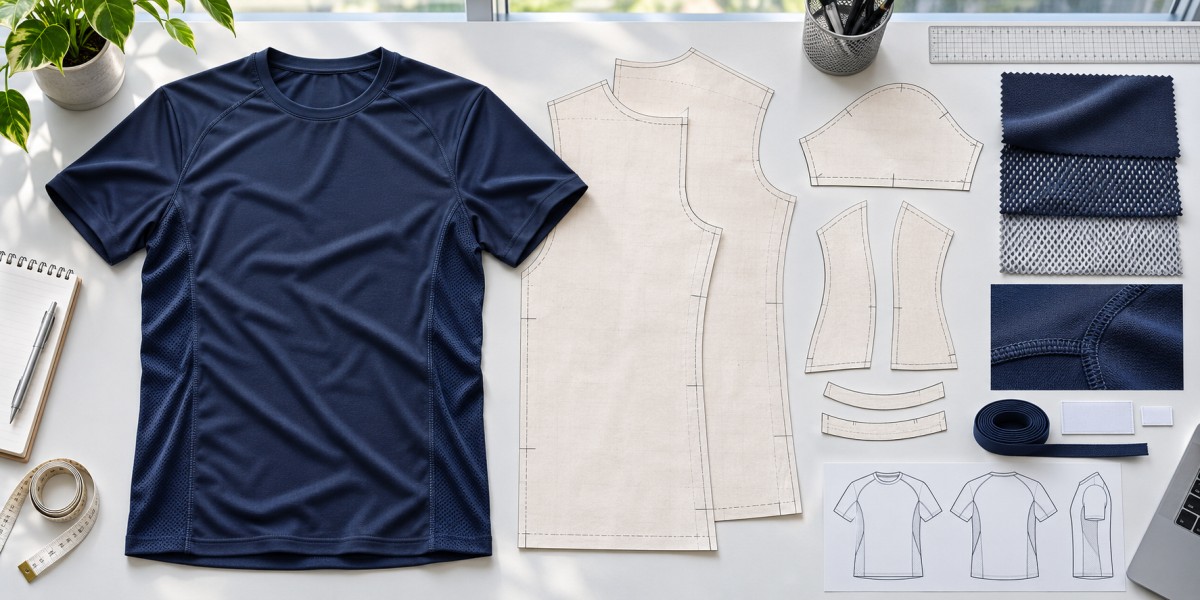
Ask who will prepare the pattern, which measurements the sample will follow and what grading work is included. Establish whether the proposed price covers one reference size or a broader size-development scope.
Request a relevant construction sample and review seam placement and adjoining materials. For compression styles, define fit and movement requirements without assuming medical effects or untested pressure ratings.
Can you start without a complete tech pack?
Yes, an initial conversation can begin with less. MontForge's published FAQ accepts reference images, sketches, an existing sample or a clear product description, together with market, quantity and timing information. That is an entry point to development, not permission to leave the production specification incomplete.
Create a short open-decisions list before the first sample. Identify missing measurements, material choices, construction details and artwork, then agree who resolves each item. Clarify whether grading, final packaging or decoration approval belongs to the current sample stage or a later milestone.
What belongs in a useful development brief?
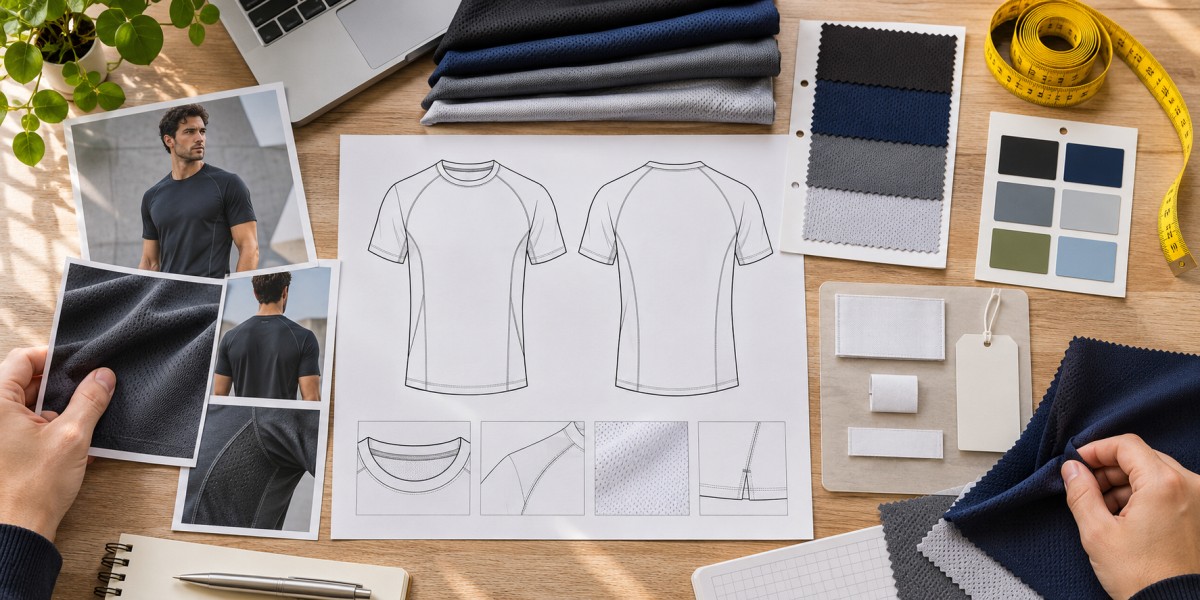
Describe the intended activity and customer before listing aesthetic preferences. Include front and back views, key dimensions, fabric references and artwork placement. Explain what you like about each reference image so different references do not silently contradict one another.
- Product category, intended use and target wearer.
- Required fit, size range and reference sample size.
- Fabric direction, panel layout and construction details.
- Artwork files, logo dimensions, labels and packaging needs.
- Quantities by style and color, destination and target arrival date.
- Essential features, acceptable alternatives and unresolved decisions.
How should you compare development quotations?
Compare the work delivered as well as the garment price. Ask whether pattern development, sample revisions, grading and material trials are included or charged separately. Confirm which files or specifications you receive and any agreed usage terms for development outputs.
Require proposed substitutions to be identified before approval. A different material can affect fit, color, decoration and care even if its broad composition sounds similar.
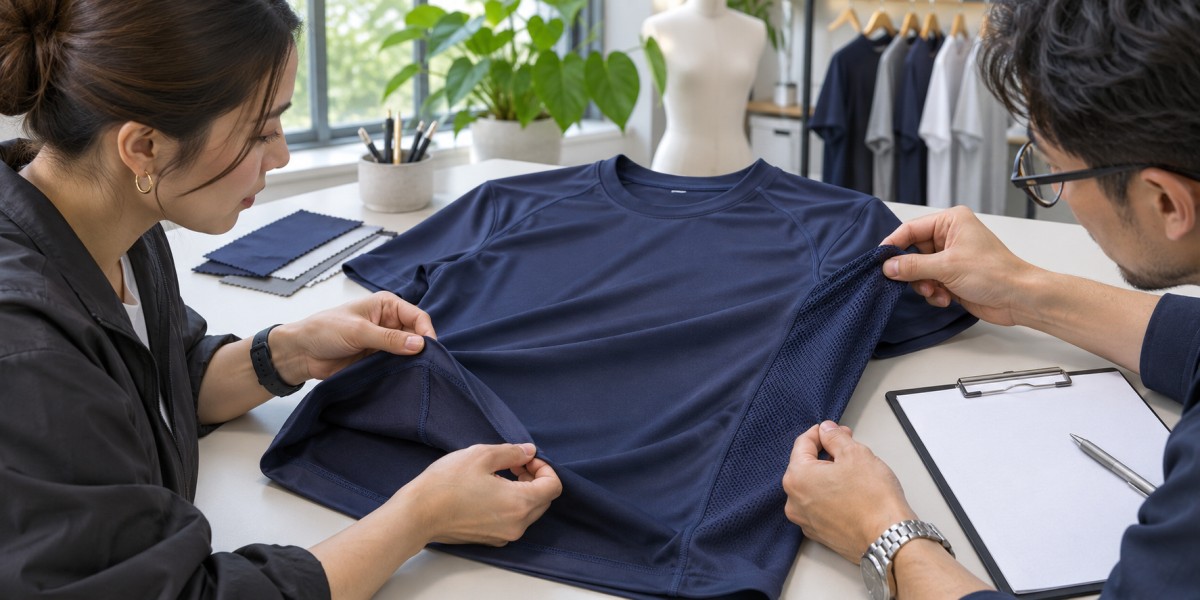
What must happen before a sample becomes production approval?
Name the purpose of each sample: concept review, construction trial, fit revision or pre-production approval. Record actual materials and any substitutes. A successful fit exercise using substitute fabric should not automatically approve the final fabric's appearance or behavior.
Use a dated review with measurements, photographs and consolidated comments. Resolve the material, fit, artwork and construction decisions required for bulk release. Request any relevant testing against the actual material or garment and agree the acceptance criteria before interpreting a sample as production-ready.
How does the development pathway connect to a quotation?
The custom sportswear manufacturing service describes inquiry, design or sample submission, quotation, material sourcing, inspection and shipping. Use those stages to ask where development approvals occur and which dependencies remain outside a production estimate. Sampling and transit should be discussed separately from manufacturing time.
Send one current brief and ask for a response covering feasibility, development scope, MOQ and milestones. This makes the next discussion concrete: what will be developed, what it will cost and what must be approved. For a smaller launch, the first-order sourcing guide covers quantity allocation separately.
Frequently Asked Questions
Does fully custom mean every material can be developed?
No. Confirm sourcing availability, component minimums and the development scope for the actual design. Exclusive materials may introduce requirements beyond garment production.
Can I send reference photographs instead of drawings?
Yes, for the initial discussion. Identify the features you want and agree which measurements and construction details must be resolved before sampling.
Is ODM limited to changing a logo?
The permitted scope varies. Ask which pattern, fabric and panel changes are available on the proposed design base, and document the agreed modifications.
How many sample revisions should I expect?
There is no universal number. Agree the sample stages, included revisions, extra charges and approval criteria for your project before development begins.
What should I send to request a quotation?
Send your brief or tech pack, quantities by style and color, artwork, delivery destination and target date. Mark open decisions so the quotation can distinguish confirmed specifications from development work.
About MontForge
MontForge is a custom sportswear manufacturer offering OEM and ODM services for brands developing men's performance apparel. Its range includes training T-shirts, coordinated sets, shorts, hoodies and outerwear. Buyers can discuss materials, customization, quantities and production terms against their project brief. Learn more about MontForge.