Premium Women’s Activewear Manufacturer: Solving Australia’s Yoga Wear Pain Points with Montforge
Developing Women's Activewear for Australian Customers
Define the Intended Wearer and Activity
Translate the Use Case into a Product Brief
Product Questions for a Yoga and Activewear Brief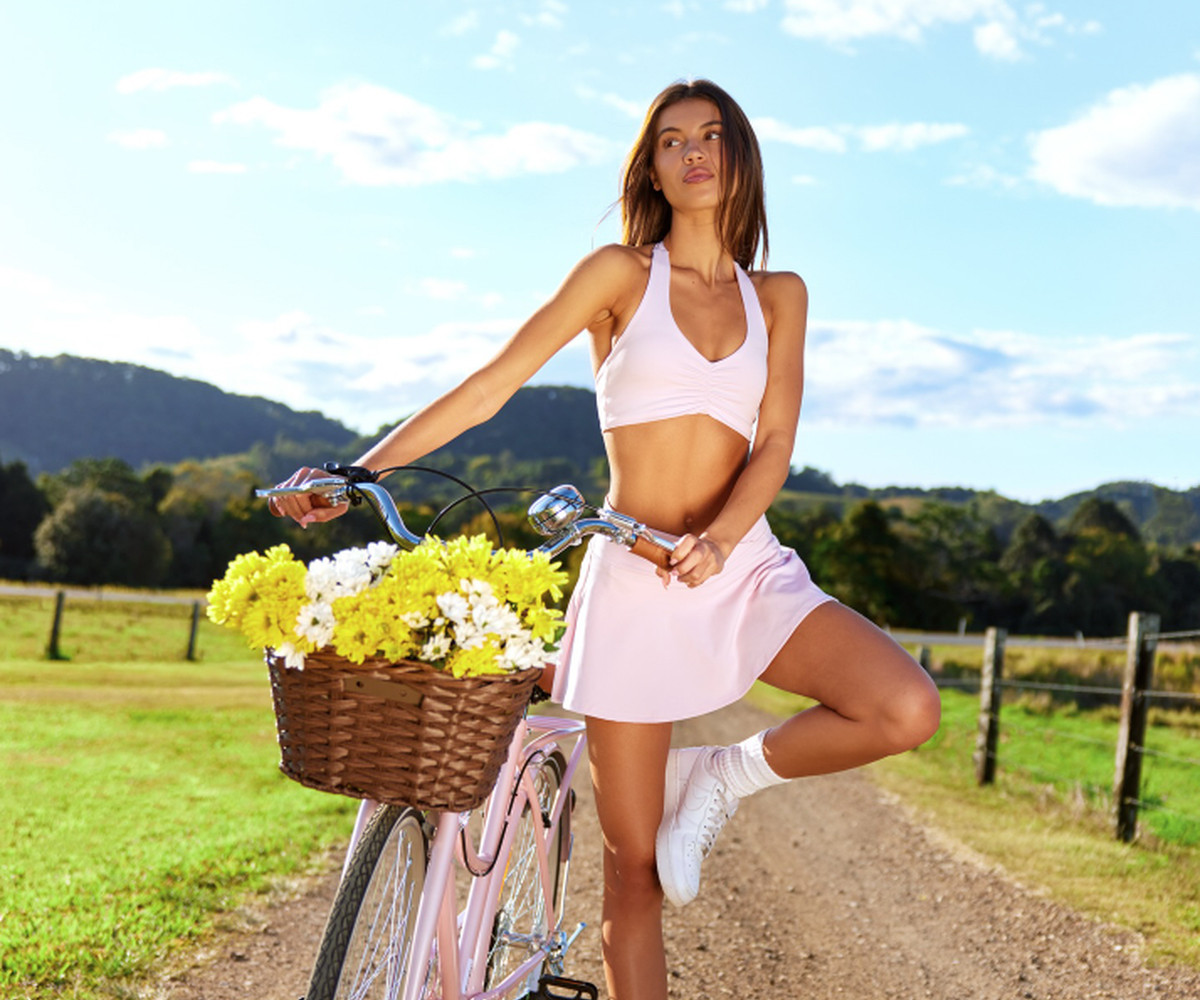
1. Select Material for the Actual Use
Outdoor sessions, heated studios and everyday wear can require different material and coverage decisions.
·Poor breathability
·Sweat retention
·Fabric sticking to skin
·Overheating during workouts
Evaluate comfort under the intended use conditions rather than assuming one material suits every activity or region.
2. Define Performance Before Choosing the Fabric
Ask the supplier to demonstrate the material properties that matter for the garment:
·Fabric is not moisture-wicking
·Limited 4-way stretch
·Poor recovery after washing
·Fabric becomes see-through
Record observations and required corrections against the actual sample.
3. Inconsistent Quality from Manufacturers
Use the quotation and sample stages to establish the production controls:
·Bulk production defects
·Delayed delivery
·Poor stitching & finishing
·No standard quality control
Keep acceptance conditions explicit before bulk release.
4. No Customization & Brand Differentiation
Confirm what the proposed service allows you to change:
·Basic styles
·Limited fabric options
·No real product development
Distinguish a custom-developed garment from an existing style with new branding.
5. Align Sampling and Order Commitments
For startups and boutique brands in Australia:
·Sampling takes too long
·Minimum order quantity is too high
·No flexibility for testing new designs
Check that the development and stock commitments fit the intended launch.
A Product Requirement for Each Use Case
A yoga wear collection can be designed for outdoor sessions, heated studios, everyday wear or a combination of uses. Those choices affect coverage, fabric feel and construction. A single broad statement about Australia's climate is not enough to specify the garment.
Translate the intended use into conditions the development team can evaluate. Define the activity, wearer, size range and desired fit. Separate an important product requirement from a feature that would merely be nice to have.
Three fabric questions that should not be merged
First, does the garment feel suitable against the skin? Second, does it behave as needed during movement? Third, can the intended functional claim be supported? A soft hand-feel is not proof of recovery, opacity or moisture-management performance.
| Requirement | Review method to agree | Record to retain |
|---|---|---|
| Coverage | Lighting, movement and stretch conditions | The material and sample evaluated |
| Fit | Target measurements and wearer feedback | Comments by size and revision |
| Recovery | Agreed movement and care trial | Observed changes at relevant garment areas |
| Construction | Seam location, extension and local comfort | Pattern or sewing corrections |
| Matching set appearance | Colour and hand-feel against the same references | Accepted differences or required changes |
Make a failed sample informative
A sample that rolls at the waistband may require a pattern, elastic or material discussion. Calling it poor quality does not identify the cause. Record the conditions, location and result, then ask the supplier to explain the proposed correction.
Similarly, a coverage issue should be evaluated with the intended fit and fabric together. Changing the fabric without revisiting the pattern can leave the underlying problem unresolved.
Give the factory a development brief it can answer
Include the intended use, product references, size chart, artwork and order mix. Mark which decisions are fixed and which need recommendations. Ask who will develop the pattern, source materials, manage grading and document sample changes.
MontForge's women's activewear service can be discussed against this brief without assuming a single MOQ, fabric or production period applies to every project. Confirm the specific development scope in writing before making the launch commitment.
Discussing Yoga Wear Development with MontForge
A Development Discussion for the Intended Women's Activewear Range
1. Review Fabric Options Against the Brief
For each proposed material, compare composition, construction, weight, finish and the relevant sample result:
• Soft hand-feel: assess against the skin and after the agreed care trial
• Daily comfort: review drape, seams and the intended layering
• Moisture behaviour: ask for evidence relevant to the material and claimed use
• Stretch: review extension and recovery together with the garment fit
• Coverage: define the movement, lighting and tension used for the assessment
Select a material against the intended activity, rather than a single national climate description.
2. Agree the Production Checks
Ask how the quoted production route controls the nominated material and garment reference:
• Incoming material identification and relevant checks
• Sewing and finishing against the approved construction
• Inspection and treatment of nonconforming goods
• Milestone dates and the conditions affecting delivery
Identify the records that will be available for this order.
3. Full OEM & ODM Activewear Solutions
Discuss an existing design base or development from the buyer's specification:
·Custom design development
• Pattern and fit development for the intended product
• Material options and evidence for the selected claims
·Private label branding
Define the included work, file ownership and approvals in the proposal.
4. Flexible Sampling & Bulk Production
Request a sample plan that addresses the unresolved product questions:
• Proposed materials and sample completion conditions
• Minimums per style or colour and separate material commitments
• Bulk release after the required approvals
Choose the commitment using the project and stock plan.
5. Private Label Activewear Manufacturer for Brand Growth
Confirm the private-label scope before comparing prices:
• Material sourcing or development where agreed
• Product, label and packing references for production
Make the brand's requirements identifiable in the manufacturing file.
What to Ask MontForge Before Starting
Send the product direction, measurements, artwork, intended size range and order mix. Ask for the proposed material route, sample stages, minimums and relevant supporting documents.
From a Sample to a Controlled Activewear Order
An activewear brief should define the garment a customer will use and the evidence needed to approve it.
Keep these requirements together through development:
·Performance-driven fabrics
·Premium comfort
·Unique product identity
·Reliable supply chain
Compare MontForge's proposal with those requirements and record the remaining decisions.
Discuss the Next Development Step
If you are developing a yoga or fitness range for Australia, share the intended garment, use and customer with MontForge.
Ask for an identified sample and commercial scope before committing to the launch.