Performance Hoodies for CrossFit and Training
A performance hoodie is the piece a CrossFit athlete or gym member reaches for before the first warm-up rep — and the one that fails most often if it is built like a streetwear pullover. The difference is technical: moisture-wicking, breathable fabric; a cut that moves with the shoulder and lats; branding that survives years of wash cycles; and an MOQ that lets an affiliate gym or boutique order its own branded gear. This guide covers the fabric, construction, branding and sourcing decisions behind a performance hoodie that actually performs.
Moisture-Wicking Fabrics: Poly-Dominant or Fail
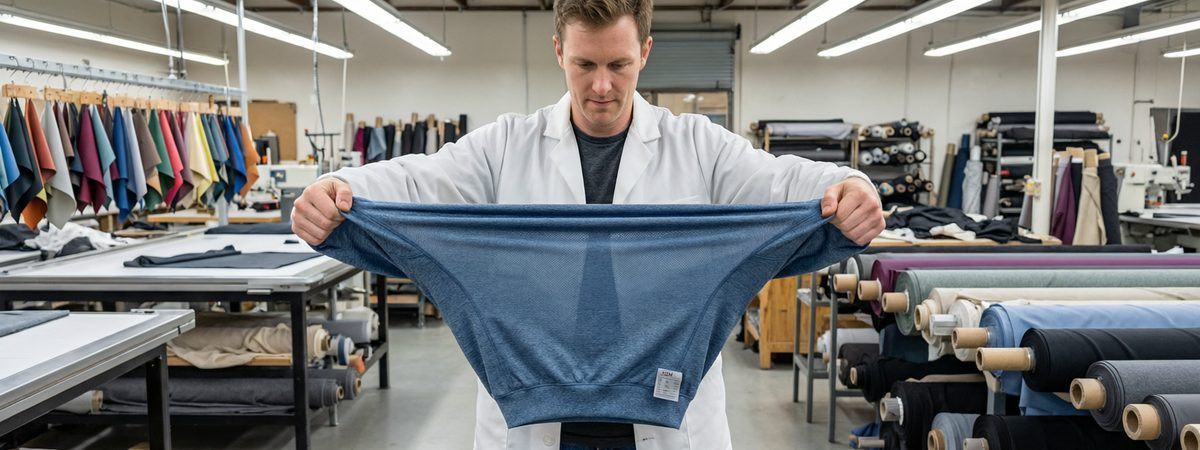
The first rule of performance hoodie fabric is simple: cotton holds sweat, polyester moves it. A 100% cotton hoodie absorbs moisture and turns into a heavy, cold towel within ten minutes of moderate effort. Performance hoodies are built poly-dominant — 80% polyester or higher — because polyester pulls sweat off the skin by capillary action and spreads it across the surface to evaporate. A common working blend is around 52% polyester, 44% cotton and 4% spandex: the polyester wicks and adds durability, the cotton softens the hand and adds warmth for the warm-up phase, and the spandex provides the stretch for a full range of motion. Ask for a moisture-wicking finish as standard and check the drying behaviour on a washed sample, not a showroom piece.
GSM: Matching Weight to the Training Role
Fabric weight decides whether a hoodie is a training layer or a warmth-first garment. In performance hoodies, roughly 200–280 GSM is the training sweet spot — light enough for dynamic movement, dense enough to block a cool gym draft. More precisely, 250–280 gsm suits a warm-up piece and gym cover; 300–330 gsm is the all-season performance hoodie with balanced structure and comfort; 340–380 gsm moves into heavyweight street-training and cold-weather territory. For athletes who train in a heated box then walk to a cold parking lot, a mid-weight 260–300 gsm poly-dominant knit with a quarter-zip is the practical daily driver.
Breathability and Venting Strategy
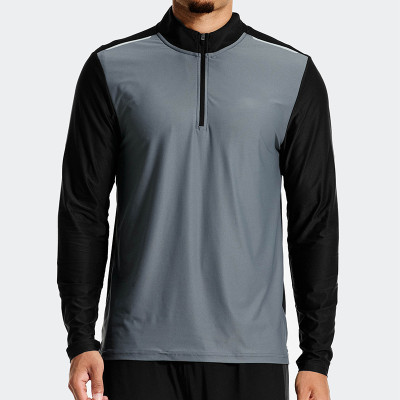
Breathability is what stops a hoodie from becoming a sauna between sets. French terry — a looped-back knit with a smooth face — is lighter and more breathable than brushed fleece, and drapes with less bulk, which is why performance brands use it for training hoodies; brushed fleece traps more heat and suits cold-weather running or outdoor training. A quarter-zip adds a temperature valve: unzip a few inches mid-session to dump core heat without removing the whole layer, then zip up for the walk back. Mesh or laser-cut vent panels at the underarms and back are a premium add for high-output boxes.
Ergonomic Construction: Raglan, Gussets and Flatlock
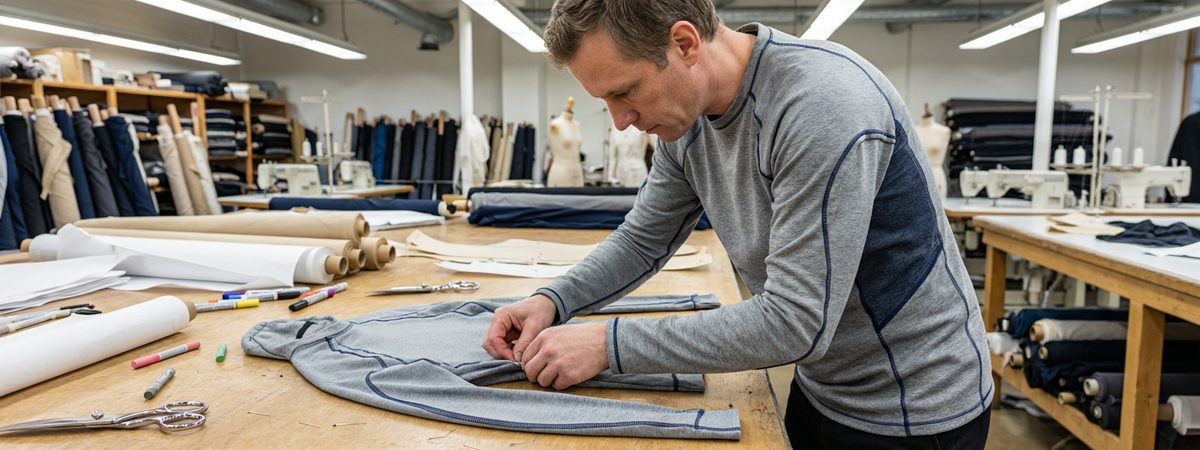
A hoodie that restricts the shoulder is a liability under a barbell. The raglan sleeve — cut in one piece from collar to underarm with a diagonal seam — allows a far wider range of shoulder movement than a set-in sleeve, which is why raglan is standard on gym and athletic-fit hoodies. Add an underarm gusset or articulated shoulder seam and the fabric stops binding on overhead presses and pull-ups. Flatlock seams lie flat on both sides, cutting chafing under a weight vest or against a bench and resisting unravel through repeated washing. Reinforce the stress points — shoulder seams, cuffs and hem — and keep the torso athletic rather than boxy so fabric never bunches under a bench or snags a cable stack.
Hood, Cuffs and Pockets That Hold Up
The details decide whether a training hoodie survives a season of use. A double-layer hood with a reinforced drawcord keeps its shape instead of collapsing or dragging the collar; cuffs and hem with 5–8% elastane recover their shape wash after wash; and a kangaroo pocket deep enough for a phone should sit flat enough not to bounce during dynamic warm-ups. On zip-ups, spec a quality YKK zip — a zip that presses into the sternum during floor work is a common complaint, so a quarter-zip or a well-positioned full zip matters as much as the fabric. Choose pullover versus quarter-zip versus full-zip on how the athlete layers: pullovers are lighter with fewer failure points, zips give venting control.
Branding That Survives Washing
Gym hoodies get washed constantly, so the logo has to survive. Sublimation is the benchmark for performance wear: the dye is fused into the polyester fibres themselves, so the print cannot crack, peel or fade, has zero hand-feel, and stretches with the fabric — ideal for poly-dominant hoodies with 85%+ polyester content. Screen print is the cost-effective workhorse for solid-colour logos at volume, and embroidery suits hoodies and sweatshirts where a raised, premium finish lasts as long as the garment. Whatever the method, validate it against real wash cycles: AATCC 61 colour-fastness and AATCC 135 shrinkage testing, and a 50+ wash-cycle review, is how you confirm the crest still looks sharp after a season of athlete laundry.
Low MOQ for Affiliate Gyms and Boutique Boxes
The old assumption that branded gym apparel needs a 500-piece order is gone. Full-sublimation and cut-and-sew runs now start around 10–50 pieces per design, and wholesale programs ladder from roughly 50 pieces upward — 50–199 units at a 20% discount, 200–499 at 30%, 500–999 at 40% and 1,000+ at 50% off retail — so a CrossFit affiliate can order a first run of member hoodies without warehousing stock. A low-MOQ supplier lets a box test its branding on a 30–50 piece run, then reorder on an archived design as membership grows. Ask about mixed sizes and colours within one MOQ, and keep your artwork file on file so top-ups are a straight repeat.
Sampling in 7–15 Days
You do not need a large first order to see a real sample. A competent custom manufacturer typically turns a performance hoodie sample in about 7–15 days — fast enough to review the fabric hand-feel, the raglan fit, the hood balance and the logo placement before you commit to bulk. Order one sample in your target fabric and put it through two wash cycles during review: that two-wash test surfaces real shrinkage, stretch recovery, pilling and logo durability far better than a fresh showroom piece. Use the washed sample to lock the size chart, then bulk becomes a straight repeat of an approved garment.
MontForge Performance Hoodie Capabilities
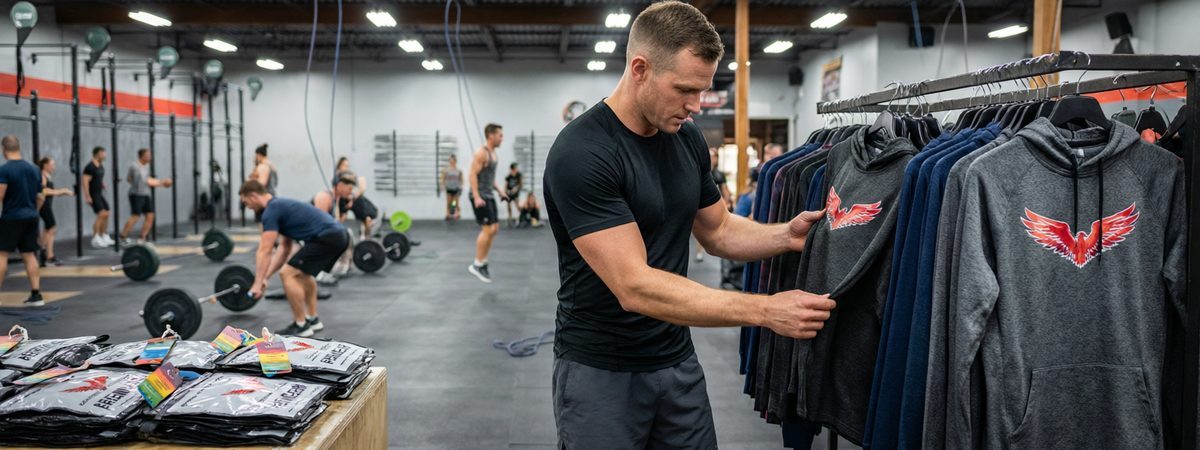
MontForge develops custom performance hoodies for CrossFit boxes, gyms and training brands. We build poly-dominant moisture-wicking knits and performance French terry across the 200–330 gsm training range, with four-way stretch, anti-odour and quick-dry finishes, quarter-zip options and mesh venting. Our construction floor runs raglan sleeves with underarm gussets, flatlock seams, double-layer hoods with reinforced drawcords, and elastane-rich cuffs and hems. Branding is handled in-house — sublimation for polyester bodies, screen print and embroidery for logo work, all validated against wash-cycle testing. With low MOQ support for affiliate gyms, a 7–15 day sample window and archived reorders, we help boxes ship hoodies that warm up well and last a full season of training.
Frequently Asked Questions
What fabric is best for a performance training hoodie?
A poly-dominant blend — roughly 80% polyester or higher, or a working blend around 52% polyester / 44% cotton / 4% spandex — wicks moisture, adds durability and provides stretch. Aim for 200–280 gsm for training, or 300–330 gsm for an all-season performance hoodie.
Why do training hoodies use raglan sleeves?
Raglan sleeves cut in one piece to the collar allow a far wider range of shoulder movement than set-in sleeves, so the hoodie does not bind on overhead presses and pull-ups. Add an underarm gusset and flatlock seams for full range of motion without chafing.
Which branding survives washing best?
Sublimation for poly-dominant performance hoodies — the dye fuses into the fibres, so prints cannot crack, peel or fade and stretch with the fabric. Screen print suits solid logos at volume, and embroidery lasts as long as the garment on heavier knits. Validate with wash-cycle testing.
Can an affiliate gym order hoodies at low volume?
Yes. Sublimation and cut-and-sew runs start around 10–50 pieces per design, and wholesale programs ladder from about 50 units up. A 30–50 piece first run lets a box test branding, then reorder on the archived design as membership grows.
How long does hoodie sampling take?
A custom performance hoodie sample typically takes 7–15 days. Wash it twice during review to check shrinkage, stretch recovery, pilling and logo durability, then approve the washed sample before bulk.
Ready to outfit your box or gym? Send us your brief and logo or browse MontForge custom hoodies — moisture-wicking knits, raglan construction and low MOQ at 7–15 day sampling.