Inside a Tier-1 Sportswear Factory: What Premium Manufacturing Looks Like
1. What "Tier-1" Really Means in Sportswear Manufacturing
In apparel sourcing, "factory" is a vague word. A Tier-1 sportswear manufacturer is a specific tier: a vertically integrated operation that controls its own cutting, sewing, printing, embroidery, and quality systems under one roof, holds audited international certifications, and runs its floor on live production data rather than paper logs. The distinction matters because a brand's reputation is only as consistent as the weakest link in its supply chain. When a supplier outsources cutting or finishing to unmonitored subcontractors, quality and lead times become a black box. A Tier-1 shop keeps that box open.
This article walks through what premium manufacturing actually looks like on the floor — the systems, the equipment, the lab, and the step-by-step process that turns a tech pack into performance gear built to last.
2. The Facility: 4,000 m², 200+ Specialists, One Roof
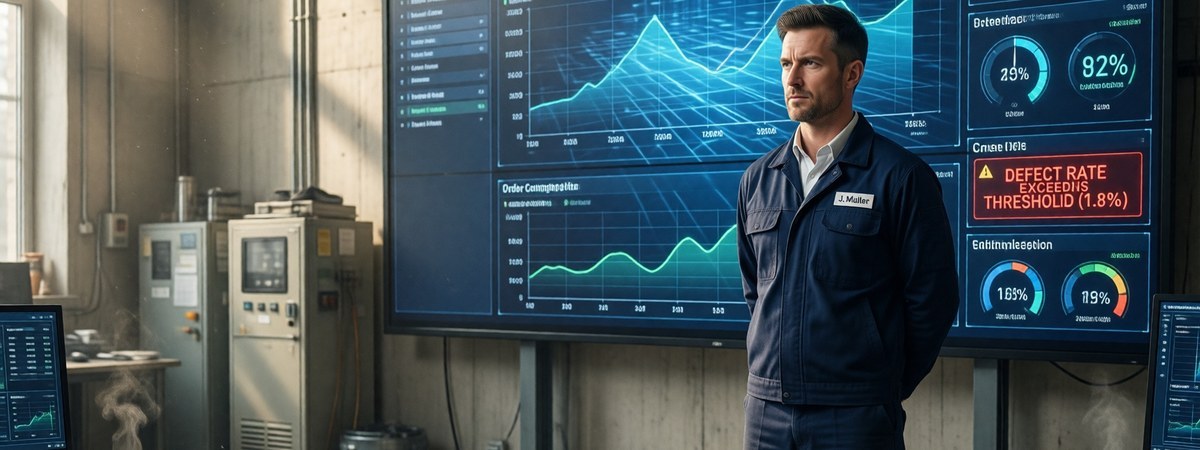
A genuine Tier-1 sportswear operation is not a single sewing room. Picture roughly 4,000 square metres of floor space and 200+ skilled staff — pattern makers, digital print operators, flatlock sewers, embroidery technicians, lab testers, and production planners — coordinated as one organism. Keeping cutting, printing, sewing, finishing, and QC in-house is what lets a factory guarantee sample-to-bulk consistency instead of hoping a subcontractor matched the approved sample.
3. The MES Nervous System: Real-Time Production Visibility
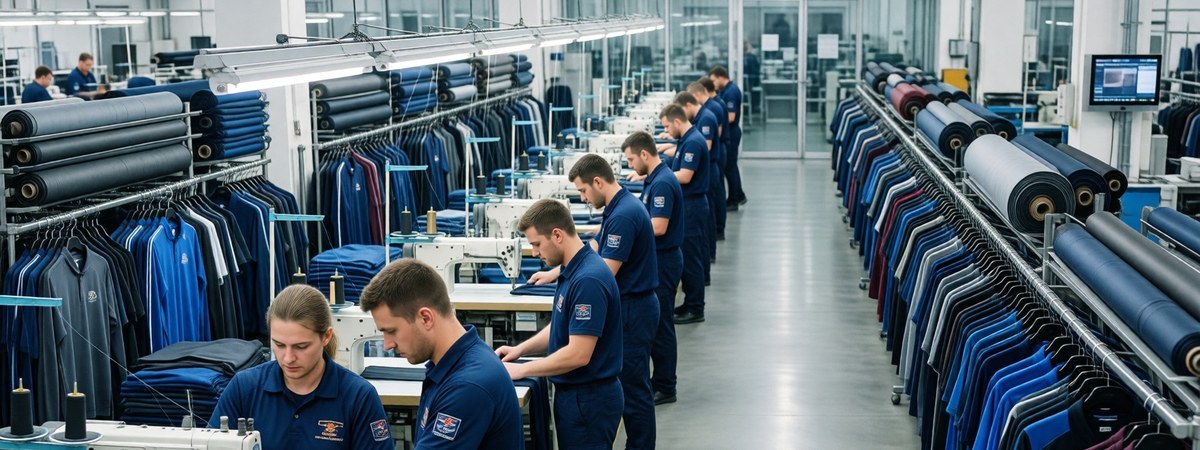
The single biggest difference between a Tier-1 and a traditional factory is the Manufacturing Execution System (MES). Where older shops rely on end-of-day handwritten tallies, an MES captures output, machine uptime, quality checks, and work-in-progress at every workstation in real time and pushes it to a live dashboard.
Independent apparel-software analyses show what that visibility buys a brand: late shipments cut by 15–30%, machine efficiency improved by roughly 20%, and rework rates lowered by up to 25% through early defect detection. For a brand, that translates directly into on-time launches and fewer emergency air-freight bills.
4. Equipment Showcase: From Digital Print to Finished Seam
Premium sportswear is built on a chain of specialized machines. The core stations in a Tier-1 line include:
4.1 Digital sublimation printing and heat transfer
High-resolution inkjet printers lay artwork onto transfer paper with ICC-calibrated colour. A precision heat press then fuses the dye into polyester fibres at 190–205°C for 40–60 seconds. Because the ink becomes part of the fabric, prints never crack, peel, or fade the way surface vinyl does.
4.2 Automated laser cutting
Vision-guided laser cutters follow CAD patterns and cut dozens of plies at once with sub-millimetre accuracy, simultaneously sealing edges to stop fraying. Accurate panels are why seams align and the garment hangs correctly on the body.
4.3 Engineered sewing and finishing
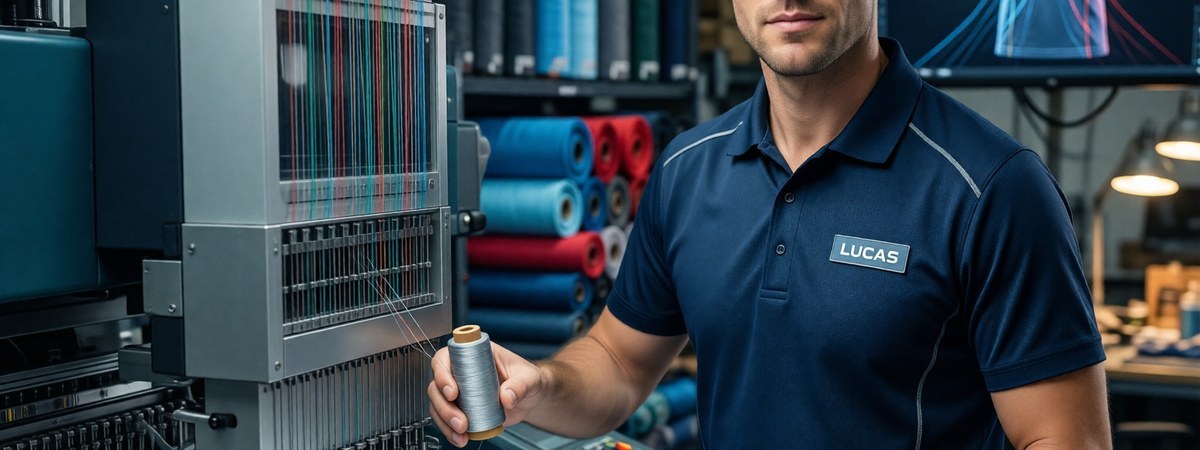
A single performance garment can touch 15 or more machine types: four-needle six-thread flatlock for chafe-free seams, coverstitch for clean hems, bartack machines for reinforced stress points, ultrasonic welding for seamless construction, and computerized multi-head embroidery for consistent logo reproduction across thousands of units.
5. The QC Lab: Where Claims Become Evidence
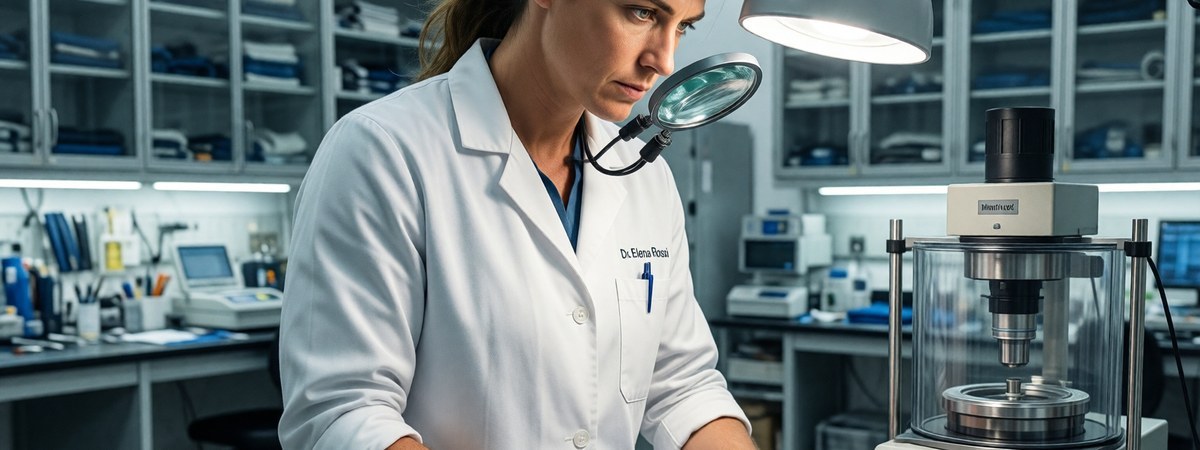
Any factory can say its fabric is durable. A Tier-1 lab proves it. A proper textile QC laboratory runs instrumented tests against AATCC and ASTM standards, including:
- Colourfastness — AATCC 8 (rubbing/crocking), AATCC 61 (laundering), AATCC 16 (light), AATCC 135 (dimensional stability after washing, i.e. shrinkage).
- Durability — ASTM D5034 (tensile strength), ASTM D1683 (seam strength), ASTM D4966 (abrasion resistance, Martindale method), ASTM D3511 (pilling).
- Safety — OEKO-TEX® Standard 100 screening for harmful substances, verified by 17-digit certificate number and Product Class II for close-to-skin wear.
Lab instruments such as Instron tensile testers, James Heal Martindale abrasion machines, Q-Lab xenon (QUV) weathering chambers, and crockmeters turn vague marketing language into measurable, documented evidence a brand can show its own customers.
6. The 15-Step Production Process, End to End
Premium consistency comes from a disciplined, documented workflow. A representative Tier-1 sequence:
- Tech pack & CAD pattern creation
- Fabric sourcing and incoming inspection
- Digital sublimation printing
- Precision heat-transfer bonding
- Automated laser cutting
- Panel quality check & alignment
- Pre-production (PP) sample approval
- Bulk sewing — flatlock, coverstitch, bartack
- Computerized embroidery / branding
- Durable heat-press tagless labelling
- Professional ironing & steam shaping
- In-line quality control at the line
- Final inspection to AQL 2.5 standard
- Lab testing — colourfastness, abrasion, shrinkage
- Packing & shipment
Each gate exists so a defect is caught at step 12, not by a customer at step 16.
7. In-House R&D: Fabric and Pattern Innovation
Tier-1 manufacturers invest in a dedicated R&D department: CAD and 3D pattern making, fabric development (moisture-wicking and recycled-poly blends), and trend and colour mapping. This is what lets a factory move from "we can sew your design" to "we can help you engineer the right garment." In-house sample rooms validate a style before bulk, compressing the path from concept to approved sample.
8. Certifications That Back the Building
A Tier-1 facility's walls carry more than machinery — they carry independently audited proof of capability. The baseline set brands should expect:
- ISO 9001 — quality management system, the foundation of repeatable process control.
- ISO 14001 — environmental management across chemicals, water, and energy.
- BSCI / WRAP — social-compliance audits covering labour rights and safe working conditions, often mandatory for EU and US retailers.
- OEKO-TEX® Standard 100 — verified absence of harmful substances in every component.
- GRS (Global Recycled Standard) — chain-of-custody proof of recycled content (50%+ to use the logo claim).
Certificates should be verified by number, not trusted as PDFs — expired or component-incomplete certificates are a common failure point.
9. What Sets a Tier-1 Manufacturer Apart
Pulling it together, the markers of a true Tier-1 sportswear partner are: audited certifications (ISO, BSCI, OEKO-TEX, GRS); MES-driven transparency instead of black boxes; full in-house process from print to pack; an instrumented QC lab; digital sample-to-bulk accuracy (leading shops report 95–99%); and the flexibility to start at low MOQ and scale without re-tooling. Tier-2 and Tier-3 shops may match one or two of these; Tier-1 holds all of them simultaneously.
10. How MontForge Runs a Tier-1 Operation
At MontForge we run our floor as a Tier-1 operation: a vertically integrated sportswear plant with in-house digital printing, laser cutting, flatlock sewing, embroidery, and a QC lab executing AATCC/ASTM test protocols. Production is tracked on an MES with live dashboards, quality is enforced at AQL 2.5 across four inspection stages, and our R&D team supports tech-pack-to-bulk development for both performance and athleisure lines. We are certified to ISO 9001 / ISO 14001 / BSCI / OEKO-TEX / GRS standards and support low-MOQ sampling so new brands can validate quality before scaling.
Want to see the floor for yourself? Request a virtual factory tour with MontForge →
11. Frequently Asked Questions
11.1 What certifications prove a sportswear factory is Tier-1?
Look for ISO 9001 (quality system), ISO 14001 (environment), BSCI or WRAP (social compliance), OEKO-TEX Standard 100 (chemical safety), and GRS for recycled content. Verify each by certificate number, not by a logo on a website.
11.2 Why does MES matter for my brand?
An MES gives real-time visibility into order progress, machine uptime, and defects. Industry data links it to 15–30% fewer late shipments and up to 25% lower rework — which means your launch dates and your defect rates both improve.
11.3 What does a sportswear QC lab actually test?
Colourfastness (AATCC 8/61/16/135), strength (ASTM D5034/D1683), abrasion (ASTM D4966 Martindale), pilling (ASTM D3511), and harmful-substance screening under OEKO-TEX. These turn "durable" from a claim into a measured result.
11.4 How many steps are in premium sportswear production?
A disciplined Tier-1 workflow runs about 15 documented steps — from tech pack and CAD through printing, laser cutting, sewing, embroidery, QC, lab testing, and packing — with a quality gate at each stage.
12. Conclusion
Premium sportswear is not made at the iron; it is made in the system around the iron. A Tier-1 factory earns the label through audited certifications, MES-driven transparency, in-house equipment, an instrumented QC lab, and a 15-step process where every gate protects the brand. When you choose a manufacturing partner, you are really choosing the rigour of their floor.
Ready to build with a Tier-1 partner? Start your sportswear project with MontForge →