How to Scale Your Sportswear Brand from Startup to Global Player
Planning to scale your sportswear line? Talk to our manufacturing team about low-MOQ sampling and scale-up →
1. Why Scaling a Sportswear Brand Is Different from Launching One
A first launch tests a product and its demand. Scaling asks whether the accepted fit, materials and production method remain controllable when quantities, colours or size ranges change. Separate those changes so that a problem has an identifiable cause.
2. Phase 1: Validate the Market with Low-MOQ Sampling
A small test order can help a new sportswear brand learn about fit, material, price acceptance and fulfilment before increasing its commitment. Select a focused product and order mix, then confirm the actual minimums. Custom fabric, colours and trims can create commitments beyond the sewing quantity.
3. Phase 2: Build Your Signature Product Line
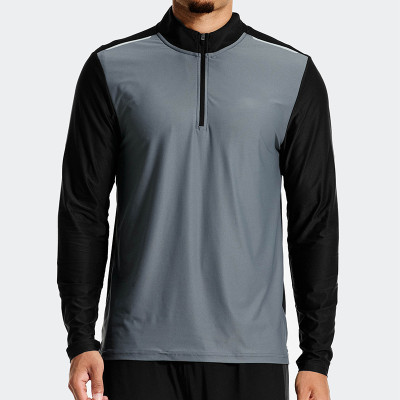
Once a hero piece proves out, the next phase is to build a recognizable line around it — a cohesive set of products that share fabric language, fit logic, and visual identity. The mistake here is assortment creep: adding SKUs before the core is locked. A focused signature line (say, a jacket, a tee, and a bottom in a consistent performance fabric) is easier to manufacture consistently and easier for customers to remember than a scattered 12-style launch.
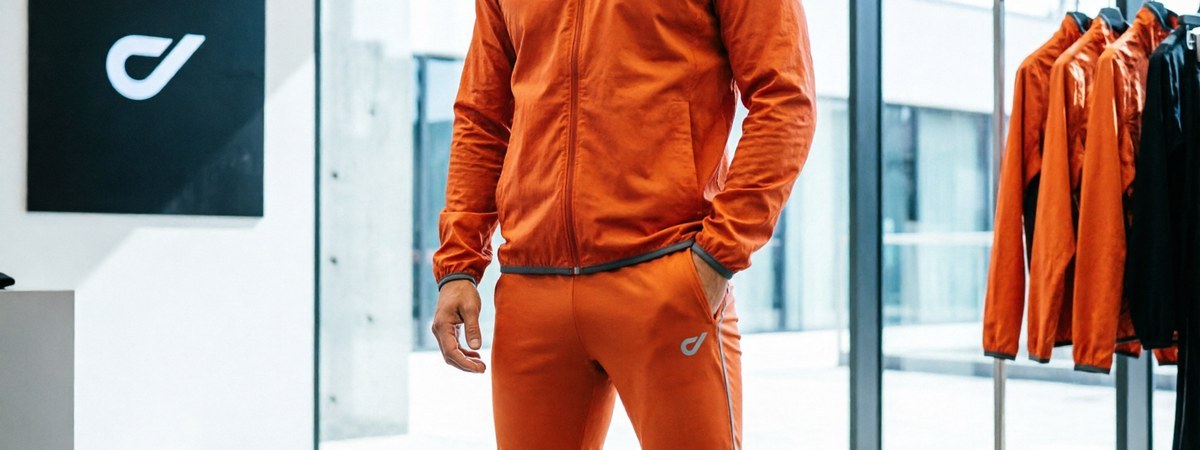
Define the fit, fabric and design features shared across the range. A tee and a jacket may belong to one collection without using the same block or material. Keep shared references where they help consistency, and develop category-specific patterns where construction requires them.
4. Phase 3: Scale Production Without Losing Quality
Increasing volume increases the number of units exposed to an unresolved error. Before release, agree how the supplier will control incoming materials, critical sewing operations and completed goods. Tie each checkpoint to a product requirement rather than an unexplained promise of more inspections.
- Structured inspection: define stages, defect categories, lot and sampling rules, records and treatment of nonconforming goods.
- Relevant testing: select the material or garment, method and acceptance criteria for the intended use. Ask whether work is done internally or by an identified laboratory.
- Material continuity: confirm how nominated fabric and trims will be reserved, reordered and substituted when necessary.
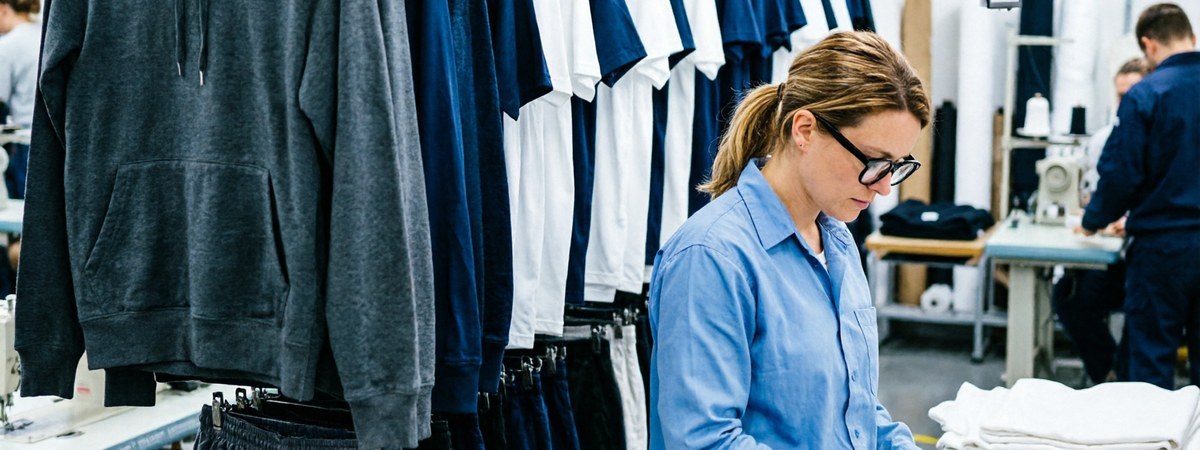
Treat the approved sample as a controlled reference. A correction that exists only in a chat message can be lost when another line or team takes over. Update the measurement chart, material references and construction notes before increasing the quantity.
5. The Role of a Reliable Manufacturing Partner
A vendor takes your tech pack and sews it. A partner becomes a technical co-founder. The difference shows up in four places:
R&D depth
Ask the development team to explain a relevant pattern decision, identify missing specifications and document the first revision. The usefulness of a pattern library depends on its relevance to your garment, not its advertised size.
Technical printing
Evaluate reflective, printed or stitched decoration on the nominated fabric. Record appearance, movement, attachment and care requirements. No application method is automatically thinner, more breathable or more durable than all alternatives.
Compliance
Identify the buyer's relevant documentation and approval requirements early. Check the exact scope of management certificates, social audits and article certificates; retailer relationships do not by themselves establish product compliance.
Supply-chain stability
Agree the reorder dependencies: available material, sample revision, production capacity and packing components. Obtain an order-specific schedule with its starting conditions.
When the partner owns the hard parts of manufacturing, the brand can stay focused on design, community, and growth — the work that actually builds a global name.
MontForge and Montirex: a successful manufacturing collaboration

MontForge has worked successfully with Montirex. This is part of its manufacturing experience and provides a concrete relationship for a new buyer to discuss.
7. Apply the Manufacturing Lessons to the Next Brief
- Define the performance, placement and care requirements for any proposed decoration before selecting the application.
- Use the intended wearer, measurements and movement requirements to develop the fit rather than copying a brand's visual identity.
- Evaluate reflective appearance and any formal visibility claim separately. A visual effect is not evidence of certified protective performance.
Montirex Partnership and Production Continuity
MontForge has worked successfully with Montirex. For a new buyer, that relationship is relevant experience to discuss alongside the capabilities required for the next garment or production programme.
Montirex's official brand history places its beginnings in Liverpool in 2019. This public brand background is separate from MontForge's partnership chronology and does not establish the date, quantity or commercial result of an individual manufacturing order.
Translate a growth story into a repeatable production system
The manufacturing question is what must stay stable while a range expands. A brand may change quantities and colourways without intending to change fit, fabric hand-feel or decoration. The production file needs to make that distinction explicit.
| Element to preserve | Reference to retain | Change that needs review |
|---|---|---|
| Fit | Approved sample and measurement chart | Pattern or grading revision |
| Fabric | Material reference and intended performance | Changed source, finish or material result |
| Appearance | Colour and decoration references | New lot or application process |
| Packing | Approved labels and SKU instructions | Changed assortment or retail requirements |
A successful collaboration does not mean every future order can be copied without discussion. It creates a basis for a better brief: which elements can repeat, which need new development and which approvals must happen before release.
Scale one controlled variable at a time
Adding volume, colours, size range and a new construction simultaneously makes it harder to identify the cause of a problem. Where the launch plan permits it, separate these changes. Confirm whether a defect comes from a changed material, pattern, application or packing instruction before increasing the commitment again.
Assess reorder quality using the identified production lot and approved revision. A measured correction is more useful than a broad promise of consistency. Preserve the records that allow a supplier to reproduce the garment, and record exceptions before they become the next order's accidental standard.
For a new brand evaluating MontForge, start with a review of the intended product. Use the proposed sample, specification and written production plan to establish what will be delivered.
8. Commercial Controls for Scaling
Keep the expansion decision tied to your own sales, stock and production records:
- Track sell-through by style, colour and size rather than increasing every SKU at the same rate.
- Separate money committed to materials and finished stock from expected revenue. Include development, delivery and fulfilment in the plan.
- Use customer feedback to prioritise the next correction or reorder. A viral post alone does not establish a sustainable order quantity.
Before increasing promotion, check whether the replenishment plan can support the demand scenario you are funding. Set the target using your sales cycle and actual supplier conditions rather than a universal number of days.
9. Common Scaling Mistakes That Break Young Brands
Review these operational risks before expanding the collection:
Neglecting the tech pack
A vague sketch invites misinterpretation, subpar samples, and endless revisions. A detailed tech pack is the blueprint that keeps bulk true to intent.
Overcomplicating the first collection
Twelve SKUs and six colorways fragment inventory. One hero, three colorways, five sizes beats a scattered launch.
Ignoring quality control
Agree inspection and corrective-action procedures before production. Avoid treating another brand's alleged failure as evidence about your own supplier.
Custom fabric too early
Proprietary blends build defensibility later; in year one they invite defect risk, dye-lot variance, and frozen cash. Start with proven open-market fabrics.
Underestimating sampling
Sampling is where fit and fabric are proven "to destruction." Rushing it ships problems to customers at volume.
Poor fit and sizing
Inconsistent grading (medium fitting like a small) destroys trust at scale. Invest in real pattern libraries and inclusive grading.
10. How to Choose a Manufacturing Partner for Scale
When you shortlist a factory to grow with, check beyond price:
Small-brand track record
Ask for relevant work that can be shared legitimately. A supplier may be unable to disclose another customer's details; an appropriate sample and documented process can provide alternative evidence.
Real sampling time
Ask when a sample can be made using the proposed materials, what information is still needed and how revisions affect the schedule. A conditional date can be more credible than an unconditional promise.
Ownership of production
Confirm the named production site and any subcontracted operations. Agree what changes need your approval; subcontracting should be visible and managed rather than assumed absent.
QC & certifications
Review documents by purpose, scope, entity and current status, then agree the product-specific inspection plan.
Restock speed
Ask what must be booked or approved to achieve the replenishment date required by your sales plan.
Technical capability
Check the operations your garment needs and where they will be performed. Relevant samples are more useful than a broad claim of in-house capability.
11. Frequently Asked Questions
What MOQ should a startup sportswear brand target?
Choose a quantity that can answer the commercial and product questions without exceeding a manageable commitment. Confirm minimums per style and colour, additional material purchases and the cost of any remaining stock.
How fast can a sportswear brand realistically scale?
The pace depends on demand, finance, material readiness and the ability to reproduce an accepted product. Use those dependencies to set the next commitment rather than a universal growth timeline.
Why does quality control matter more at scale?
A defect in an unresolved reference can spread across a larger order. Control the material, pattern and decoration revision, then use inspection findings to decide whether the lot meets the agreed requirements.
When should a brand move from ODM to full custom?
Start with proven open-market fabrics and ODM/private-label to de-risk year one. Move to proprietary blends and full custom once the hero product is validated and the supply chain is stable.
Conclusion
Expand the range using a stable production reference, a realistic replenishment plan and observations from real orders. A successful partnership supports that work; it does not replace the next product approval.
Ready to scale your sportswear brand? Start your low-MOQ pilot with MontForge →
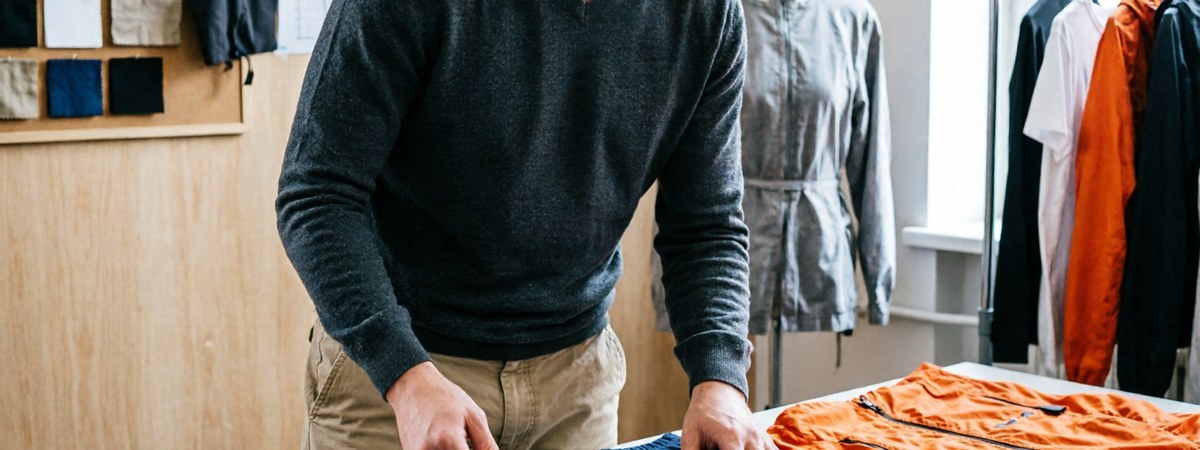
Scene illustrations are for visual context and do not document a named factory, audit or customer order.