How to Avoid the 5 Most Common Mistakes When Starting a Sportswear Brand
Launching a sportswear brand has never been easier — and that is exactly the problem. Low barriers to entry mean the market is crowded, and most new brands do not survive long enough to build momentum. The good news: the failures are overwhelmingly predictable. When you know the five mistakes that sink most startups, you can design right past them before your first collection ships.
1. The Hard Numbers: Why Most Sportswear Startups Stall
Research on new apparel brands is sobering. Roughly 80% of new clothing brands fail within their first five years (Bryden Apparel, based on work with 1,000+ brands since 2013), and some activewear-specific estimates are harsher still — one widely cited analysis argues 90% of activewear startups disappear before they ever earn a second customer order. In the Indian market, more than 70% of new clothing brands fail within two years (ZOOKS). The founders who survive are rarely luckier. They almost always avoid the same five operational mistakes made in the first 12 months.
The pattern: failures are not caused by weak passion or bad ideas. They are caused by avoidable, repetitive operational errors made before the first bulk order — exactly the errors this guide walks through.
2. Mistake #1: Choosing the Wrong Manufacturing Partner
The single most expensive error is picking a factory on price alone. A cheap unit cost is quickly eaten by everything it hides. Brands that choose the wrong partner report delayed production that misses launch windows, inconsistent quality between the sample and bulk run, and communication gaps that turn into wrong colours, fabrics, or patterns. One sourcing veteran puts it bluntly: a production delay of even one week can cost more than the manufacturer's entire invoice in lost sales and trust.
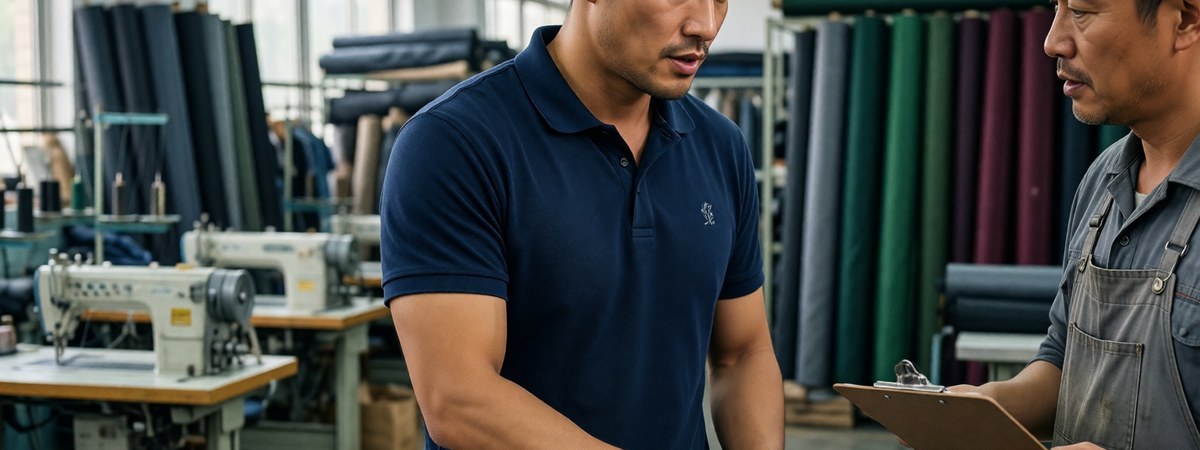
The risk is not theoretical. Several international brands — including Converse and Columbia — have had products fail Chinese quality inspections specifically on outsourced (OEM) lines, with pH-value and colour-fastness violations traced to subcontracted production. When quality control lives far from your oversight, defects surface only after units reach the shelf. Choose a partner who reduces your mistakes, not just your unit cost.
Need a manufacturing partner who protects your launch? Talk to our team about low-MOQ sportswear production →
3. Mistake #2: Overcomplicating Your First Collection
New founders love variety. They launch with six leggings, four sports bras, three jackets, and eight colourways — then wonder why cash flow is nowhere and inventory is everywhere. The strongest brands usually start with one hero product, one target customer, and one problem solved exceptionally well. A broad first drop spreads your capital thin, complicates sampling, and dilutes your brand story.
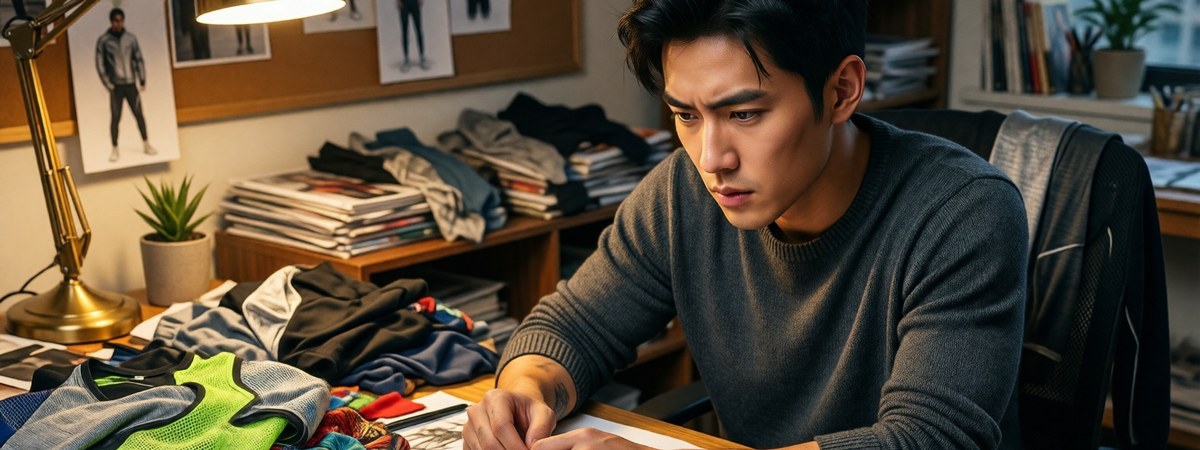
The flip side is designing for everyone. A product built for "yoga, running, gym, Pilates, and everyday wear" feels designed for no one. Customers do not buy apparel categories — they buy solutions to a specific problem. Start narrow, validate demand, then expand once the hero product earns repeat orders.
4. Mistake #3: Ignoring Quality Control Until It Is Too Late
A garment can look perfect standing still on a dress form — and fail completely after 30 minutes of real wear. Common post-launch complaints are telltale: the waistband rolls down, the fabric turns sheer when stretched, straps dig in, seams chafe the skin. These are not random defects; they are untested behaviours that only appear in motion, during long wear, and after multiple washes.

Quality control is not a final inspection line — it is a discipline baked into sampling and bulk. Define your standards early, require pre-production samples made in actual bulk fabric (not substitutes), and test the way your customer actually moves. A fit issue left unresolved in sampling is replicated across every unit in the bulk order.
5. Mistake #4: Underestimating the Sampling Phase
Most founders treat sampling as a quick checkbox: "make a sample, approve it, move to production." In reality, sampling is the foundation of your product. A typical timeline runs 30–60+ days: first sample 2–4 weeks, one to three revision rounds (2–6 weeks), and a pre-production sample 2–3 weeks (Sourcify). For more technical pieces, a well-run program uses 18–22 business days for the first sample, 7–10 for the first revision, and 10–14 for the pre-production sample (Fabrikn), with rush surcharges of 15–25% when deadlines are missed.
Complex garments can need three to four iteration loops, each consuming two to three weeks — eight to twelve weeks total (Shanghai Garment). Rushing sampling to hit a launch date is the most expensive shortcut there is: it locks unresolved fit and construction problems into thousands of finished units, driving returns, negative reviews, and long-term reputational damage. Budget sampling as an investment, not a cost to minimize.
Want sampling done right the first time? Request a structured sampling plan from our team →
6. Mistake #5: Poor Fit and Sizing
Fit is where brands quietly bleed money. Online apparel return rates sit at roughly 24.4% in the US (Coresight Research, 2023) — about $38 billion in clothing sent back that year. The dominant cause is unambiguous: sizing and fit account for 53% of returns per Coresight, and around 70% per McKinsey's 2021 analysis. Processing a single return can cost up to 65% of the item's original price (Synctrack), and 58% of shoppers "bracket" by ordering multiple sizes intending to return most (Narvar, 2021).
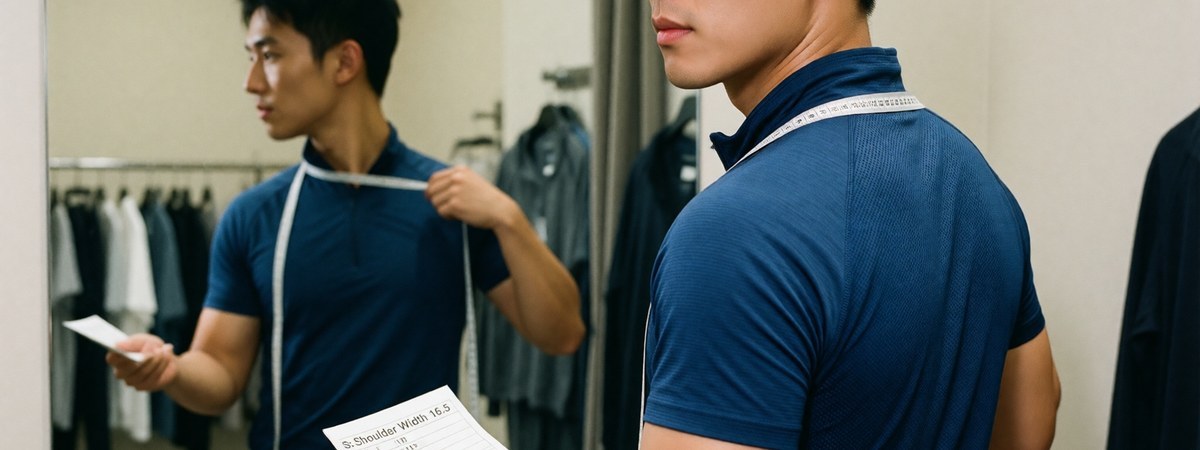
Most fit problems are preventable: publish a clear size chart, add model height and size worn to every product photo, and validate grading across the full size run rather than just the base size. One controlled test of 720,000 shoppers found that size advice reduced size-related returns by 3.8% (Nestler et al., Zalando, KDD 2021) — small at the unit level, decisive at scale.
7. The Real Cost of Each Mistake
These errors are not isolated — they compound. Here is what each one typically costs in money and time:
- Wrong partner: delayed launch, rework, hidden fees, and reputational repair that can exceed the original production invoice.
- Overcomplicated collection: capital locked in dead stock and a diluted brand that attracts no loyal customer.
- Ignored QC: returns, refund processing, and negative reviews that suppress future sales.
- Underestimated sampling: 8–12 week slippage, rush charges, and defects replicated across the entire bulk run.
- Poor fit: a 24%+ return rate where each return costs up to 65% of price — directly eroding every margin you built.
The throughline: every mistake is cheaper to fix in the planning and sampling stage than after units are in customers' hands.
8. Your Pre-Launch Checklist to Avoid These Pitfalls
Turn the five mistakes into a checklist you can actually run before spending on bulk:
1. Research before you source. Define your customer specifically, study three competitors, and have a real conversation with a manufacturer about cost, MOQ, and lead time.
2. Vet the partner, not just the quote. Ask for certifications (ISO, BSCI, OEKO-TEX, GRS), client references, and a clear sampling timeline. Choose the factory that reduces your mistakes.
3. Start with one hero product. Solve one problem for one customer exceptionally well before expanding the line.
4. Build a complete tech pack. Measurements, materials, construction, trims, and artwork — upfront clarity prevents costly revision rounds.
5. Test in motion, not on a hanger. Validate fit during real wear, long sessions, and after washes before approving production.
6. Budget sampling realistically. Plan 30–60+ days and protect that window; never rush a fit sample into bulk.
7. Publish fit confidently. Size chart, model stats, and graded validation cut your single biggest return driver.
9. Frequently Asked Questions
What is the most common mistake new sportswear brands make?
Choosing a manufacturing partner on price alone. The cheapest quote hides delayed deliveries, inconsistent quality, and communication gaps that become wrong colours or patterns — costs that dwarf any unit-price saving.
How long should I budget for sampling?
Plan 30–60+ days for a typical sportswear program: 2–4 weeks for the first sample, 1–3 revision rounds, and 2–3 weeks for the pre-production sample. Technical pieces can run 8–12 weeks across three to four iterations. Treat it as an investment, not a delay.
How do I reduce size-related returns?
Publish a clear size chart, show model height and size worn on every product photo, validate grading across the full size run, and consider size-recommendation tools. Fit is the dominant return driver — around 53–70% of apparel returns — so these steps protect margin directly.
Should my first collection be small?
Yes. Start with one hero product for one clearly defined customer. A narrow launch validates demand, keeps capital free, and builds a focused brand story far more effectively than a broad, thinly spread first drop.
10. Conclusion
Most sportswear brands do not fail because the idea was weak — they fail because of five repeatable, avoidable mistakes made before the first bulk order. Choose your manufacturing partner on capability, not just price. Keep your first collection focused. Bake quality control into sampling and real-world testing. Budget sampling as the foundation it is. And treat fit as a profit lever, not an afterthought. Do those five things, and you join the minority that earns the second order — and the third.
Ready to build your sportswear brand the right way? Send your inquiry and get a structured plan →