2026 Activewear Market Outlook: A Strategic Guide for Brands & Sourcing Managers
Introduction: The Rise of the Trillion-Dollar Market and Strategic Opportunities
The global sportswear market is experiencing unprecedented growth, projected to reach a staggering $919.98 billion by 2033, with a compound annual growth rate (CAGR) of 9.0%. This figure not only highlights the market's enormous potential but also foreshadows 2026 as a pivotal year for sportswear development. As Emily Chen, Chief Product Strategy Officer at Montforge, frequently emphasizes, "The sportswear market is not only growing but evolving into a highly sophisticated ecosystem where performance, sustainability, and rapid market responsiveness are indispensable elements." The industry's booming growth is driven by consumers' increasing focus on healthy lifestyles, the continued popularity of athleisure, and strong demand for sustainable products. Understanding and leveraging these trends is crucial for European and American brands, purchasing managers, and private label owners seeking to mass-produce customized sportswear . The key to success lies in partnering with a sportswear manufacturer that not only excels in product performance but also adheres to high standards of environmental, social, and governance (ESG) standards, ensuring your brand stands out in a highly competitive market—a principle Montforge has championed for 15 years.
This article will delve into the core trends, fabric innovations, and supply chain challenges of the sportswear market in 2026, as well as how to choose the right custom sportswear supplier . We will integrate authoritative market research data with expert insights and practical experience from Montforge, a leading provider of custom sportswear solutions , to offer your brand practical strategic guidance and jointly shape the future of the sportswear industry.
Ready to transform your activewear vision into reality? Partner with Montforge for unparalleled expertise and a commitment to excellence. [Start Your Project with Montforge Today]
In-depth market analysis: Data-driven insights for 2026
1. Market Size and Growth Forecast
According to a report by Grand View Research, the global sportswear market size is estimated at $440.39 billion in 2025 and is expected to surge to $919.98 billion by 2033, with a compound annual growth rate (CAGR) of 9.0% from 2026 to 2033. Another report by Coherent Market Insights estimates that the global sportswear market size will reach $338.97 billion in 2026 and grow to $526.75 billion by 2033 at a CAGR of 6.5% [2]. Although the specific figures differ slightly, both reports indicate that the sportswear market is showing a sustained and strong growth momentum. This presents a huge opportunity for private label sportswear and existing brands seeking expansion. At Montforge, we have experienced this firsthand and have helped many brands capitalize on these growth waves by transforming ambitious ideas into market-leading products through our agile development and production cycles.
2. Consumer Demographics and Regional Focus
Gender segmentation
Traditionally, women have been the main consumers of sportswear. According to data from Grand View Research, the women's sportswear market will account for 47.9% of revenue by 2025 . However, Coherent Market Insights predicts that by 2026, the men's sportswear market will account for 72.7% of the global sportswear market, indicating that the increasing health awareness of men and the shift in men's fashion and fitness trends are significantly driving market growth. This means that brands need to diversify their product design and marketing strategies to meet the needs of consumers of different genders. Montforge's design and development team focuses on creating gender-inclusive and gender-specific sportswear collections to ensure optimal fit, performance and aesthetics for all.
Regional Market Overview
North America has long been a central driver of the activewear market. The Grand View Research report states that the North American activewear market held a 38.1% revenue share in 2025 . Coherent Market Insights also forecasts North America to lead the market with a 39.3% share in 2026. This is attributed to high consumer awareness, a strong sports culture, and robust fitness-related spending in the region. Meanwhile, the Asia Pacific region is identified as the fastest-growing market, primarily due to urbanization, rising health awareness, and expanding middle-class incomes. For brands looking to expand internationally, North America and Asia Pacific are undoubtedly strategic regions to focus on. Montforge's global logistics network and understanding of diverse market demands position us as an ideal partner for brands targeting these high-growth regions.
3. The Evolving Athleisure Trend
Athleisure is no longer just a fashion trend; it has evolved into a lifestyle, blurring the lines between sportswear and everyday casual wear . Millennials and Gen Z view activewear as a lifestyle choice that aligns perfectly with their values of health, wellness, and convenience. This versatility means activewear is no longer confined to the gym but is increasingly integrated into various settings such as work, social events, and travel. Brands need to collaborate with custom sportswear suppliers who understand and can execute this multi-functional design philosophy, delivering products that combine style, comfort, and performance. This is precisely where Montforge's 'Integrated Design-to-Delivery' model shines, ensuring that every garment we produce embodies this versatility without compromise. 。
Table 1: Global Activewear Market Key Data Overview (2025-2033)
|
Metric
|
Grand View Research (2025/2033)
|
Coherent Market Insights (2026/2033)
|
|---|---|---|
|
Market Size (2025/2026)
|
USD 440.39 Billion (2025)
|
USD 338.97 Billion (2026)
|
|
Market Size (2033)
|
USD 919.98 Billion
|
USD 526.75 Billion
|
|
CAGR (2026-2033)
|
9.0%
|
6.5%
|
|
North America Market Share
|
38.1% (2025)
|
39.3% (2026)
|
|
Women's Market Share
|
47.9% (2025)
|
-
|
|
Men's Market Share
|
-
|
72.7% (2026)
|
|
Apparel Segment Share
|
-
|
48.5% (2026)
|
Fabric Trends 2026: Beyond Moisture-Wicking Innovation
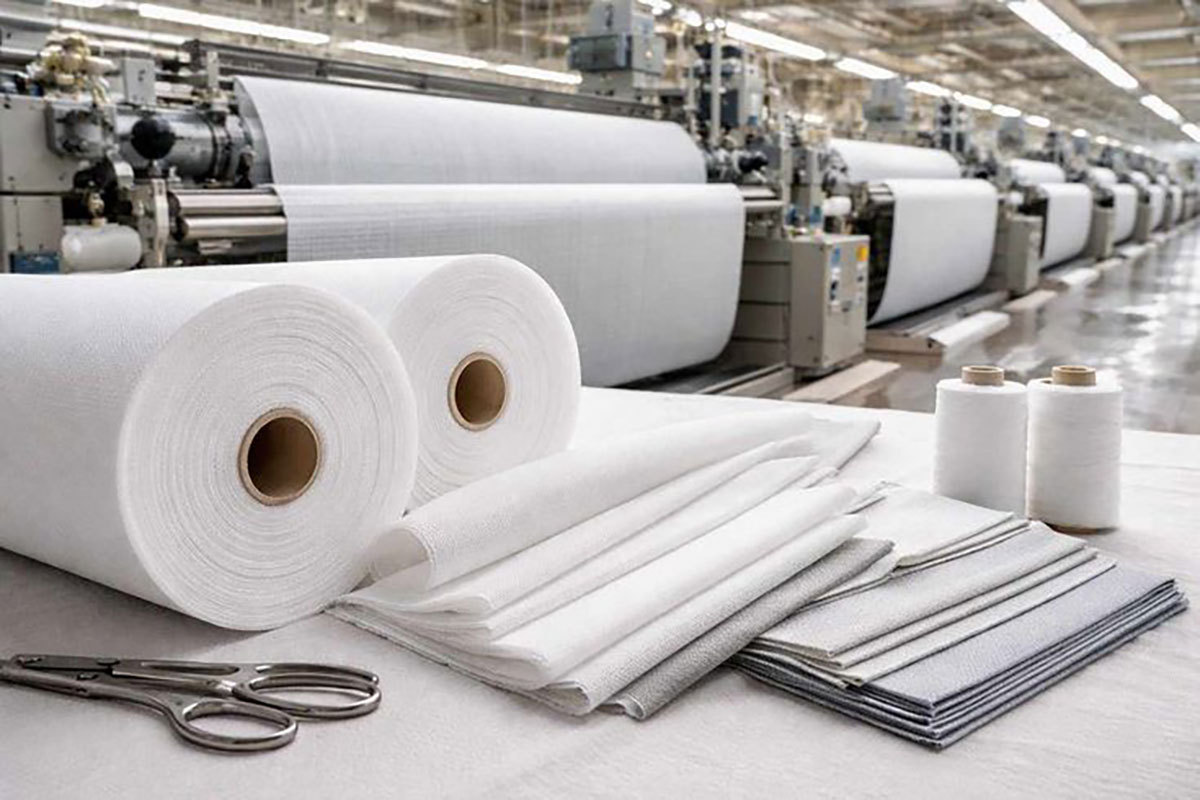
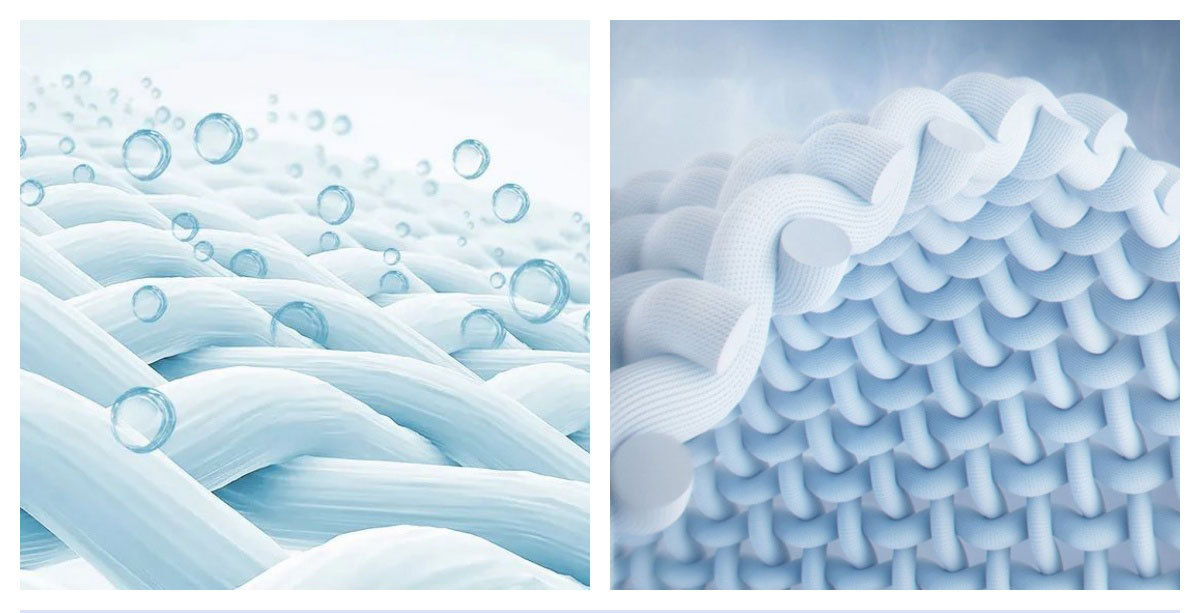
Activewear fabrics in 2026 will move beyond basic moisture-wicking functionality, evolving towards sustainability, high performance, and smart features to meet consumers' increasingly diverse demands . For an activewear production partner, mastering these cutting-edge fabric technologies is key to delivering market-leading products. As Montforge's Head of Textile Innovation, Dr. Li Wei, often states, "The future of activewear isn't just about new fibers; it's about intelligent material engineering that anticipates both consumer needs and environmental responsibilities."
1. Sustainability: The New Baseline
By 2026, sustainability will no longer be an
“add-on” but a fundamental requirement for activewear fabrics . With increasingly stringent global environmental regulations and rising consumer environmental awareness, brands must integrate sustainability into every aspect of their supply chain. Key trends include:
• Material Innovation: Recycled polyester (rPET), bio-based nylon, and biodegradable elastane alternatives are moving from niche to mainstream. These materials not only reduce reliance on virgin resources but also lower the environmental footprint of production. For example, rPET fibers made from recycled plastic bottles offer comparable performance while giving new life to waste .
• Circular Design: Brands are experimenting with mono-material knits to simplify the recycling process at the end of a product's life. This "cradle-to-cradle" design philosophy aims to minimize waste and promote a more sustainable circular economy in the textile industry.
•
Global Regulatory Drivers: New textile waste and carbon footprint standards in Europe and North America are accelerating the adoption of sustainable fabrics. For instance, the EU's "Textile Strategy" aims to promote textile sustainability and circularity, directly impacting the production standards and material choices of custom athletic wear providers.
Montforge's Solution: As a responsible activewear production specialist, Montforge deeply understands the importance of sustainable develMontforge actively collaborates with eco-friendly suppliers, prioritizing the use of recycled fabrics and environmentally friendly packaging to build a green supply chain and promote low-carbon transformation across the entire industry. Our proprietary "Green Thread Initiative" ensures that our "Fabric Solutions" not only encompass high-performance sustainable materials but also guarantee environmentally friendly production processes, helping brands meet increasingly stringent regulatory requirements and consumer expectations, and setting a new benchmark for responsible manufacturing.
2. Performance Innovation: Adapting to Multi-Scenario Needs
Modern consumers expect activewear to perform across different scenarios—from high-intensity training to daily casual wear. This means fabrics need to be multi-functional, offering performance beyond traditional moisture-wicking and stretch.
• Thermal-Adaptive Fabrics: These fabrics can automatically adjust breathability and insulation in response to changes in environment or body temperature. For example, providing extra warmth in cold conditions and effectively dissipating heat when the wearer warms up during exercise, ensuring continuous comfort .
• Antibacterial & Anti-Odor Finishes: Extending wear time without frequent washing aligns with both performance and eco-friendly goals. By reducing washing cycles, water and energy resources can be saved, and garment lifespan can be extended.
• Seamless & Engineered Knit Structures: Seamless technology offers ultimate comfort, reduces friction, and allows for differentiated functional designs in various garment areas, such as increased ventilation in high-sweat zones and compression in areas requiring support. This technology also effectively reduces waste during production.
Montforge's Advantage: Montforge invests heavily in fabric research and development. Our original equipment manufacturing (OEM)< target="_blank" class=""> services for activewear provide brands with customized fabric solutions. Our dedicated R&D team, a cornerstone of the Montforge advantage, is not just capable but proactively innovates, developing fabrics with specific functionalities—from advanced thermal regulation to integrated UV protection and rapid moisture management—ensuring unparalleled performance across diverse sports scenarios. We don't just meet specifications; we push the boundaries of what's possible
3. The Rise of Blended Fabrics: Engineering for Versatility
Blended fabrics remain central to activewear, but their role is shifting. Today's blends are no longer just about balancing cost and performance; they are engineered to match consumer lifestyle shifts and regulatory expectations.
• Recycled Polyester + Spandex: This combination offers high stretch and quick-drying properties while being sustainable. It's an ideal choice for yoga wear, running leggings, and similar products.
• Nylon + Bio-based Fibers: Nylon provides excellent abrasion resistance, while bio-based fibers add eco-friendly attributes. This blend is suitable for outdoor activewear, such as hiking jackets and pants.
• Tencel + Recycled Polyester: Tencel is known for its softness and breathability. Blended with recycled polyester, it offers a comfortable wearing experience with a lower environmental impact, suitable for everyday athleisure and yoga wear.
Montforge's Expertise: As an experienced bespoke athletic apparel provider, Montforge is proficient in the characteristics and applications of various blended fabrics. Our 'Blend Optimization Matrix' allows us to recommend or custom-develop the most suitable blending solutions based on a brand's design philosophy and target market, ensuring an optimal balance between functionality, comfort, and sustainability that often exceeds client expectations.
4. Smart & Digital-First Textiles: The Future is Now
Though still in early stages, smart textiles are gradually becoming the "next frontier" for premium activewear . Early adopters will shape consumer expectations.
• Embedded Sensors: Integrating health and fitness tracking directly into fabrics, such as monitoring heart rate, body temperature, or movement trajectories. This provides real-time data feedback for athletes and a smarter fitness experience for general consumers.
• 3D Knit Prototyping: Advanced 3D knitting technology allows brands to iterate designs faster, shorten product development cycles, and reduce the cost and material waste associated with sampling .
•
AI-Driven Material Development: Artificial intelligence is applied to predict fiber behavior and optimize blending ratios, leading to the development of new fabrics with superior performance and enhanced functionality.
Montforge's Innovation Capability: Montforge is committed to technological innovation, actively exploring the application of smart textiles and digital production. We believe that by working closely with brands and utilizing advanced production technologies and material science, we can collectively create custom-manufactured activewear products that not only lead future trends but also define them. This collaborative spirit is embedded in Montforge's 'Innovation Partnership Program', where client visions meet our manufacturing prowess to forge the next generation of activewear.
Innovate your next collection with cutting-edge fabrics.
Explore Montforge's advanced material solutions and R&D capabilities. [ Request a Fabric Consultation & Sample Kit]
Strategic Sourcing: Navigating Private Label & OEM Challenges
For brands looking to enter or expand in the activewear market, choosing the right manufacturing partner is critical for success. This involves not only product quality but also supply chain efficiency, cost control, and market responsiveness. In the realm of private label activewear and OEM activewear, strategic sourcing decisions directly impact a brand's competitiveness.
1. Balancing Low MOQ with Scalability
For emerging brands or those wishing to test new products, a low Minimum Order Quantity (MOQ) is a crucial consideration. High MOQs can lead to inventory accumulation and financial pressure. However, as a brand grows, an athletic apparel producer capable of supporting scalable production offers more cost-effective solutions. Montforge understands the diverse needs of brands, offering flexible MOQ policies through its 'Agile Production Model' while possessing robust vertically integrated manufacturing capabilities to support brands from startup to scale. This flexibility allows brands to effectively manage inventory and cash flow without compromising quality, a critical factor for both emerging labels and established brands testing new lines.
2. The Competitive Edge of Fast Sampling
In the fast-paced fashion market, rapid responsiveness is key to maintaining brand competitiveness. The shorter the time from design concept to physical sample, the faster a brand can bring products to market and seize trend opportunities. Montforge offers an industry-leading 7-15 day fast sampling service, a cornerstone of our 'Rapid Prototyping Advantage'. This isn't just about speed; it's about providing brands with a critical competitive edge to frequently launch new products, respond swiftly to market trends, and iterate designs with unparalleled efficiency. Our streamlined sampling process significantly shortens the product development cycle, offering more opportunities for refinement and optimization, ensuring the final product perfectly meets market demands and exceeds expectations.
3. Vertical Manufacturing: Reducing Lead Times and Optimizing Costs
Vertical manufacturing means that a custom sportswear supplier integrates multiple stages of the production process, from raw material sourcing to final product manufacturing, within its own system. The advantages of this model include:
• Reduced Lead Times: Less reliance on external suppliers streamlines the supply chain, significantly shortening production cycles and product delivery times.
• Optimized Costs: Internal control over production processes allows for more effective cost management, offering brands more competitive pricing.
• Quality Control: Greater control over the entire production process ensures consistent and stable product quality.
Montforge's comprehensive vertical manufacturing capabilities, encompassing everything from fabric knitting to final garment assembly, enable us to provide unparalleled efficient and reliable production services. This 'End-to-End Control' model makes us an ideal choice for brands seeking high-performance custom activewear manufacturing services, as it guarantees consistent quality, cost-effectiveness, and superior supply chain transparency
4. Case Study: How Montforge Empowers Private Label Brands
Consider 'ZenithFlow,' an emerging private label activewear brand focused on the premium yoga wear market. ZenithFlow approached Montforge with core demands for high quality, unique design, and unwavering commitment to sustainability. Their initial challenge was finding an athletic wear production partner that could offer not only low MOQs and fast sampling but also genuinely eco-friendly production capabilities without compromising on the luxurious feel and performance their brand promised.
By partnering with Montforge, ZenithFlow gained access to our 'Brand Launchpad' program, which provided:
• Custom Design Support: Montforge's design team assisted the brand in translating original design concepts into manufacturable patterns and styles, offering professional advice on fabrics and colors.
• Sustainable Fabric Sourcing: Montforge leveraged its green supply chain to source GRS-certified recycled polyester and organic cotton blend fabrics for the brand, fulfilling its commitment to eco-friendly products.
• Flexible Production Scheduling: Montforge's low MOQ policy allowed the brand to launch its initial products with reduced risk and gradually scale up production based on market feedback.
• Efficient Logistics Support: Montforge's integrated supply chain management ensured on-time product delivery, helping the brand quickly capture market share.
Ultimately, ZenithFlow, powered by its unique product vision and Montforge's robust production and strategic support, rapidly grew its market presence. Their collections, distinguished by their sustainable materials and superior craftsmanship, quickly garnered a loyal customer base, establishing a strong brand reputation. This success story vividly demonstrates the transformative impact of choosing the right bespoke athletic apparel provider for brand success, especially one that acts as a true extension of your team.
Ready to elevate your private label or OEM activewear brand?
Partner with Montforge for flexible MOQs, rapid sampling, and end-to-end manufacturing excellence.
[Get a Custom Quote for Your Next Collection]
Sustainability & Social Responsibility: A Buyer's Checklist
In today's global market, sustainability and social responsibility are no longer optional for businesses, but core elements of brand reputation, consumer trust, and market competitiveness. For European and American brands and purchasing managers, choosing a sportswear manufacturer that adheres to high standards of sustainable development practices is crucial for building a responsible supply chain. This not only meets consumers' growing environmental demands but also reduces potential regulatory risks and brand crises.
1. Green Supply Chain Management: From Source to Product
A truly sustainable custom sportswear supplier should implement green principles throughout its entire supply chain. This means minimizing environmental impact at every stage, from raw material sourcing, production, and packaging to logistics. Key considerations include:
• Eco-friendly Raw Material Sourcing : We prioritize certified sustainable fabrics such as recycled polyester (rPET), organic cotton, Tencel, Modal, and bio-based fibers. These materials typically require less energy, water, and hazardous chemicals in their production. Montfort actively collaborates with environmentally conscious suppliers to ensure that all fabrics used meet international sustainability standards, such as GRS certification, providing brands with reliable options for finding environmentally conscious apparel manufacturers in China . Our rigorous Supplier Audit Program goes beyond certification; it also assesses our partners' ongoing improvements in sustainable practices and ethical sourcing.
• Responsible Production Partners : Ensure all partners in the supply chain comply with environmental regulations and take steps to reduce carbon emissions, treat wastewater, and manage waste. This includes conducting regular environmental audits of suppliers to verify their sustainability practices.
• Sustainable packaging : Minimize the use of packaging materials and choose packaging made of recyclable, biodegradable or renewable materials to reduce the environmental impact at the end of the product's life cycle.
Montforge has built an end-to-end green supply chain through close collaboration with environmentally conscious suppliers. We focus not only on the sustainability of fabrics but also on environmentally friendly production processes, aiming to drive the low-carbon transformation of the entire industry. This holistic approach, which we call “Sustainable Collaboration,” ensures that every step from fiber to garment adheres to the highest ecological principles.
2. Energy-saving and environmentally friendly production processes: reducing carbon footprint.
The production process is another key aspect of achieving sustainability. Advanced sportswear original equipment manufacturers (OEMs) invest in energy-efficient technologies and environmentally friendly production methods to minimize their environmental impact. This includes:
• Energy efficiency : Employing efficient production equipment and optimizing manufacturing processes to reduce energy consumption. For example, using solar energy or other renewable energy sources to power the factory, or implementing an energy management system to monitor and optimize energy use.
• Water resource management : Employ water-saving technologies such as water recycling systems and low-water-consumption dyeing techniques during the dyeing and washing processes, and ensure that wastewater is treated to meet discharge standards.
• Reduce waste : Minimize production waste by optimizing cutting, recycling scraps, and reducing chemical use. Unavoidable waste will be properly sorted and disposed of.
Montfort actively employs energy-saving technologies and environmentally friendly manufacturing methods in its production processes, effectively reducing emissions of waste gas, wastewater, and production residues, firmly fulfilling its commitment to low-carbon production and environmental protection. Our "Eco-Efficiency Agreement" combines advanced machinery with optimized workflows, making Montfort the ideal partner for brands seeking eco-friendly sportswear production solutions that deliver measurable environmental benefits.
3. Ethical Labor Practices and Community Impact: A People-Centered Approach
Social responsibility is an integral part of sustainable development. Responsible private-label sportswear suppliers not only focus on environmental protection but also on employee well-being and community development. This includes:
• Fair working environment : Providing a safe and healthy working environment, ensuring employees receive fair wages, reasonable working hours and rest periods, and prohibiting child labor and forced labor. Montfogger's BSCI accreditation demonstrates its consistent adherence to international labor standards, reflecting our "people-centric" philosophy that values every member of the production ecosystem.
• Employee Development and Benefits : We provide employees with ongoing skills training and career development opportunities, as well as comprehensive benefits, fostering a positive and supportive corporate culture. Montfort values the growth and well-being of every team member and is committed to creating a warm and friendly workplace culture.
• Community Engagement : Actively participate in community welfare activities and give back to the community. For example, Montfort regularly donates to schools in underdeveloped areas to support education and create better learning opportunities for children. We formally put this community commitment into practice through our "Community Enhancement Program," further enhancing Montfort's brand image and social value as a custom sportswear supplier , fully demonstrating that our influence extends far beyond the factory floor.
4. "Environmental protection" as a driving factor for Western consumer conversion
For consumers in European and American markets, the environmental attributes and social responsibility of products have become important factors in purchasing decisions. A survey shows that more and more consumers are willing to pay a premium for sustainable products. Brands that can clearly communicate the environmental characteristics of their products and responsible production processes can more easily win over consumers and enhance brand loyalty. Partnering with sportswear manufacturers like Montforge, which have strong sustainability capabilities and transparent reporting systems , allows brands to promote their "green" products with greater confidence. This not only resonates with environmentally conscious consumers but also leads to higher conversion rates and market share, translating ethical practices into tangible business growth.
Build a truly sustainable activewear brand.
Discover Montforge's commitment to eco-friendly production and ethical labor practices.
[Learn More About Our Sustainable Manufacturing]
Conclusion and Transformation: Working Together to Create a Successful Future
The sportswear market in 2026 presents both opportunities and challenges. From its multi-billion dollar market size to evolving consumer demands, from cutting-edge fabric innovation to increasingly stringent sustainability standards, brands and purchasing managers must take a strategic look at the entire industry. The key to success lies in selecting a custom sportswear supplier who understands and can meet these complex needs .
With over 15 years of experience in OEM/ODM sportswear manufacturing , Montforge has become the preferred partner for numerous international brands, thanks to its outstanding capabilities in vertically integrated production, rapid prototyping, fabric innovation, and sustainability. We not only provide high-quality customized sportswear and private-label sportswear solutions, but also are committed to growing alongside brands, addressing market challenges, and seizing future opportunities.
We understand that your brand needs more than just suppliers; it needs strategic partners. Montfort is committed to providing:
• Unparalleled expertise : From design to production, ensuring perfection in every detail.
• Efficient and flexible supply chain : Low minimum order quantity, fast sampling and vertical integration help brands respond quickly to market demands.
• A firm commitment to sustainable development : green supply chains, environmentally friendly production, and ethical labor to enhance the social value of the brand.
• Excellent quality assurance : Multiple international certifications ensure that products meet the highest standards.
Take action now and join hands with Montfog to create a brilliant future!
Whether you are an established company seeking bulk custom sportswear or an emerging brand looking for a supplier of your own brand of fitness apparel , Montforge is your most trusted partner. We look forward to building a long-term partnership with you to create trendsetting, consumer-loved sportswear products.
Action calls oriented towards transformation:
• Get a free sample : Experience firsthand Montforge's exceptional quality and craftsmanship.
• Request a customized quote : Get a detailed production plan and quote tailored to your specific needs.
• Visit the Montforge website to learn more about our products, services, and sustainability practices.
Ready to elevate your activewear brand with a trusted partner?
Montforge is here to turn your vision into reality.
[ Request a Free Consultation Today]

Frequently Asked Questions about Sports Apparel Purchasing
To further assist brands and purchasing managers in their sourcing efforts, here are answers to some frequently asked questions about sportswear manufacturing and supply chain partnerships.
Question 1: What is the difference between a sportswear manufacturer and a sportswear production company?
A: While the terms "sportswear manufacturer" and "sportswear production company" are often used interchangeably, "sportswear manufacturer " is a broader concept that can encompass any entity involved in the marketing of sportswear, including design firms, brand owners, and even fabric suppliers. " Sportswear production company," on the other hand, specifically refers to the entity responsible for the actual production of the apparel. Montforge is both a comprehensive sportswear manufacturer and a specialized sportswear production company , providing end-to-end solutions from design to delivery.
Q2: How do I find a reliable supplier of custom sportswear for my brand?
A: Finding a reliable custom sportswear supplier requires evaluating several key factors: their experience and track record, production capacity (e.g., vertical integration, flexibility in minimum order quantities), quality certifications (e.g., BSCI, GRS, OEKO-TEX), commitment to sustainability, and transparency in communication. Requesting samples, conducting factory audits whenever possible, and verifying referrer information are crucial. As a custom sportswear supplier , Montforge excels in all of these areas, offering transparent processes and certified quality assurance.
Q3: What are the benefits of choosing a partner for your own brand of sportswear?
A: By partnering with private label sportswear experts, brands can launch unique products under their own brand without investing in their own production infrastructure. The advantages include cost-effectiveness, fast time to market, access to expert design and manufacturing technologies, and efficient scaling up of production. Montforge provides comprehensive private label solutions, helping brands easily create distinctive product lines.
Q4: What aspects should I pay attention to when choosing an OEM partner for high-performance sportswear?
A: For OEM manufacturers focused on high-performance sportswear , when seeking partners, it's crucial to consider their strong R&D capabilities in fabric innovation (e.g., thermally adaptable, antimicrobial, and smart fabrics), advanced pattern engineering, and a deep understanding of functional design. Furthermore, experience in professional sewing, bonding, and quality control for sportswear is also essential. Montforge offers advanced sportswear OEM services , leveraging its R&D and technical expertise to produce cutting-edge high-performance apparel.
Q5: How important is sustainability when choosing a sportswear manufacturing partner?
A: Sustainability is paramount. Consumers are increasingly valuing environmentally friendly and ethical products. Choosing a sustainable sportswear manufacturing partner means committing to environmental protection (e.g., using recycled materials, employing energy-efficient processes) and social responsibility (e.g., fair labor practices, obtaining BSCI certifications, etc.). Choosing an environmentally conscious sportswear manufacturing partner like Montforge not only aligns with consumer values but also helps brands comply with evolving global regulations and enhance their brand reputation.
Q6: What is the typical delivery time for a bulk custom sportswear order?
A: Delivery times for branded bulk custom sportswear can vary significantly depending on order complexity, quantity, fabric availability, and supplier production capacity. However, highly efficient sportswear manufacturers with vertical integration capabilities, like Montforge, can significantly shorten delivery times. Montforge also offers rapid prototyping services (7-15 days) to expedite the early stages of product development, ensuring your product lines reach the market faster.
Q7: Can Montforge assist in the design and development of a new sportswear line?
A: Absolutely. Montforge is more than just a manufacturer; we are a full-service
supplier of custom sportswear
. Our team provides comprehensive design and development support, including concept realization, technical pattern design, fabric and color development, and functional detail integration. We work closely with brands to translate their visions into high-quality, market-driven sportswear collections.