10 Questions to Ask Before Choosing a Sportswear OEM Partner
Choosing a sportswear OEM partner is one of the highest-leverage decisions a fitness, athleisure, or performance brand will make. The wrong factory quietly drains margin through fabric failures, missed seasons, and sizing drift; the right one becomes a growth engine. At MontForge we have audited dozens of production floors across Asia and Europe, and the brands that win almost always ask the same disciplined questions before they ever sign. This guide consolidates those questions into a practical 10-point framework you can use on your next supplier call.
Ready to vet your supplier? Start Vetting Your OEM Partner →
Why the Right Sportswear OEM Partner Defines Your Brand
The global sportswear market surpassed USD 480 billion in 2025, and competition is no longer about design alone—it is about who can deliver consistent quality, certified compliance, and fast development. Most painful sourcing stories share the same root cause: a partner was chosen on price instead of verified capability. When you ask detailed questions early, you cut the risk of fabric failures, production delays, MOQ misunderstandings, and rework costs before they reach your customers.
1. What Certifications Do You Hold?
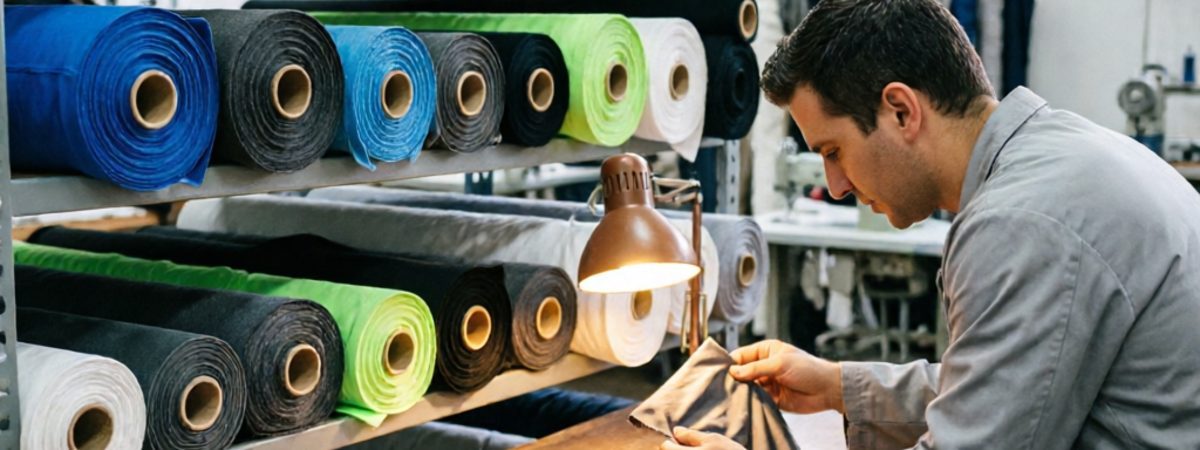
Certifications are evidence layers, not marketing brochures. For sportswear, the most decision-relevant credentials are ISO 9001 (quality management baseline), OEKO-TEX® Standard 100 (proves fabrics are free from harmful substances—look for Product Class II for close-to-skin wear), GRS (Global Recycled Standard; mandates 20% recycled content, 50% to print the logo, plus a shipment-specific Transaction Certificate), and social-compliance audits such as BSCI, WRAP, or SMETA. ISO 14001 covers environmental management, and Disney FAMA signals IP protection for licensed work.
| Certification | What it proves | Why it matters to your brand |
|---|---|---|
| OEKO-TEX® 100 | No harmful chemicals on fabric, trims, labels | Skin-safe gear; clears tightening customs rules on PFAS |
| GRS | Verified recycled content & chain of custody | Defensible "recycled" claims; eco credibility |
| BSCI / WRAP | Ethical labor & social compliance | Required by EU/US retailers; protects reputation |
| ISO 9001 | Documented quality management system | Repeatability from sample to bulk |
Need proof before you commit? Request Certification Verification →
2. What Is Your MOQ and Sampling Timeline?
Minimum order quantities and sampling speed determine how fast you can validate a concept and how much inventory risk you carry. Capable low-MOQ partners typically run 100–200 pieces per style per color, with sampling in 7–15 days and bulk production in 25–45 days. Ask for the exact minimum per style, color, and size—web listings often overstate flexibility. A fast sampling turnaround (about 7–10 days) is a positive indicator of an in-house pattern room and responsive development team.
- Exact MOQ per style / color / size—not a vague "500 units"
- Sampling lead time split from bulk lead time
- Whether paid pilot runs (≈50–100 pcs) are accepted for new styles
3. Can You Handle Bulk Orders at Scale?
Many suppliers perform well on small orders; the challenge begins at growth. Ask about monthly capacity, additional production lines, peak-season planning, and fabric-sourcing networks. A true production partner supports you from startup quantities to repeat seasonal programs. Look for vertically integrated operations—owned fabric mills or in-house knitting, cutting, sewing, and QC—because integration tightens quality control and shortens turnaround.
4. What Quality Control Processes Do You Use?
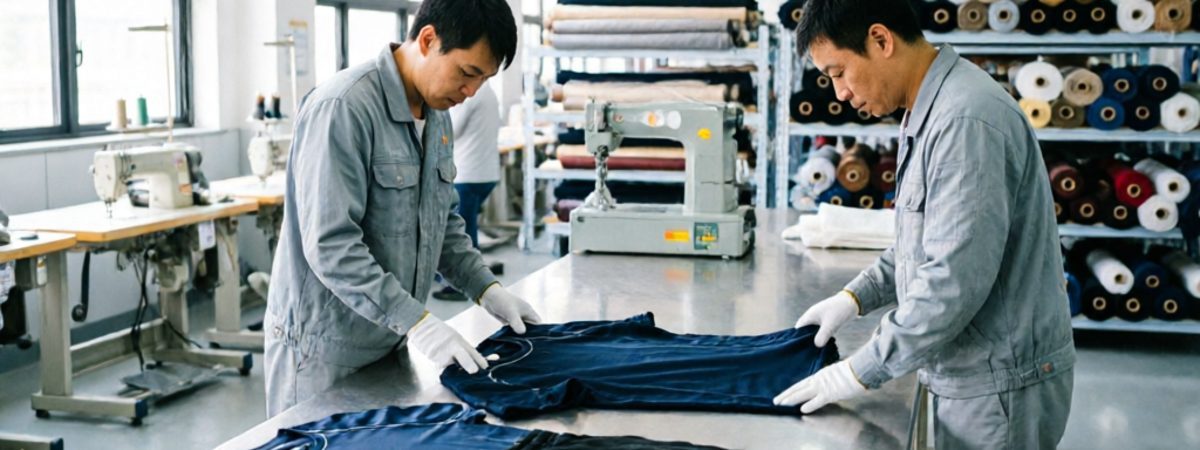
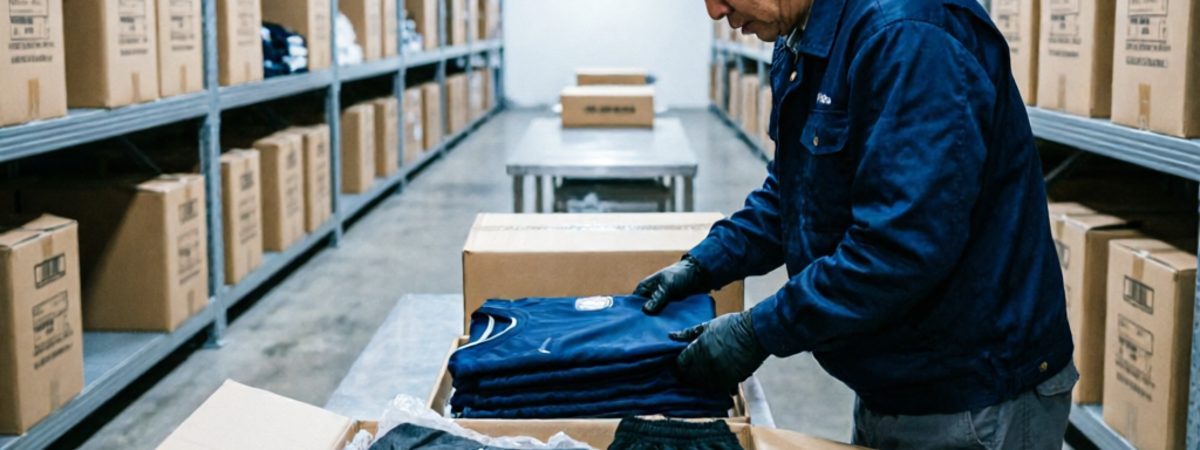
Quality control should never occur only at final inspection. A reliable OEM performs checks at multiple stages: fabric inspection, cutting inspection, printing/embroidery inspection, sewing inspection, packing inspection, and a final AQL 2.5 random inspection. Ask for the QC procedure document, sample inspection reports, defect-classification standards, and measurement-tolerance standards. Keep a signed golden sample to measure the final shipment against.
- Inline checks during production (not just pre-shipment)
- Pre-shipment inspection (PSI) before the 70% balance is paid
- Third-party inspection availability (SGS, Bureau Veritas)
5. Can You Help With Design and Development?
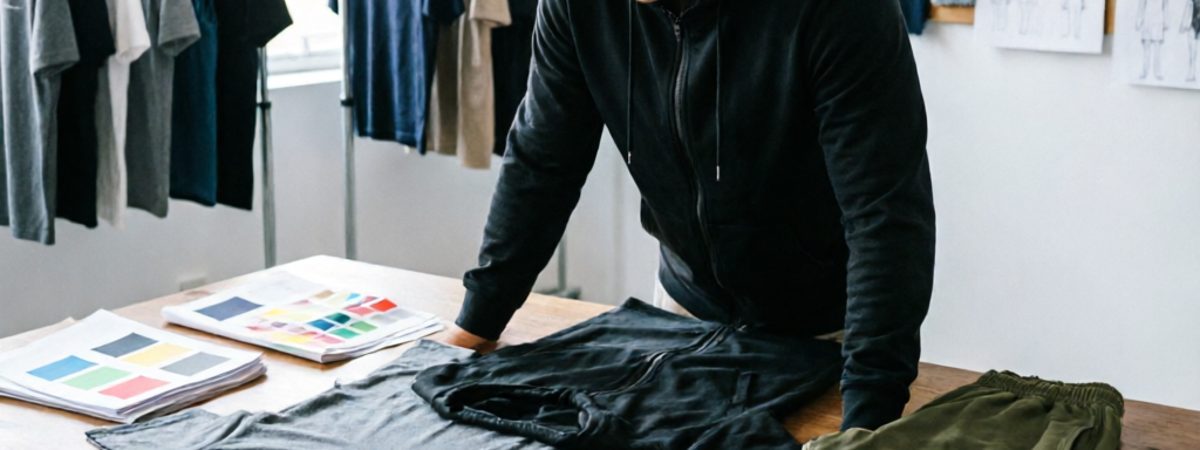
For private-label and custom brands, development support is where a partner earns its fee. Confirm whether they offer tech-pack creation, in-house pattern making, CAD/3D design, and grading. Clarify the engagement model: OEM (your designs + tech pack), ODM (factory-developed styles you brand), or full-package turnkey. A strong partner can translate a sketch or reference garment into a production-ready sample and advise on technical limitations and cost before development begins.
6. How Do You Ensure Sizing Consistency?
Sizing drift is one of the most expensive sourcing mistakes—returns, retailer complaints, and inventory write-offs all trace back to it. Ask how grading is performed, what tolerance standards apply, and what the fit-approval process looks like. Insist on fit samples before bulk; the correction cost of skipping them is almost always higher than proper sampling. Stable sizing and precise workmanship are what win repeat purchases.
7. What Customization Options Are Available?
For private-label brands, customization goes beyond a logo. Confirm the range: custom fabrics, sublimation printing, silicone logos, reflective transfers, woven labels, hangtags, and custom packaging. A capable supplier explains both the technical limits and the cost implications of each option up front, so there are no "surprise" invoices at bulk stage.
8. How Transparent Is Your Production Communication?
A good manufacturer acts as a strategic partner, not just a vendor. Evaluate their ability to reply within 24 hours, provide regular production-progress reports, and support flexible MOQs or mixed-style batches. Bilingual teams and ERP-based updates remove the telephone game between sampling and shipment—real-time coordination is what keeps a launch on schedule.
9. What Are Your Payment Terms and Incoterms?
Protect your cash flow with clear commercial terms. Common structures are a 30% deposit with the remaining 70% against the bill of lading or before shipment, under Incoterms such as FOB, CIF, or DDP. Compare true landed cost—a low FOB price can hide logistics, duties, and quality risk. Sign an NDA/NNN before development and define specific remedies for defects in the contract.
10. Can You Support Long-Term Growth?
The best supplier is not necessarily the cheapest; it is the one that helps you deliver consistent product to market with predictable results, season after season. Ask how they plan capacity for your growth, how they manage reorder cycles, and whether they can develop new categories as your brand expands. A partner aligned with your quality, ethical, and innovation goals is an asset that compounds.
The Buyer's Pre-Production Checklist
Before placing an order, confirm in writing that your partner can clearly provide:
Valid certification numbers (OEKO-TEX, GRS, BSCI/WRAP)
Exact MOQ, sampling (7–15 d) and bulk (25–45 d) timelines
Fabric test reports & AQL 2.5 QC procedure
Tech-pack / pattern support and fit-approval process
Sizing standards & bulk consistency controls
Capacity planning & transparent communication
Planning your next collection? Get a Free Sourcing Consultation →
Frequently Asked Questions
How many suppliers should I compare before choosing one?
Most professional buyers compare three to five suppliers. That provides enough data on pricing, capability, communication, and reliability without creating sourcing overload.
Is the lowest MOQ always the best choice?
Not necessarily. Lower MOQ often means higher unit cost, fewer fabric options, and less customization. Evaluate total project value rather than MOQ alone.
How can I reduce bulk production risk?
Approve fit samples, review fabric test reports, confirm specifications in the tech pack, and implement clear quality standards before manufacturing begins. Independent pre-shipment inspection adds a final safety net.
Conclusion
Asking these ten questions turns supplier selection from a price comparison into a risk-management process. The brands that scale are the ones that verify certifications, pin down MOQ and lead times, audit quality systems, and confirm a partner can grow with them. Use the checklist above on your next factory call—and explore more sourcing playbooks in our blog or learn how MontForge builds certified, consistent production on our about page.