The Ultimate Guide to Custom Men's Sportswear Manufacturing: From Concept to Bulk Production
Introduction: The Rise of Custom Sportswear Brands
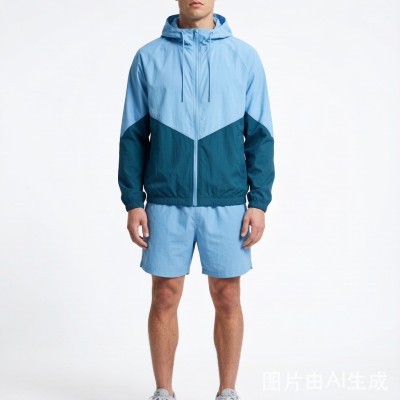
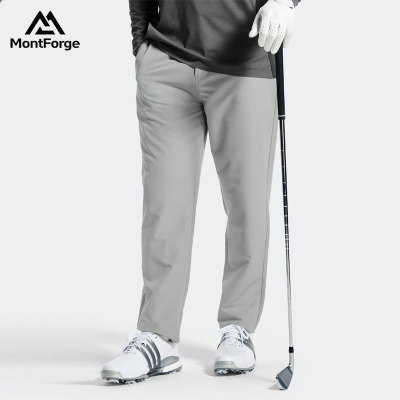
The global men's activewear market is projected to surpass $250 billion by 2027, fueled by a fundamental shift in how men dress. The lines between gym wear, streetwear, and everyday casual have blurred. Today's male consumer expects apparel that performs in the gym, looks good on the street, and reflects a brand identity he believes in.
This explosive demand has opened the door for a new generation of independent sportswear brands. But here's the challenge that stops most founders in their tracks: how do you go from a design concept to a finished garment sitting on a retail shelf?
The custom sportswear manufacturing process involves multiple technical stages — design development, fabric sourcing, pattern making, sampling, bulk production, quality control, branding, and logistics. Each stage is a potential pitfall for the unprepared.
In this guide, we break down every step of the men's sportswear manufacturing journey, drawing on years of experience working with emerging and established sportswear brands.
Step 1: Concept and Design Development
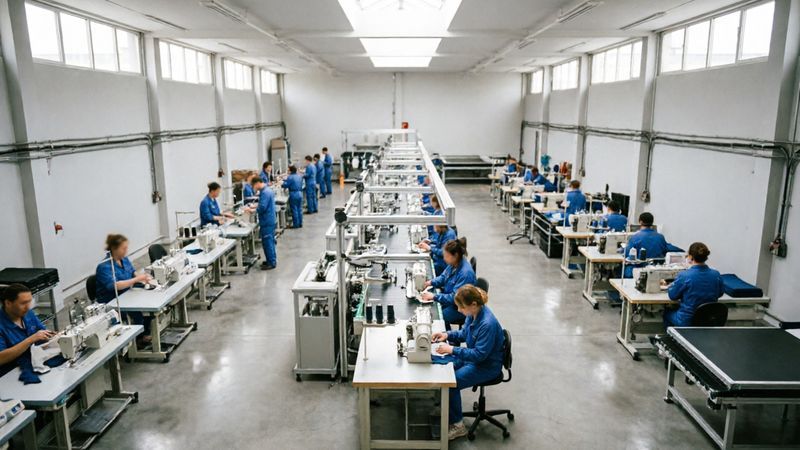
Every great garment starts with a clear design intent. In sportswear manufacturing, a sketch on a napkin won't cut it. You need a tech pack — the engineering blueprint of your product.
What Is a Tech Pack?
A tech pack communicates every detail of your design to the factory and eliminates ambiguity. A professional tech pack typically includes:
- Technical Flat Sketches — Front and back views of the garment with all construction details annotated.
- Bill of Materials (BOM) — Every component listed with specifications: "230 GSM, 78% Nylon 66 / 22% Spandex."
- Graded Size Specifications — Precise measurements for every size point from XS to XXL.
- Construction Details — Stitch types such as flatlock at side seams, double-needle at hem, seam allowances, and reinforcement points.
- Artwork and Color References — Vector files for logos, Pantone color codes, and placement diagrams.
Pro Tip: A vague or incomplete tech pack is the number one cause of production errors. Invest the time upfront to document every detail. The cost of fixing a factory mistake later is 10-100x the cost of getting the tech pack right the first time.
Working with Pattern Makers
Once your tech pack is ready, a pattern maker converts your 2D design into 3D templates using CAD software such as Gerber or Lectra. These digital patterns are then graded — scaled up or down — to create a full size run. The pattern maker also performs marker making, optimizing fabric layout to minimize waste. Experienced manufacturers employ in-house pattern makers who specialize in performance fits — compression zones, gusseted crotches for mobility, and raglan sleeves for shoulder range of motion.
Step 2: Fabric Selection — Performance vs. Sustainable Options
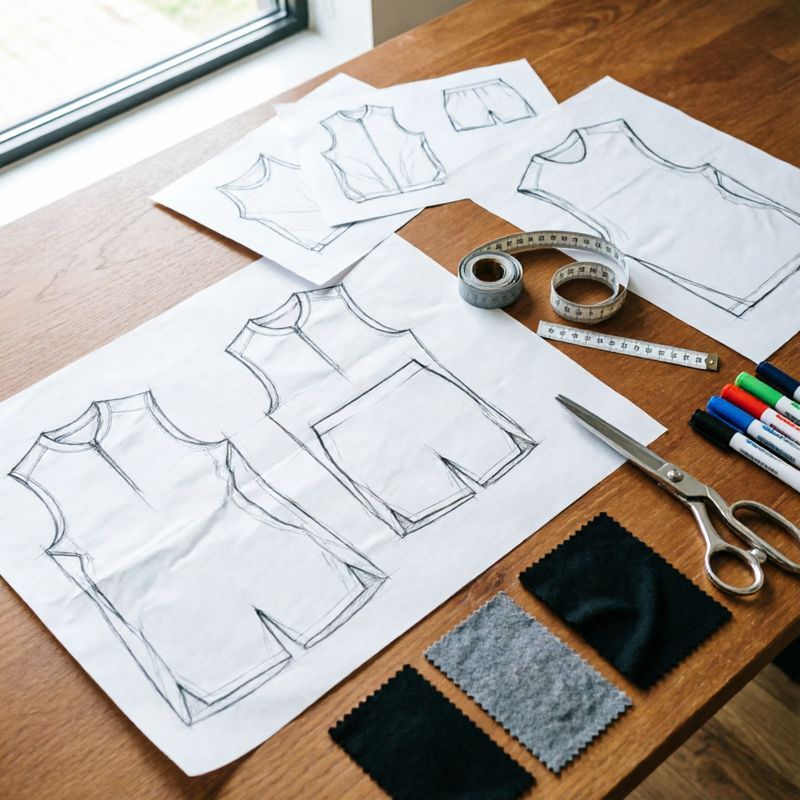
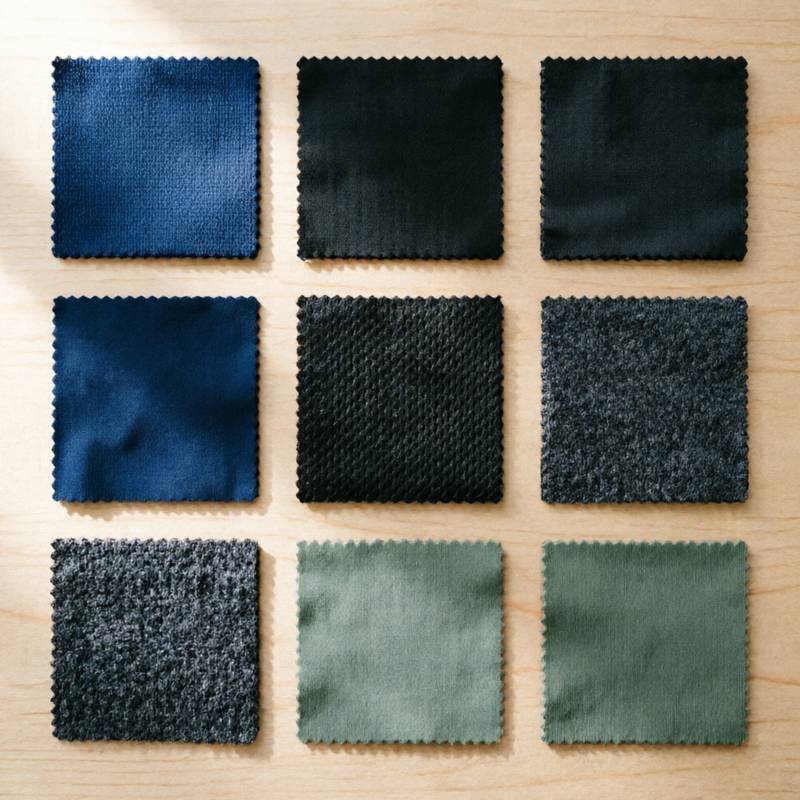
Fabric is the soul of any sportswear product. The wrong fabric choice — poor drape, inadequate stretch, pilling after three washes — can destroy your brand's reputation.
Core Performance Fabrics for Men's Sportswear
| Fabric | Key Properties | Best For | Typical GSM |
|---|---|---|---|
| Nylon 66 / Spandex | Exceptional durability, 4-way stretch, compression | Compression leggings, fitted tops, training shorts | 220–250 |
| Polyester / Spandex | Lightweight, quick-drying, moisture wicking | Running tops, jerseys, gym shirts | 140–180 |
| Nylon / Polyester Blend | Softness with durability, good color retention | Hybrid training wear, outerwear | 180–220 |
| Cotton / Polyester Blend | Soft hand feel, breathable, casual aesthetic | Athleisure, lifestyle wear, hoodies | 240–300 |
| Recycled Polyester (rPET) | Same performance as virgin polyester | Sustainable collections, eco-focused branding | Varies |
Sustainable Fabric Innovations
Sustainability is no longer a niche selling point — it's a baseline expectation for many buyers. Leading manufacturers now offer:
- Recycled Polyester (rPET) — Made from post-consumer plastic bottles, reduces carbon emissions by up to 75%.
- Seawool — An innovative blend of recycled oyster shells and recycled plastic bottles, with Merino-wool softness and faster drying.
- Tencel (Lyocell) — Made in a closed-loop process that recovers 99% of solvents. Naturally moisture-wicking and biodegradable.
Key Decision: For a premium men's activewear line, we recommend 220-250 GSM Nylon 66 / Spandex blends for bottoms and 140-180 GSM Polyester / Spandex for tops. These combinations offer the ideal balance of performance, comfort, and durability.
Step 3: Sampling — How 7-15 Day Turnaround Works
Sampling is where your design comes to life for the first time. A 7-15 day sampling turnaround is the industry benchmark, but speed depends heavily on the quality of your tech pack.
The Sampling Process
- Development Sample (1st Proto) — The first physical manifestation of your design. Confirms overall look, silhouette, and fabric hand feel. Expect revisions — this is normal and healthy.
- Fit Sample — Sewn in the correct fabric, tested on a live model or dress form. Adjustments are made to proportions, seam placement, ease, and range of motion.
- Pre-Production Sample (PPS) — The "golden sample." Made with production-intent materials and processes. Once approved, bulk production begins.
Critical Rule: Never skip the PPS. Always insist on a physical pre-production sample made with the actual production fabric and trims. Approving a sample based on a digital image alone is one of the riskiest moves in sportswear manufacturing.
What to Check During Sample Review
- Fit and Proportion — Does it fit true to size? How does it move during a squat, a lunge, or a stretch?
- Fabric Hand Feel — Does the fabric feel as expected? Any stiffness or roughness?
- Color Accuracy — Match against your Pantone reference under natural and artificial light.
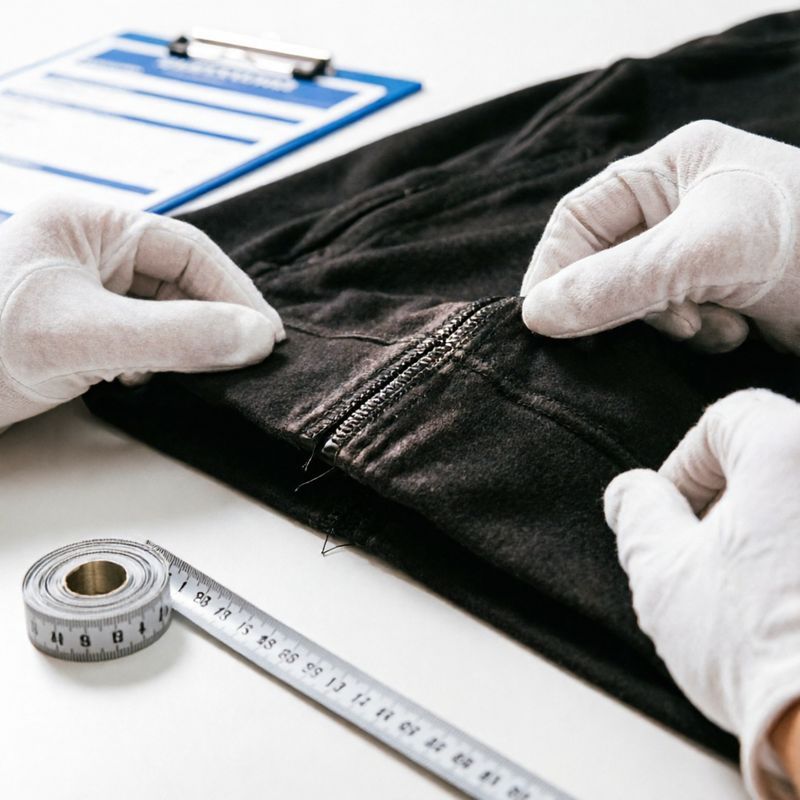
- Stitch Quality — Check stitches per inch (SPI), seam puckering, and flatlock smoothness.
- Logo and Branding Placement — Position, alignment, and quality of any print or embroidery.
Step 4: Bulk Production — MES-Driven Quality Control
Once the PPS is approved, your order moves into bulk production. The best manufacturers operate a Manufacturing Execution System (MES) — a digital backbone that tracks every garment through the production line in real time.
How MES Transforms Sportswear Production
An MES collects data from every workstation — cutting, sewing, finishing, inspection — providing real-time visibility:
- Real-Time Production Tracking — Know exactly how many units have passed each stage at any moment.
- Defect Detection — Machine sensors flag anomalies instantly, before defective units multiply.
- Full Traceability — Every garment can be traced back to the fabric roll, sewing operator, and inspection station.
- 99%+ On-Time Delivery — MES-driven factories consistently outperform traditional ones.
The Four Stages of QC in Bulk Production
| QC Stage | What's Checked | Standard |
|---|---|---|
| 1. Incoming Fabric Inspection | Fabric defects, color consistency, GSM verification | 4-point system |
| 2. In-Line Inspection | Stitch quality, panel alignment, seam strength | Real-time per station |
| 3. Final Random Inspection | Measurements, construction, labeling, overall appearance | AQL 2.5 (ANSI/ASQ Z1.4) |
| 4. Performance Lab Testing | Colorfastness, shrinkage, seam slippage, pilling | AATCC / ISO standards |
Key manufacturing techniques for premium men's sportswear include flatlock seams for chafe-free comfort, bar tacking at stress points for durability, and automated cutting for millimeter precision with reduced fabric waste.
Step 5: Branding and Packaging — Logo Application Methods
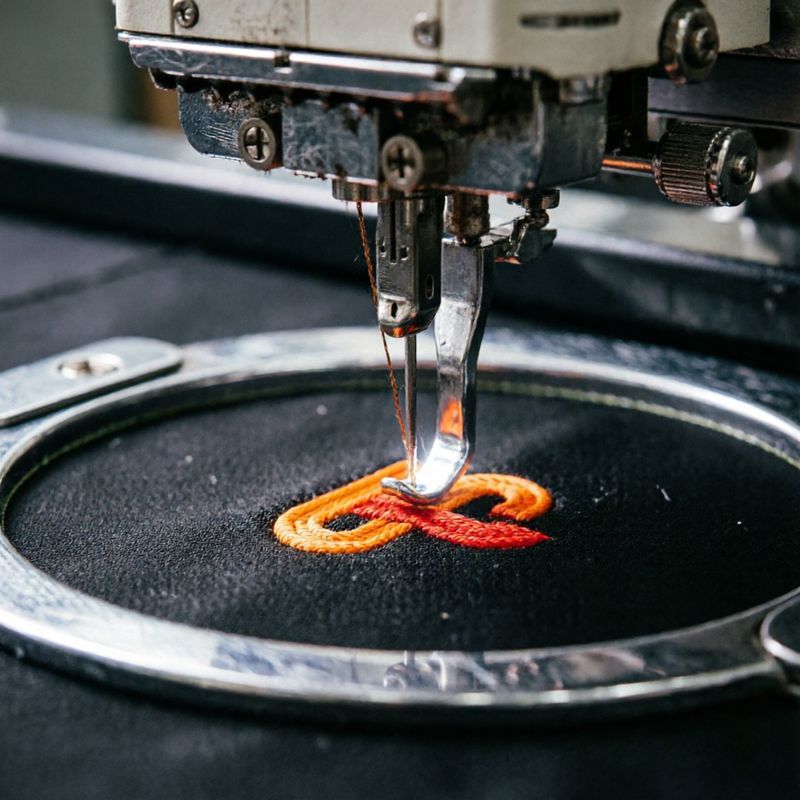
Your product's branding is the first thing a customer notices. Your logo needs to survive hundreds of washes, stretches, and wears without cracking, peeling, or fading.
Logo Application Methods Compared
| Method | Best For | Durability | Key Considerations |
|---|---|---|---|
| Sublimation | All-over prints, polyester garments | High | Dye becomes part of the fabric — no peeling, no cracking, completely breathable |
| Heat Transfer | Small to medium logos, low MOQ | Medium-High | Best for small batches; premium transfer films offer excellent wash durability |
| Embroidery | Hoodies, jackets, polo shirts | Very High | Premium look and feel; not suitable for high-stretch performance fabrics |
| Screen Printing | Bold logos, large volumes, cotton blends | High | Vibrant colors, cost-effective at scale |
| DTG (Direct-to-Garment) | Small batches, detailed artwork | Medium | Good for sampling and pilot runs |
Packaging That Builds Brand Equity
Packaging is the physical handshake between your brand and your customer:
- Custom Hang Tags — Include care instructions, material certifications, and your brand story.
- Branded Poly Bags — Protect the garment and reinforce brand identity on the retail floor.
- Eco-Friendly Packaging — Compostable mailers or recycled cardboard align with modern consumer values.
Case Study: Montirex — From 30 Pieces to £130M
Few stories illustrate the power of the right manufacturing partnership better than Montirex. Founded in 2019 by Daniel Yuen and Kieran Riddell-Austin from their living room in Liverpool, the brand started with just three t-shirt designs and a production run of 30 pieces.
What Made the Difference?
- Product Quality First — From day one, the brand prioritized fabric quality and fit over aggressive marketing.
- Strategic Manufacturing Partnership — Working with a partner that offered flexible MOQs, consistent quality, and the ability to scale without compromising standards.
- Community and Athlete Endorsements — Building authentic connections with fighters and fitness influencers created grassroots credibility.
Checklist: How to Choose Your Sportswear Manufacturing Partner
Selecting the right factory is the most consequential decision for a sportswear brand:
- Certifications and Compliance — Does the factory hold ISO 9001, BSCI, OEKO-TEX, or GRS?
- Product Specialization — Does the factory specialize in men's sportswear, or is it a general apparel factory?
- MOQ Flexibility — Can they accommodate low MOQs (100-300 pieces) for initial runs?
- Sampling Speed — Do they deliver first samples in 7-15 days? How many sample rounds are included?
- MES and Digital Infrastructure — Do they use a Manufacturing Execution System for real-time tracking?
- Fabric Sourcing — Can they source sustainable and performance fabrics?
- Branding Capabilities — Do they offer sublimation, heat transfer, embroidery, and screen printing in-house?
- Communication — Is there a dedicated account manager? How quickly do they respond?
- Lead Times and Reliability — What is the typical turnaround from PPS approval to shipment?
- References and Case Studies — Can they provide references from brands at your stage of growth?
Recommendation: Start with a small test order (100-300 pieces) to evaluate quality, communication, and reliability before committing to large-scale production.
Frequently Asked Questions
What is the typical MOQ for custom men's sportswear manufacturing?
Most professional sportswear manufacturers require 150-500 pieces per color per style for fully custom designs. Many manufacturers now offer low-MOQ options starting at 100-300 pieces per design, especially for brands that use stock fabrics.
How long does the entire manufacturing process take?
From final tech pack approval to delivery, the full cycle typically takes 10-14 weeks: Sampling 1-2 weeks, fabric sourcing and dyeing 3-4 weeks, bulk production 4-6 weeks, and sea freight shipping 3-5 weeks. Air freight is available for urgent orders, reducing shipping time to 5-7 days.
What's the difference between OEM and ODM?
OEM (Original Equipment Manufacturing) means you provide the complete design — tech pack, measurements, fabric specs — and the factory produces to your exact requirements. ODM (Original Design Manufacturing) means the factory offers existing base styles that you can customize with your logo, colors, and minor modifications. ODM is faster for market entry; OEM offers full control and differentiation.
How can I ensure my custom sportswear meets EU/US safety standards?
Work with a factory that understands international compliance. Key standards include REACH for EU chemical safety, CPSIA for US consumer product safety, OEKO-TEX Standard 100 for harmful substances, and FDA requirements for antimicrobial claims. Choose a manufacturer that provides test reports and compliance documentation for each production batch.
Conclusion: Your Sportswear Brand Starts Here
Custom men's sportswear manufacturing is a complex, multi-stage process — but it's a process that can be mastered. The brands that succeed are the ones that invest time upfront in their tech packs, choose their fabric carefully, respect the sampling process, and partner with a manufacturer that has the right infrastructure, expertise, and values.
Whether you're launching a brand from your living room — like Montirex did — or expanding an established line into new categories, the principles are the same: clarity in design, discipline in production, and consistency in quality. Contact us to discuss how we can bring your sportswear vision to life.