Technical Fabrics Decoded: 4-Way Stretch, Moisture-Wicking, and Beyond
When sourcing performance apparel, selecting the right fabric is the single most important decision you will make. A garment can have the best design in the world, but if the fabric does not deliver on stretch, breathability, moisture management, or durability, your customers will notice — and they will not come back. This guide breaks down the seven most important technical fabric categories every activewear brand, sportswear buyer, and product developer needs to understand before placing their next production order.
1. What Is 4-Way Stretch and Why Athletes Need It
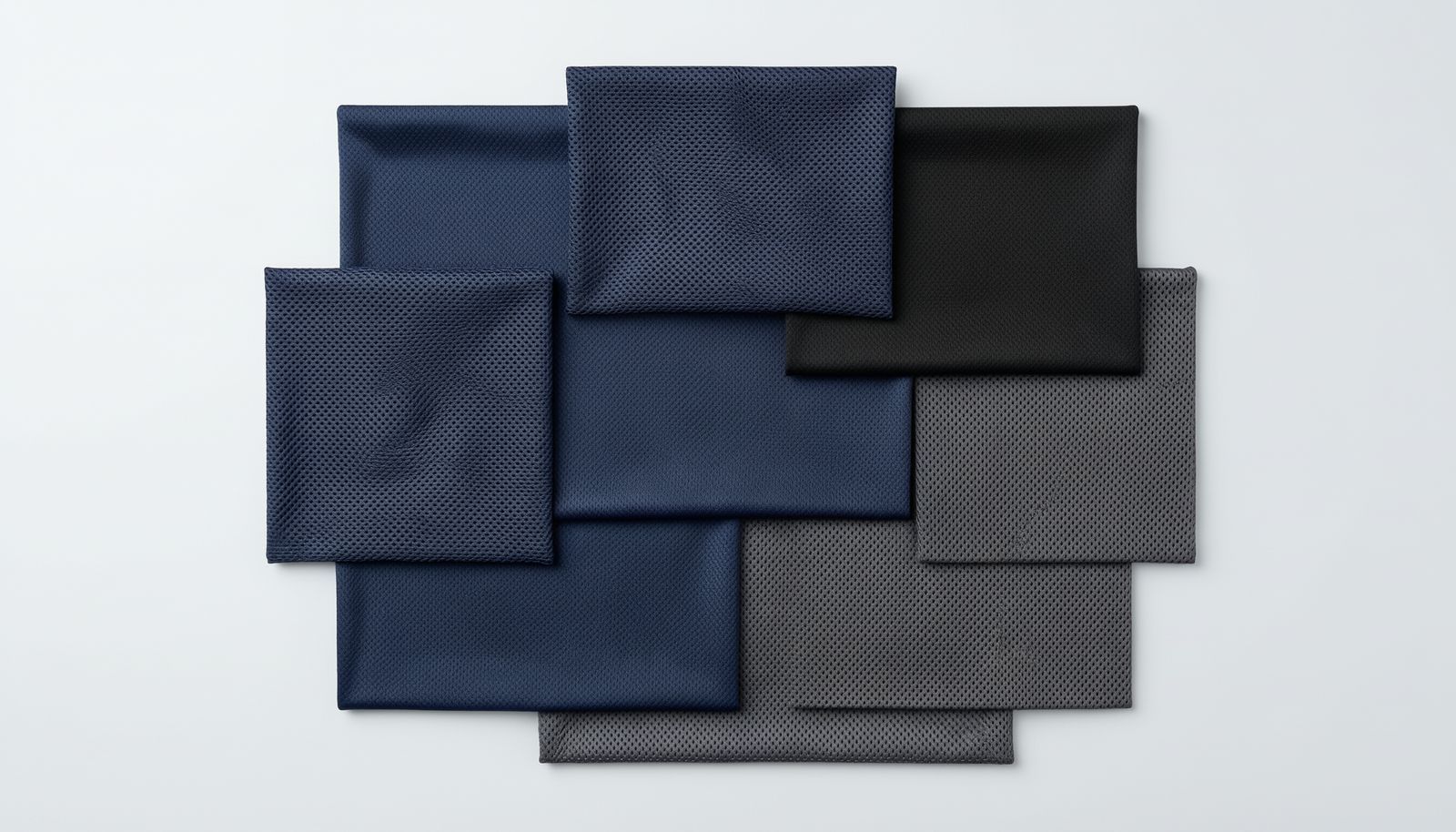
Stretch fabric is not one thing — it is a spectrum. 2-way stretch means the fabric stretches in one direction, typically horizontally across the width. This is common in basic woven fabrics with a small percentage of elastane added in the weft direction. 4-way stretch, also called four-directional stretch, means the fabric stretches both horizontally and vertically — across the width and along the length.
4-way stretch is achieved through two primary methods. The first is knit construction: circular knit fabrics inherently have mechanical stretch in all directions because of their looped structure. When you combine a circular knit base with elastane (spandex/Lycra) fibers, you get exceptional recovery — the fabric snaps back to its original shape after being stretched. The second method involves elastane-core spun yarns in woven constructions, where each yarn contains an elastic core wrapped in cotton, polyester, or nylon fibers.
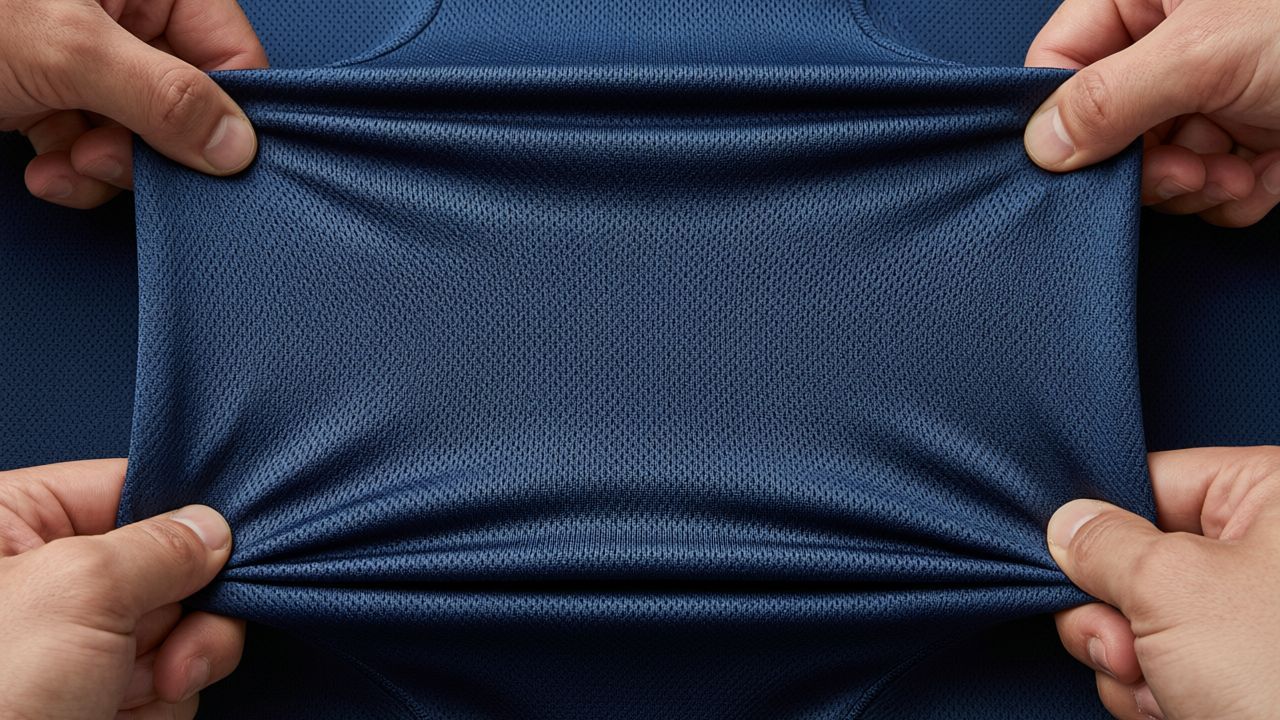
For athletes, 4-way stretch is not a luxury — it is a functional requirement. Consider a yoga practitioner moving through a vinyasa flow: the fabric across the back, knees, and hips must stretch in multiple axes simultaneously. A sprinter launching from the blocks needs fabric that stretches lengthwise along the quadriceps and widthwise across the hip flexors at the same time. Without genuine 4-way stretch, garments bind, ride up, and restrict the very range of motion they were designed to support.
Common 4-way stretch fabric compositions for sportswear include nylon/spandex blends (typically 75-85% nylon, 15-25% spandex) for compression wear, and polyester/spandex blends for lightweight training tops and shorts. The spandex content directly correlates with compression level: 10-15% for light support, 20-25% for medium compression, and 25-30%+ for high-compression performance pieces. If you are developing a product line, consider browsing our full range of custom activewear fabrics to compare stretch compositions across different garment categories.
2. Moisture-Wicking Technology: How It Works
Moisture-wicking is perhaps the most marketed — and most misunderstood — term in performance fabrics. At its core, wicking is not about the fabric absorbing moisture; it is about the fabric moving moisture away from the skin to the outer surface of the garment where it can evaporate.
The physics works in three stages. First, capillary action: sweat is drawn away from the skin through microscopic channels between fibers. Synthetic fibers like polyester and nylon are inherently hydrophobic (water-repelling), which means they do not absorb water into the fiber itself. Instead, moisture travels along the surface of the fibers through capillary gaps. Second, spreading: the moisture spreads across a larger surface area on the outer face of the fabric. This is why many performance fabrics use engineered cross-section fibers — trilobal, tetra-channel, or hollow-core profiles that create more surface area for moisture to travel along. Third, evaporation: the spread-out moisture evaporates into the air, cooling the wearer in the process.
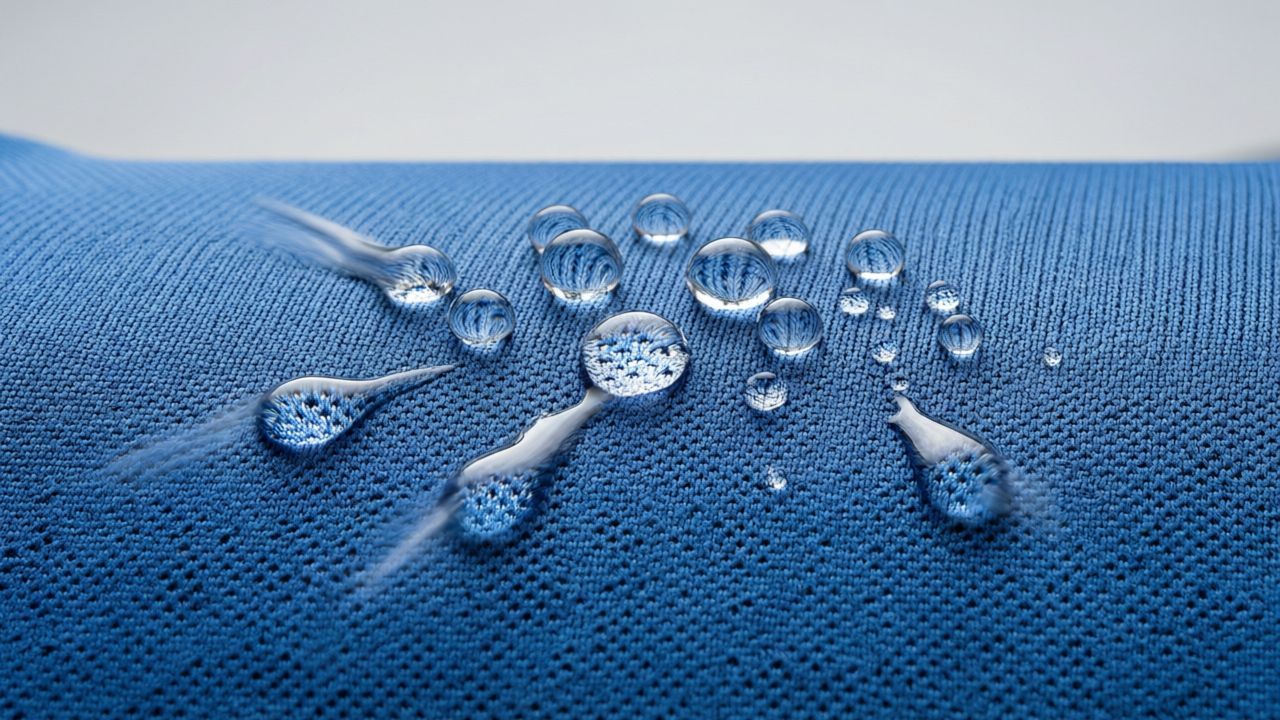
The critical distinction to understand is between moisture-wicking and moisture-absorbing. Cotton absorbs moisture — it holds sweat inside the fiber, becomes heavy, clings to skin, and takes a long time to dry. That is why you will never see a serious running top made of 100% cotton. Polyester and nylon wick moisture — they move it to the surface and let it go. This is also why blended fabrics that combine wicking synthetics with absorbent natural fibers need careful engineering: get the blend wrong, and the natural fiber component traps moisture that the synthetic component is trying to expel.
For brands seeking high-performance moisture management, look for fabrics that specify moisture vapor transmission rate (MVTR) and drying time in their technical data sheets. A drying time under 30 minutes in standard lab conditions is a good benchmark for premium activewear fabrics. If you have questions about specific moisture-wicking fabric options for your next collection, reach out to our fabric specialists for detailed technical specifications.
3. Laser Perforation for Smart Ventilation
Laser perforation represents one of the most significant advances in ventilation technology for performance apparel. Unlike traditional mesh panels — which require cutting separate fabric pieces and sewing them into a garment — laser perforation creates ventilation zones directly within the fabric itself, with zero added seams, zero added weight, and precise control over airflow placement.
The process uses computer-controlled CO2 laser systems that burn micro-perforations — tiny holes typically 0.5mm to 2.0mm in diameter — through the fabric in programmed patterns. Because it is digitally controlled, the hole size, spacing, density, and pattern geometry can all be precisely engineered for specific performance outcomes. A running jacket might feature a gradient perforation pattern: denser holes under the arms and across the upper back where heat builds up most, with sparser or no perforation across the shoulders and chest where wind protection matters more.
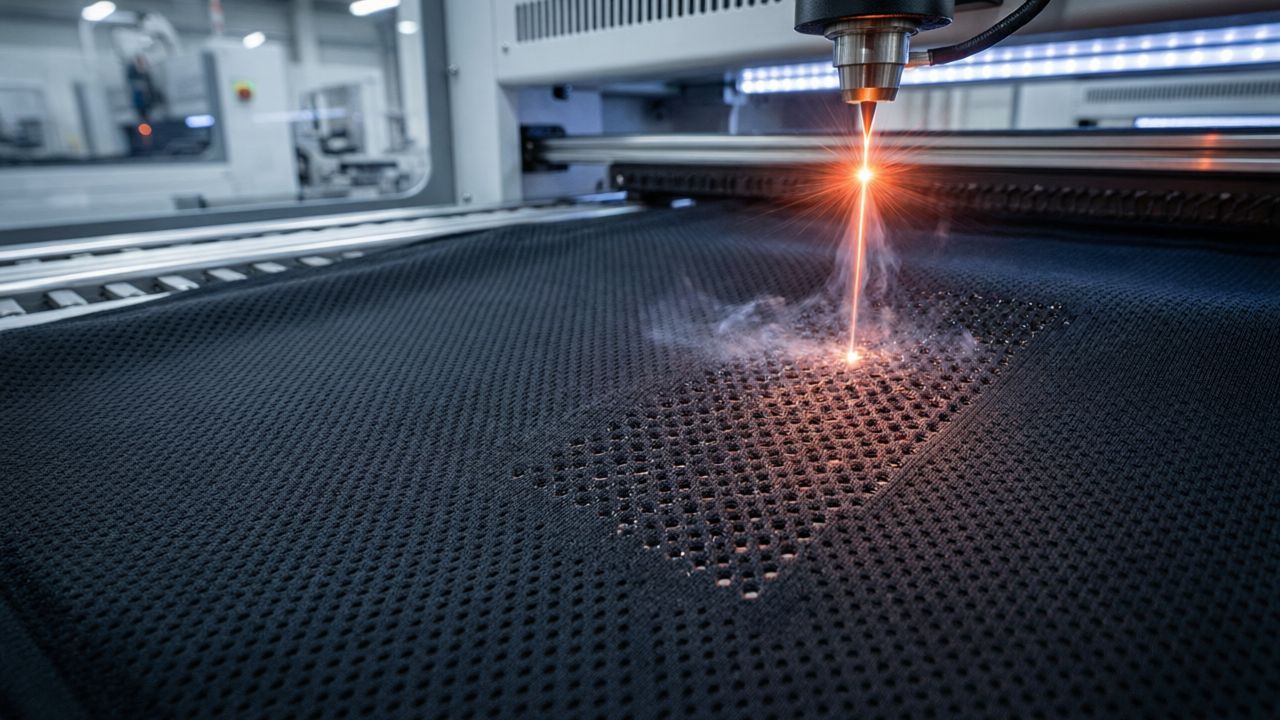
The advantages over traditional mesh panel construction are substantial. First, weight reduction: no seam allowances, no mesh overlay fabric, no binding tape. Second, clean aesthetics: perforation patterns can be designed as visible design elements — geometric grids, gradient fades, or brand logo motifs — rather than obvious functional patches. Third, precision: designers can specify exactly where and how much ventilation each zone provides, creating "heat maps" of airflow that match the body's thermoregulatory needs.
Laser perforation works best on synthetic fabrics — polyester, nylon, and their blends. Natural fibers like cotton tend to scorch or produce inconsistent hole edges. The fabric should also have some structure; very lightweight or loosely knitted fabrics may fray around perforation edges. For brands developing premium technical outerwear or high-intensity training gear, laser-perforated ventilation is a differentiator that signals engineering sophistication to discerning customers. Learn more about our advanced manufacturing capabilities and precision garment engineering.
4. Anti-UV Fabrics and UPF Ratings Explained
The Ultraviolet Protection Factor (UPF) rating system measures how effectively a fabric blocks ultraviolet radiation from reaching the skin. It is the fabric equivalent of SPF for sunscreen — but with an important difference: UPF measures protection against both UVA and UVB radiation, while SPF primarily measures UVB protection.
A UPF rating of 50+ — the highest commonly certified level — means the fabric blocks at least 98% of UV radiation, allowing less than 1/50th of UV rays to penetrate. UPF 30-49 provides "very good" protection, UPF 15-29 provides "good" protection, and anything below UPF 15 is not considered protective. These ratings are standardized under international testing protocols including AS/NZS 4399 (Australia/New Zealand), AATCC 183 (USA), and EN 13758-1 (European Union).
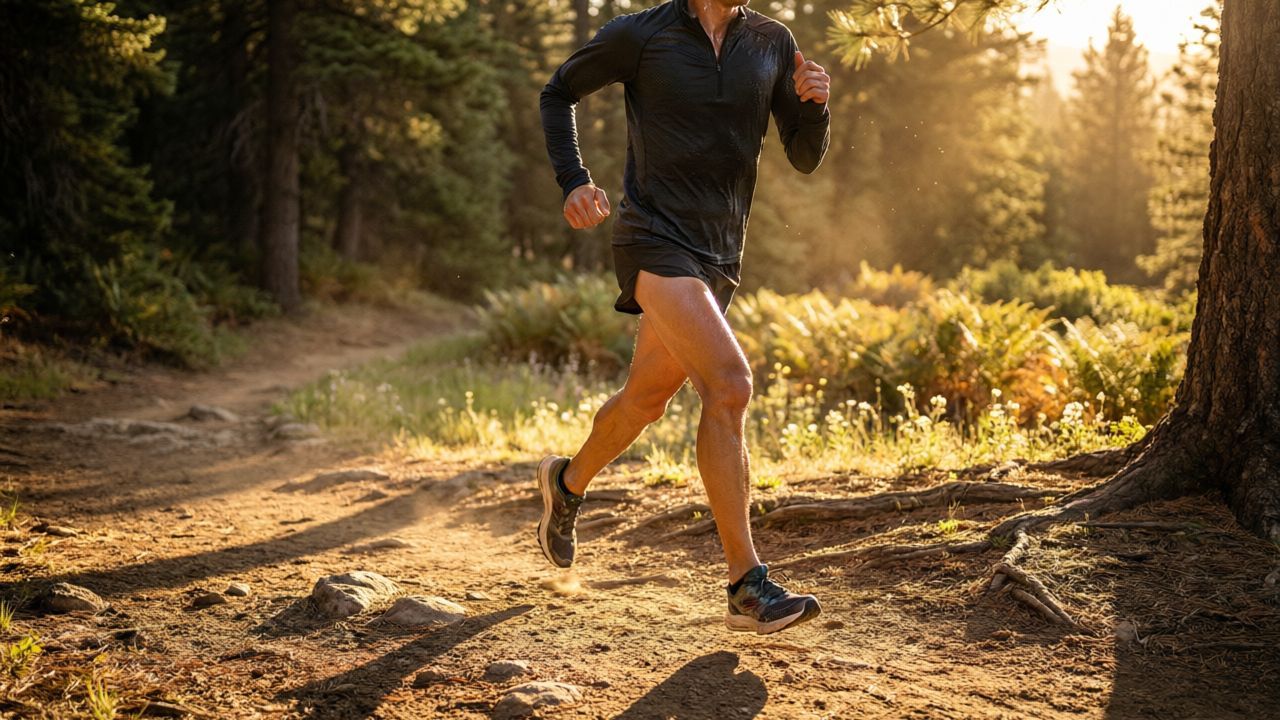
Several fabric factors influence UPF performance. Fiber type is the starting point: polyester and nylon naturally absorb more UV than cotton or rayon. Weave density matters enormously — a tightly woven fabric has fewer and smaller gaps for UV rays to pass through. This is why a lightweight white cotton T-shirt might only have UPF 5-8, while a dense polyester microfiber fabric can achieve UPF 50+ even in light colors. Color also plays a role: darker colors and more saturated dyes absorb more UV radiation than pale or pastel shades. Chemical treatments — UV absorbers, titanium dioxide coatings, and optical brighteners — can be applied during dyeing or finishing to boost UPF performance beyond what the base fabric alone provides.
It is critical to note that stretch reduces UPF. When a fabric is stretched (as it would be when worn tight against the body), the weave opens up and UV transmission increases. ASTM testing standards now include stretched-state testing for a more realistic rating. For brands developing sun-protective activewear — running tops, cycling jerseys, hiking shirts, swimwear cover-ups — specifying UPF 50+ fabric and communicating that rating clearly on hangtags and product descriptions is a powerful selling point. Explore our UV-protective fabric collection to see certified options with documented UPF performance.
5. Sustainable Fabric Options: Recycled Polyester and Eco-Dyeing
Sustainability in performance fabrics no longer means compromising on technical performance. The latest generation of recycled polyester — primarily made from post-consumer PET bottles — delivers the same moisture-wicking, quick-drying, and durability characteristics as virgin polyester, with a significantly lower environmental footprint.
The recycled polyester manufacturing process begins with collecting, cleaning, and shredding PET plastic bottles into flakes. These flakes are melted and extruded into polyester chips, which are then spun into yarn through the same melt-spinning process used for virgin polyester. The resulting fiber is chemically identical to virgin polyester — same molecular structure, same performance properties, same dye affinity. The difference is upstream: producing recycled polyester consumes approximately 59% less energy and reduces CO2 emissions by about 32% compared to virgin polyester production, according to lifecycle assessment data.
Two certifications matter here: the Global Recycled Standard (GRS) and the Recycled Claim Standard (RCS). GRS is the more comprehensive standard — it verifies recycled content, tracks the material through the entire supply chain, and also sets requirements for social and environmental processing practices including chemical restrictions. When you see a fabric labeled "GRS-certified recycled polyester," it means an independent third party has verified the recycled content claim at every stage from bottle to yarn to finished fabric.
On the dyeing side, eco-dyeing technologies are reducing water consumption, chemical usage, and effluent pollution. Dope-dyeing (also called solution dyeing or spun-dyeing) incorporates pigment directly into the polymer melt before fiber extrusion — eliminating the water-intensive dye bath entirely and producing color that is embedded throughout the fiber rather than just on the surface. This means superior color fastness and zero dye wastewater. Waterless dyeing using supercritical CO2 as the solvent instead of water is another emerging technology, though currently limited in commercial scale. For brands building sustainability into their brand identity, specifying GRS-certified recycled fabrics with dope-dyed color is one of the most credible technical combinations available. To discuss sustainable fabric sourcing for your upcoming collection, send us an inquiry with your requirements.
6. Fabric Testing: Color Fastness, Pilling, and Shrinkage
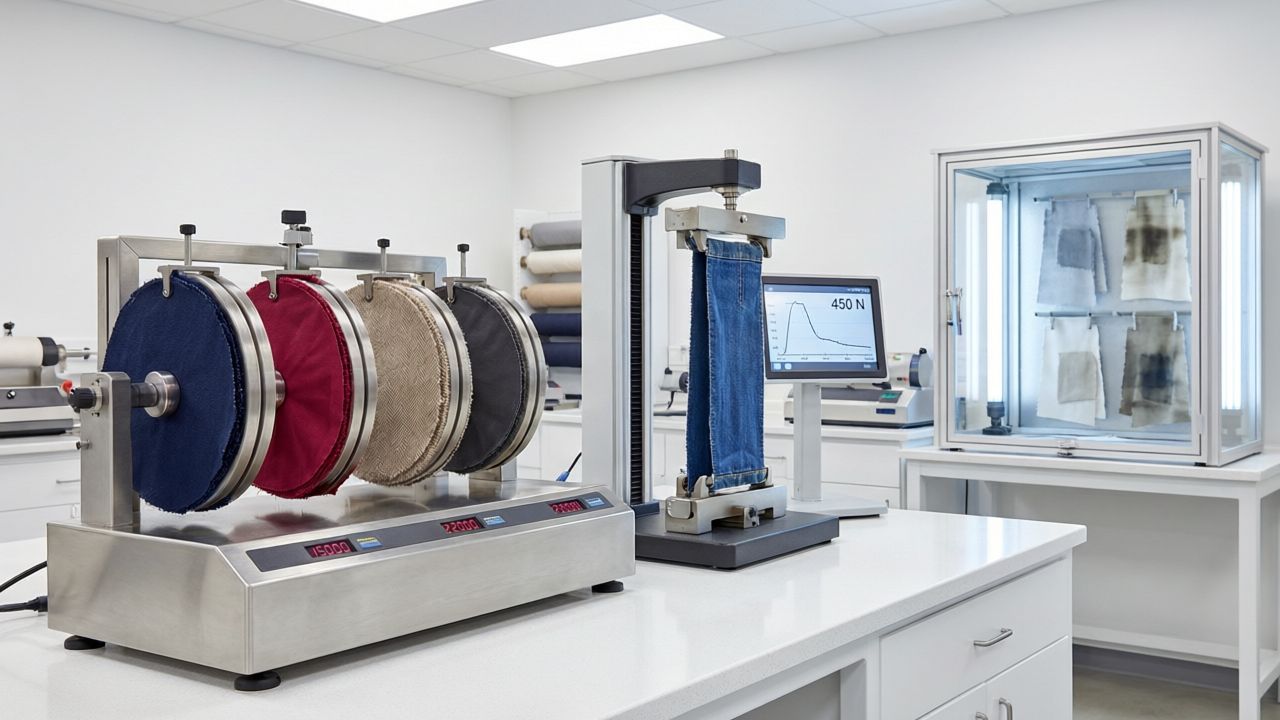
Technical fabric specifications mean nothing without verified testing data. For sportswear and activewear brands, three test categories are non-negotiable before moving into production: color fastness, pilling resistance, and shrinkage stability.
Color fastness measures how well a fabric retains its color under various stress conditions. The key tests include color fastness to washing (ISO 105-C06 / AATCC 61), which simulates multiple home laundry cycles and measures both color change in the fabric itself and color staining on adjacent white fabrics. Color fastness to perspiration (ISO 105-E04 / AATCC 15) is especially critical for activewear, as sweat pH and salt content can accelerate dye degradation. Color fastness to light (ISO 105-B02 / AATCC 16) tests fade resistance under simulated sunlight — important for outdoor and UV-exposed garments. For premium sportswear, a minimum Grade 4 on the 1-5 scale (where 5 is best) is the standard benchmark across all color fastness tests.
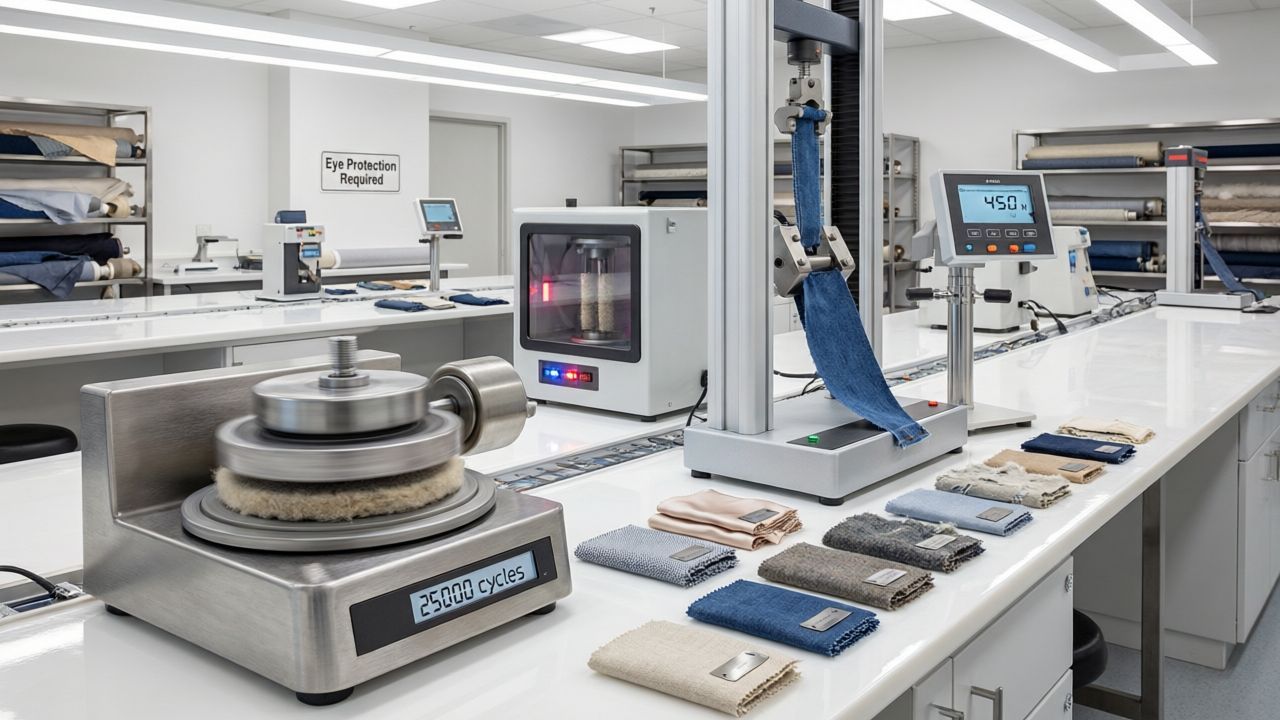
Pilling resistance measures the fabric's tendency to form small fuzzy balls on the surface after repeated rubbing. The Martindale method (ISO 12945-2 / ASTM D4970) rubs fabric samples against a standard abrasive under controlled pressure for a specified number of cycles — typically 2,000 cycles for general apparel, up to 7,000 for heavy-duty applications. The sample is then visually compared against standard rating photos on a 1-5 scale. For activewear that undergoes repeated friction (inner thigh areas on leggings, underarm zones on tops, contact points on backpack straps), a minimum rating of Grade 3-4 is recommended, with Grade 4+ for premium positioning.
Dimensional stability (shrinkage) testing (ISO 5077 / AATCC 135) measures how much a fabric shrinks after washing and drying. Fabric samples are marked with benchmark measurements, laundered under standardized conditions (typically 3-5 cycles), and re-measured. Shrinkage is expressed as a percentage in both length and width directions. For activewear, acceptable shrinkage is typically under 3% in either direction. Anything above 5% will result in noticeable garment distortion and customer complaints. Pre-shrinking processes (compacting, sanforizing for wovens, or heat-setting for synthetics) should be factored into the production workflow.
At MontForge, every fabric lot undergoes standardized quality testing before being released for production. We provide test reports upon request so you can verify specifications independently. If you are evaluating a new fabric supplier, always ask to see recent third-party test reports — not just the supplier's internal QC data — for the specific fabric constructions you are considering.
7. Choosing the Right Fabric for Your Product Line
With so many fabric technologies and specifications to consider, the decision process can feel overwhelming. The key is to work backward from the end user's activity profile rather than starting from the fabric catalog. Here is a structured framework for making fabric decisions that align with your product positioning.
Step 1: Define the primary activity. Is this fabric for high-intensity training (CrossFit, HIIT, sprinting), medium-intensity cardio (running, cycling, rowing), low-impact movement (yoga, Pilates, barre), or lifestyle athleisure? The activity determines the performance priorities. High-intensity training demands maximum moisture-wicking, 4-way stretch, and durability. Yoga and Pilates prioritize 4-way stretch, soft hand feel, and opacity when stretched. Athleisure balances comfort, drape, and aesthetic with moderate performance.
Step 2: Identify the non-negotiable technical requirements. Does the garment need UPF protection for outdoor use? Does it need laser-perforated ventilation for heat buildup zones? Does the brand promise require GRS-certified recycled content? These become your go/no-go filters when evaluating fabric options. A fabric that fails any non-negotiable requirement should be eliminated immediately, regardless of other attractive properties.
Step 3: Match composition to performance. For compression and high-stretch applications, nylon/spandex blends (75-85% nylon, 15-25% spandex) deliver superior recovery and durability. For lightweight, quick-drying tops, polyester/spandex blends (85-95% polyester, 5-15% spandex) provide excellent moisture management at a lower weight. For brushed thermal layers, polyester/spandex with a brushed back offers insulation plus stretch. For sustainable positioning, GRS-certified recycled polyester or recycled nylon provide the same performance as virgin synthetics with documented environmental benefits.
Step 4: Verify with testing data. Never select a fabric based on the supplier's verbal claims alone. Request technical data sheets showing color fastness (Grade 4+), pilling resistance (Grade 3-4+), shrinkage (under 3%), and UPF rating (if applicable) from recognized testing laboratories. If you are adopting a new fabric construction, consider ordering a small pre-production test batch to verify performance in real-world conditions before committing to bulk production.
Step 5: Consider the total garment engineering. Fabric choice does not happen in isolation. A 4-way stretch fabric needs compatible 4-way stretch trims, elastic, and thread. A laser-perforated panel needs proper seam placement so perforations are not compromised by stitching. A heavy-weight performance fabric may require reinforced seams and bartack stitching at stress points. Work with a manufacturer who understands the full system, not just the fabric rolls.
At MontForge, we work with our brand partners through this exact framework to ensure the fabric specification matches the intended product outcome. If you are ready to start selecting fabrics for your next collection, contact our product development team to discuss your specific requirements.
8. Fabric Technology at a Glance: Comparison Table
| Technology | Key Benefit | Best For | Key Spec to Check |
|---|---|---|---|
| 4-Way Stretch | Multi-directional freedom of movement | Yoga, training, compression wear | Spandex % (15-25% for active) |
| Moisture-Wicking | Sweat transport and fast drying | Running, HIIT, cycling, all cardio | Drying time (< 30 min) |
| Laser Perforation | Targeted ventilation, zero added weight | Training jackets, outerwear, race tops | Hole size, density, pattern coverage |
| UPF Protection | UV radiation blocking | Outdoor running, hiking, swimwear | UPF rating (50+ preferred) |
| Recycled Polyester | Reduced environmental footprint | All categories for sustainable brands | GRS certification |
| Dope Dyeing | Zero dye water, superior color fastness | All synthetic fabric categories | Color fastness to washing (Grade 4+) |
9. Frequently Asked Questions About Technical Fabrics
What is the ideal spandex percentage for activewear leggings?
For most activewear leggings, 15-25% spandex content (blended with nylon or polyester) provides the right balance of compression, stretch recovery, and durability. Below 15%, the fabric may lose shape after repeated wear. Above 25%, the fabric becomes more difficult to sew, more prone to shine, and may feel overly compressive for general training.
Does moisture-wicking fabric keep you cooler?
Yes — but indirectly. Moisture-wicking fabric does not actively cool you the way a fan or ice pack would. It accelerates evaporative cooling by moving sweat from your skin to the fabric surface where it can evaporate more efficiently. Evaporation is an endothermic process (it absorbs heat), so faster evaporation means more effective body cooling. This is why the same activity in a wicking polyester top feels cooler than in a cotton T-shirt.
How can I verify a fabric's UPF rating is legitimate?
Request the test report from the fabric supplier, which should reference the testing standard used (AS/NZS 4399, AATCC 183, or EN 13758-1), the testing laboratory name, and the test date. Legitimate reports will show both unstretched and stretched-state UPF values. Be cautious of suppliers who claim "UPF 50+" without being able to provide a dated test report from a recognized lab.
Is recycled polyester lower quality than virgin polyester?
No. Chemically, recycled polyester (rPET) is identical to virgin polyester at the molecular level — polyethylene terephthalate. Modern recycling and spinning technologies produce rPET yarns that match or exceed virgin polyester in tensile strength, color consistency, and dye uptake. The primary difference is environmental: rPET uses less energy, fewer petroleum resources, and diverts plastic waste from landfills and oceans.
10. Making Smarter Fabric Decisions Starts with Data
Technical fabrics are not interchangeable commodities. A nylon/spandex blend from one mill can perform dramatically differently from the same nominal composition from another mill, based on yarn quality, knitting tension, finishing processes, and quality control standards. The brands that succeed in the competitive activewear market are those that treat fabric selection as a rigorous, specification-driven process rather than a subjective, hand-feel decision.
Whether you are launching a new performance line or optimizing an existing collection, start with clear technical requirements, demand documented testing data, and work with manufacturing partners who invest in both fabric technology and quality assurance infrastructure. At MontForge, we have built our product development process around these principles — because fabric performance is the foundation that every other design decision rests on.
Ready to explore technical fabric options for your brand? Send us your requirements and our fabric specialists will provide targeted recommendations with full technical documentation.