Gym & Fitness Apparel Manufacturing: What Makes Training Gear Premium?
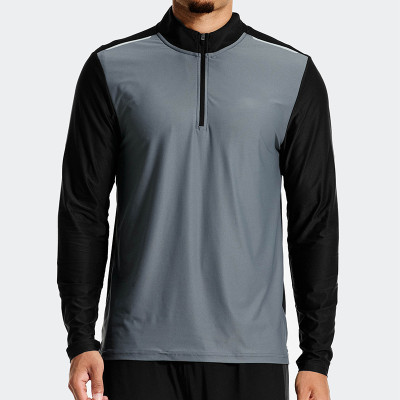
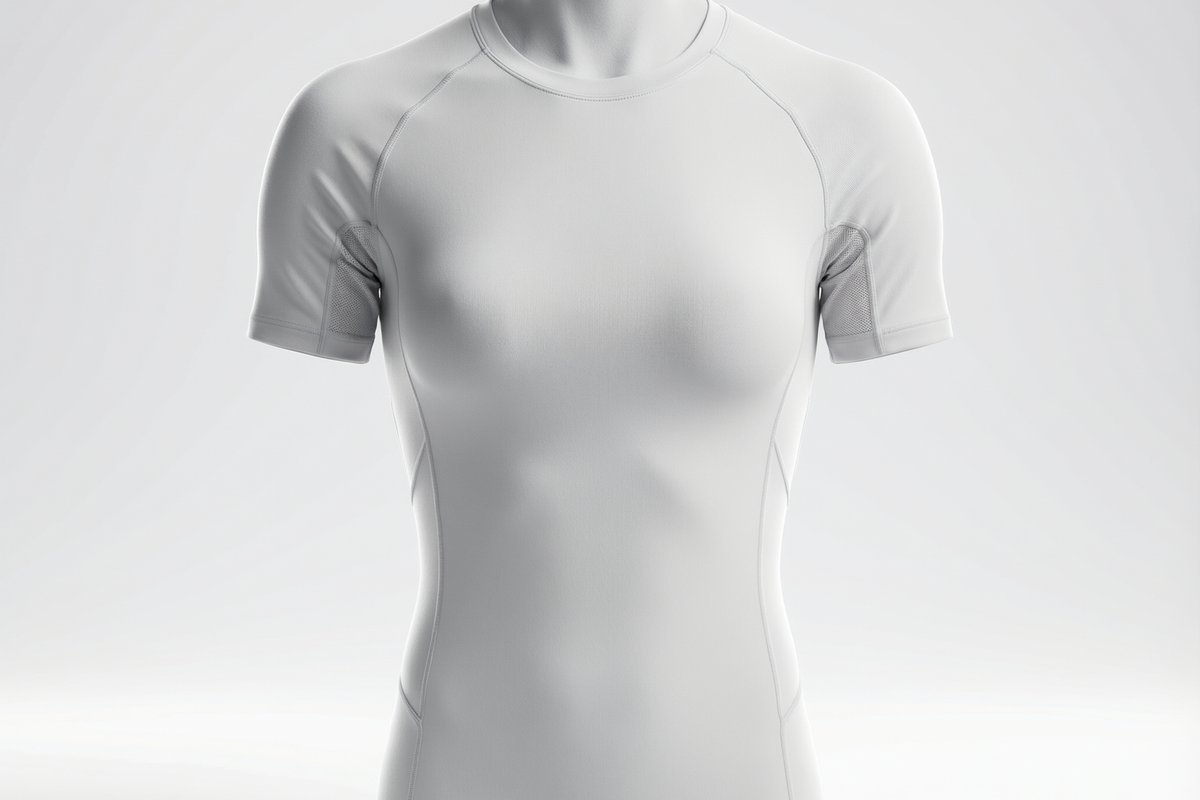
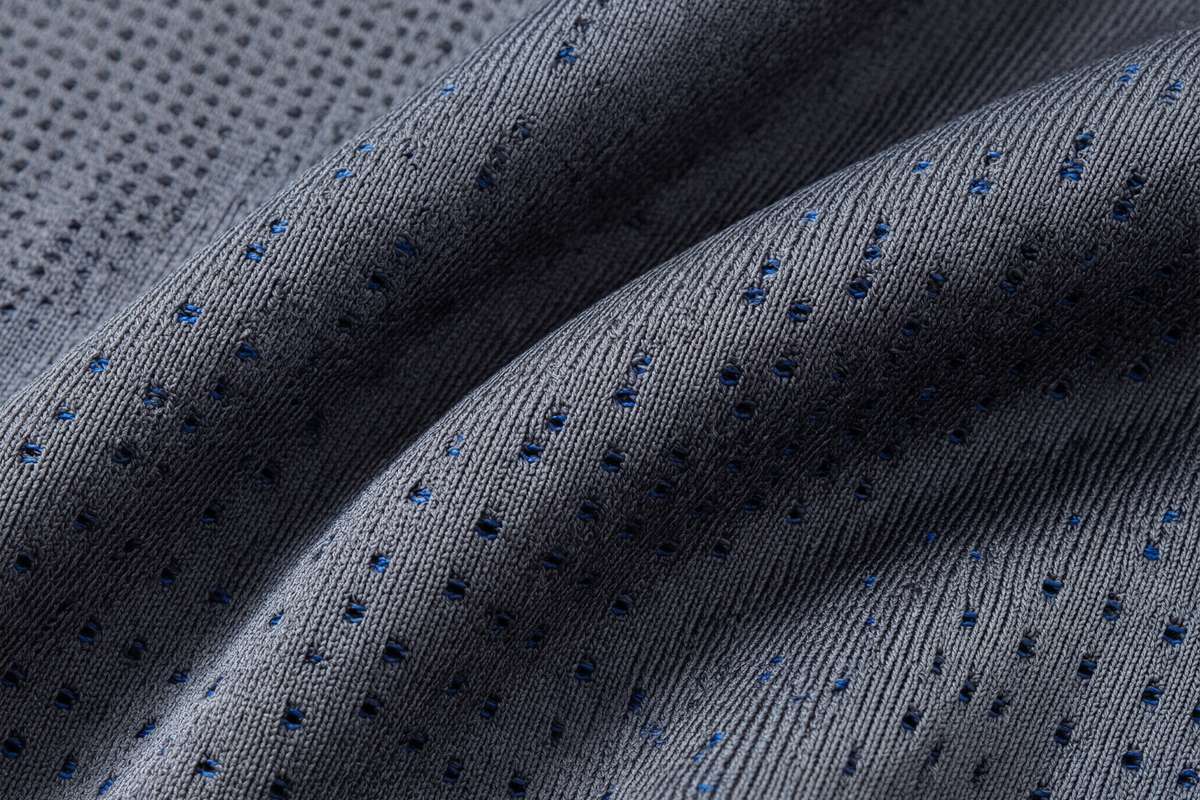
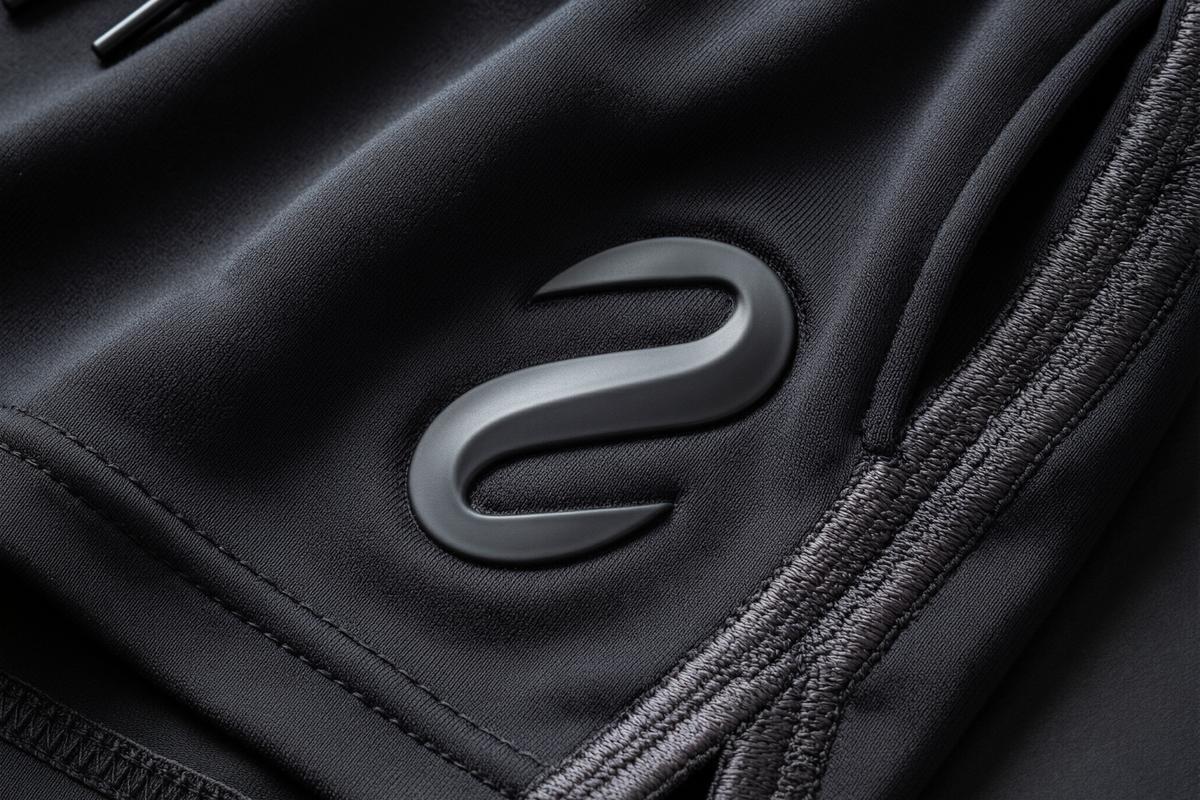
The global gym apparel market is projected to reach $230 billion by 2028, and the segment growing fastest is premium training gear — not entry-level basics, but high-performance pieces that athletes and serious fitness enthusiasts are willing to pay a premium for. What separates a $20 gym T-shirt from a $65 training top? The answer is not branding. It is engineering. Premium training gear is defined by fabric technology, construction methods, ergonomic design, and quality control standards that basic apparel simply does not require. For brands entering the gym apparel space, understanding what makes training gear premium is essential — not just for product development, but for communicating value to customers who can tell the difference. This guide covers every factor that contributes to premium gym wear — from the fabric technologies used in high-intensity training apparel to the manufacturing methods that deliver consistent quality at scale. If you are sourcing custom fitness apparel for your brand, this is your technical blueprint. Three physical properties define premium training gear: compression, breathability, and durability. Every other feature — moisture-wicking, odor control, UV protection — is a secondary enhancement layered on top of these fundamentals. Compression. Compression garments apply graduated pressure to specific muscle groups, which improves blood circulation, reduces muscle oscillation during high-impact movement, and accelerates recovery after training. The level of compression is measured in mmHg (millimeters of mercury). Light compression garments (10–15 mmHg) provide gentle support for everyday training. Medium compression (15–20 mmHg) is standard for performance wear, offering meaningful muscle stabilization without restricting movement. High-compression garments (20–30 mmHg) are typically used for recovery gear and specialist medical applications. Breathability. High-intensity training generates significant body heat and sweat. A garment that traps heat will be abandoned mid-workout, regardless of how good it looks. Breathability is measured by air permeability (how much air passes through the fabric) and moisture vapor transmission rate (MVTR). Premium training fabrics typically achieve MVTR ratings above 10,000 g/m²/24h, meaning they can move 10 liters of moisture vapor away from the body per square meter per day. Basic cotton or low-grade polyester blends typically fall below 5,000 g/m²/24h. Durability. Gym apparel undergoes repeated mechanical stress — stretching, friction against equipment, frequent washing. Premium training gear uses fabrics tested to withstand a minimum of 50 industrial wash cycles without significant degradation in performance. Key durability metrics include abrasion resistance (Martindale test, minimum 20,000 cycles), seam strength (minimum 120 N for major seams), and pilling resistance (minimum grade 3–4 on the ISO 12945-2 scale). If your supplier cannot provide test reports for these metrics, the garment is not premium. At MontForge, all gym wear fabrics are tested for compression consistency, MVTR, and abrasion resistance before production approval. The fabric is the foundation of any training garment. The technologies used in premium gym wear go far beyond basic polyester knit. The choice of fabric technology directly affects your garment's price point and market positioning. A basic polyester/spandex singlet costs roughly $4–6 to manufacture. A premium nylon/spandex compression top with engineered fiber technology costs $8–12 — but can retail for $55–85. The fabric upgrade is the single highest-ROI investment you can make in your product. If you are unsure which fabric technology fits your target price point and performance promise, speak with our fabric specialists for a free technical consultation → One of the most significant distinctions between basic and premium gym wear is how the garment is constructed. Two methods dominate the market. Traditional cut-and-sew. Fabric is cut from rolls according to pattern pieces, then sewn together. This is the standard method for most apparel manufacturing. It offers maximum design flexibility — any style, any fit, any combination of fabrics — but it introduces potential failure points at every seam. Each seam is a place where the garment can rip, unravel, or cause chafing. Premium cut-and-sew construction mitigates this with flatlock seams, bonded seams, or taped seams that lie flat against the skin. Seamless knitting. The entire garment is knitted in a single piece on specialized circular knitting machines. There are no side seams, no cutting waste, and no stitching failure points. Seamless garments offer superior comfort, zero chafing, and near-invisible finish under clothing. The trade-off is higher machinery cost (each seamless knitting machine costs $30,000–80,000), longer development time for the knit program, and less flexibility for last-minute design changes. For premium training gear, seamless construction is the gold standard. Brands like Nike Pro, Under Armour Rush, and Gymshark use seamless or near-seamless construction for their highest-margin products. The technology allows manufacturers to create garments with precisely engineered compression zones — tighter in some areas, looser in others — within a single knitted piece. If you are developing a premium training line and your factory does not offer seamless knitting capability, you are limiting your potential. A premium training garment fits differently from a casual T-shirt because it is engineered for movement. Ergonomic pattern design — often called "athletic fit" or "performance fit" — involves several specific techniques. Raglan sleeves. Instead of a traditional set-in sleeve that restricts shoulder movement, raglan sleeves extend from the neckline to the underarm in one continuous piece. This allows full overhead range of motion — essential for pull-ups, overhead presses, and yoga. Raglan construction is a hallmark of premium training tops and is significantly more expensive to produce than standard set-in sleeves due to increased fabric consumption and more complex assembly. Gusseted crotch. In training shorts and joggers, a gusset — a diamond-shaped insert at the crotch — provides additional freedom of movement and reduces seam stress during lunges, squats, and stretches. Garments without gussets are prone to seam failure at the crotch after repeated deep squats. This is one of the most common failure points in lower-quality fitness apparel. Articulated knees. For training tights and joggers, articulated knee shaping — a pre-bent curve at the knee — allows a full range of motion without the fabric pulling tight across the kneecap. This is achieved through pattern grading that accounts for the three-dimensional shape of a bent leg, not a flat two-dimensional silhouette. These ergonomic features add 15–25% to pattern-making and assembly time compared to basic construction. They also require more experienced pattern makers and higher skill levels on the sewing floor. When evaluating a manufacturing partner, ask to see their pattern library for training apparel and whether they offer raglan, gusset, and articulated knee options as standard or as special requests. If ergonomic fit is a priority for your training collection, request our pattern design portfolio to see examples of athletic fit engineering → How your brand mark is applied to the garment matters — for aesthetics, for durability, and for production cost. Each method has specific applications in gym wear. Heat transfer (silicone/TPU). The dominant branding method for modern training gear. A silicone or polyurethane patch is heat-pressed onto the fabric. It lies flat, stretches with the fabric, and withstands repeated washing without cracking or peeling. Premium silicone transfers can last 50+ washes. Best for: small logos on chest, center back, or waistband. Cost: $0.30–0.80 per application. Embroidery. Traditional stitched logos. Durable and premium-looking but adds weight and stiffness, and does not stretch. On performance fabrics, embroidery can also create needle holes that compromise the fabric's integrity over time. Best for: outerwear, hoodies, joggers (non-compression areas). Cost: $0.50–1.50 per application. Sublimation (all-over print). Dye is infused directly into the fabric fibers using heat and pressure. The result is a permanent, non-peeling, non-cracking print that covers the entire garment if desired. Sublimation does not add weight or stiffness, and the print is as breathable as the fabric itself. Best for: statement pieces, full-print designs, team apparel. Cost: $2–5 per garment (setup cost allocated across order quantity). Premium gym brands typically use heat transfer silicone patches for their core training collection and reserve sublimation for limited-edition drops and team orders. Embroidery is used selectively on outerwear pieces where durability is prioritized over stretch compatibility. Compression wear has evolved from a niche medical product to a mainstream training essential. The science supports its benefits, but not all compression garments are created equal. During exercise. Graduated compression improves proprioception (the body's awareness of limb position), which can enhance movement efficiency and reduce the risk of injury. It also reduces muscle oscillation — the vibration of muscle tissue during high-impact activities like running or jumping — which delays the onset of muscle fatigue. A 2018 meta-analysis published in the Journal of Sports Sciences found that compression garments improved recovery by reducing delayed-onset muscle soreness (DOMS) by an average of 32% in the 48 hours following intense exercise. Post-exercise recovery. Wearing compression garments after training accelerates the clearance of metabolic waste products (lactic acid) and reduces swelling through improved venous return. Many athletes now use dedicated "recovery compression" garments designed to be worn for 1–3 hours post-workout. These are typically lighter in compression (15–20 mmHg) but more breathable than training compression gear. For brands entering the compression wear segment, the key specification to communicate to your manufacturer is the target compression level in mmHg, not just a qualitative description like "high compression." A factory that cannot engineer to a specific mmHg range does not have the technical capability for true compression manufacturing. Discuss your compression specifications with our technical team → Odor control is one of the most requested features in premium training gear — and one of the hardest to deliver consistently. The problem is bacterial growth. Sweat itself is odorless; the smell comes from bacteria that thrive in the warm, moist environment of a worn training garment. The most common antimicrobial technologies used in sportswear fabrics include: • Silver ion treatment — silver nanoparticles embedded in the fabric inhibit bacterial growth. Effective for 20–50 washes depending on application method. The most widely used antimicrobial in sportswear. • Zinc pyrithione — an alternative antimicrobial that is increasingly used as a silver substitute. Matches silver in efficacy but costs 20–30% less. • Natural antimicrobial fibers — TENCEL lyocell, hemp, and bamboo have inherent antimicrobial properties without chemical treatment. These are growing in popularity for lifestyle-athleisure crossover products. • Polygiene / HeiQ — branded antimicrobial technologies with proven efficacy and marketing recognition. Garments treated with Polygiene or HeiQ can carry their logos, which adds perceived value for consumers. Important: Antimicrobial treatment is not permanent in most cases. All topical treatments (spray-on or pad-dry-cure methods) will degrade over time. The only permanent solution is incorporating antimicrobial fibers into the yarn itself during spinning, which is significantly more expensive and requires minimum order quantities of 500+ kg per fiber type. For most startups, silver ion treatment with 20–30 wash durability is the most cost-effective approach. Understanding market trends helps you design a collection that feels current, not dated, by the time it reaches production and ships. The key trends shaping men's gym wear in 2026 include: • Oversized training tops — relaxed fits for upper-body training, combining performance fabrics with streetwear proportions • Cargo joggers — joggers with zip pockets and cargo details, bridging the gap between gym and everyday wear • Matching training sets — coordinated top + bottom sets now account for 28% of men's gym wear sales in DTC brands • Earthy and muted color palettes — shifting from neon brights to olive, clay, charcoal, and sand tones • 3D embossing and engineered textures — textured fabric surfaces created through 3D embossing or laser etching, adding visual depth without weight • Sustainably marketed performance — GRS-certified recycled polyester and eco-conscious packaging are now baseline expectations for brands targeting customers under 35 These trends are not just aesthetic — they have real manufacturing implications. The oversized trend requires more fabric per garment, which raises unit costs. Matching sets require coordinated dye lots across two garment types. Muted earth tones are more sensitive to dye variation than standard black, requiring stricter quality control. A good manufacturing partner will flag these considerations during the product development phase, not after production has started. Review our current seasonal fabric library and trend report → The flexibility a manufacturer offers for customization directly impacts your ability to differentiate your brand. Here are the key customization dimensions and what they mean for your product: The key to cost-effective customization is understanding the relationship between MOQ and unit price. A 50-piece order of a custom-pattern training top with silicone branding will cost $18–25 per unit. The same top at 500 pieces drops to $9–14 per unit. At 2,000 pieces, it falls to $7–10. The first production run is never the most profitable — but it validates the design and gives you the sales data to forecast your next order confidently. MontForge offers flexible MOQs starting from 50 pieces per style with access to our full fabric library and customization options. Start your gym wear project with a free consultation → Not every sportswear factory can produce premium training gear. The capabilities required — seamless knitting or precision flatlock stitching, compression-grade fabric sourcing, ergonomic pattern engineering, silicone heat transfer branding — represent a specific manufacturing skill set that many general apparel factories lack. When evaluating a potential manufacturing partner for your gym apparel line, ask these questions: • What specific gym apparel categories do you specialize in? (Compression, loose training, seamless?) • Can you provide fabric test reports for compression, MVTR, and abrasion resistance? • Do you have seamless knitting machines or only cut-and-sew capability? • What branding methods do you offer for performance stretch fabrics? • Can you show me examples of ergonomic pattern work (raglan, gusset, articulated knee)? • What is your minimum order quantity for custom training pieces? • What certifications do you hold (OEKO-TEX, BSCI, GRS)? At MontForge, we manufacture premium men's training apparel including compression tops, training shorts, joggers, matching sets, and performance outerwear. Our facility offers cut-and-sew and seamless construction, silicone heat transfer and sublimation branding, and full fabric testing capability. We maintain OEKO-TEX Standard 100 and BSCI certification and offer MOQs from 50 pieces per style. If you are developing a gym apparel line and looking for a manufacturing partner with the technical capability to deliver premium training gear, contact us today. We will review your designs, recommend fabric and construction options, and provide a detailed quotation within 48 hours.What Makes Training Gear Premium?
1. Key Features: Compression, Breathability, and Durability
Request our fabric test data sheets →2. Fabric Technologies for High-Intensity Training
Technology How It Works Best For Engineered cross-section fibers Trilobal or tetra-channel fiber profiles create capillary channels that pull moisture away from skin Training tops, base layers Polyester/spandex blends 85/15 to 70/30 ratio, providing 4-way stretch with high recovery Compression tops, leggings, shorts Nylon/spandex blends Superior abrasion resistance and softer hand feel than polyester, with excellent stretch recovery Shorts, outer layers, premium leggings Recycled polyester (rPET) Made from post-consumer plastic bottles, GRS-certified, matches virgin polyester performance Sustainable training collections TENCEL lyocell blends Plant-based fiber with exceptional moisture management and natural antibacterial properties Lifestyle training wear, yoga apparel Coolmax / Supplex Branded performance fibers with optimized moisture transport and UV protection Premium running and training tops 3. Seamless Engineering vs. Traditional Cut-and-Sew Construction
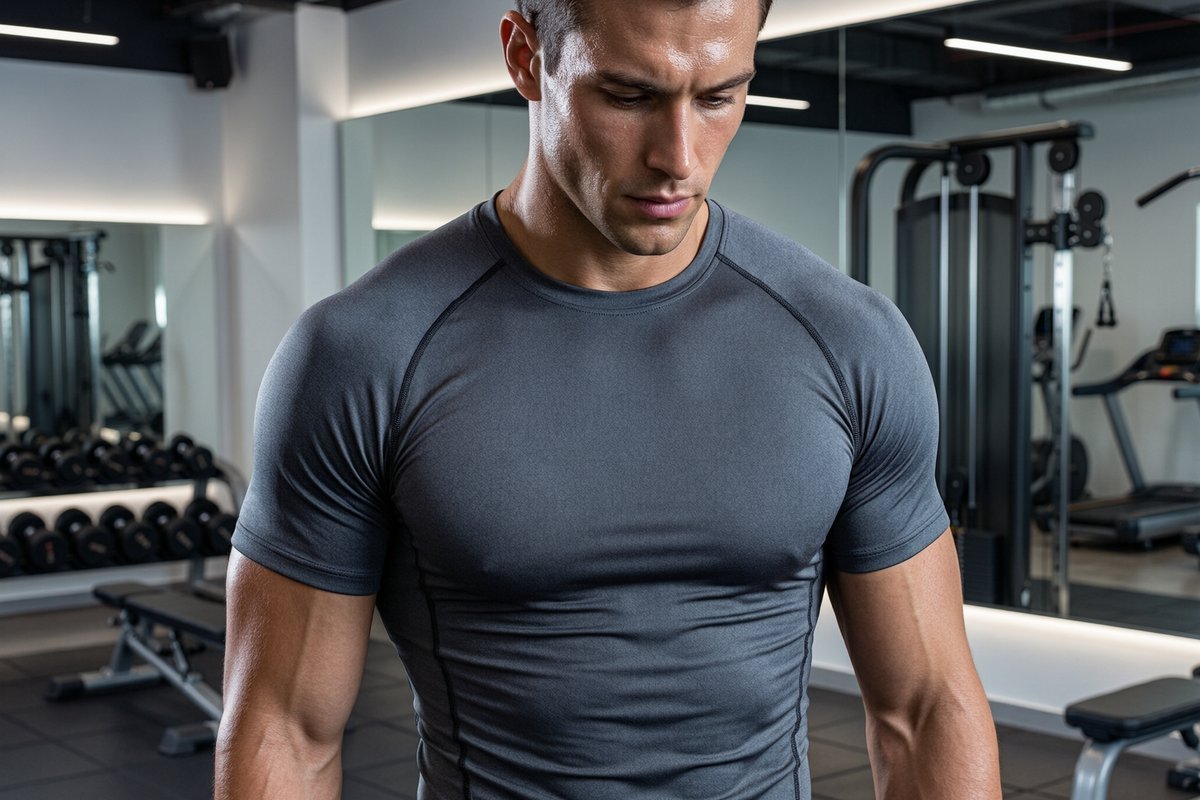
4. Ergonomic Pattern Design for Full Range of Motion
5. Gym-Specific Branding: Heat Transfer vs. Embroidery vs. Sublimation
6. The Role of Compression in Muscle Recovery and Performance
7. Antimicrobial and Odor-Control Technologies
8. Trends in Men's Training Apparel for 2026
9. Customization Options for Gym Wear Brands
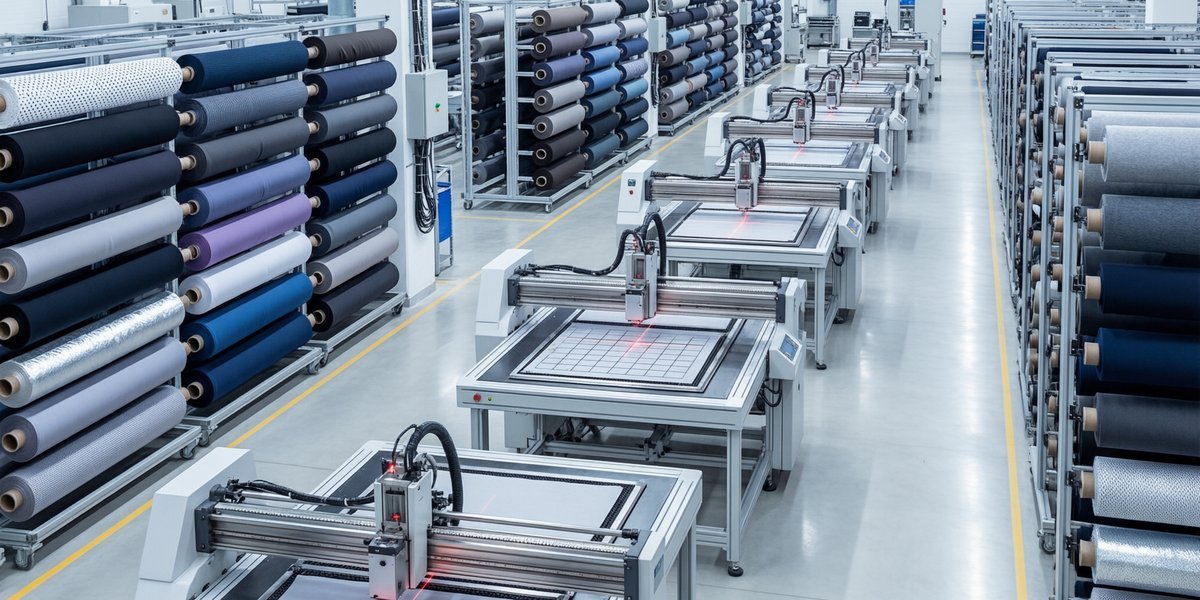
Customization Type What It Means MOQ Consideration Fabric selection Choose from manufacturer's existing fabric library or develop custom fabric (GSM, composition, finish) Stock fabric: 50–100 pcs. Custom fabric: 500–1,000 kg per type Pattern customization Modify an existing block pattern or create a new pattern from your tech pack Block pattern: 50 pcs. New pattern: 100–200 pcs Color matching Match your brand's Pantone colors; lab dip approval required 50 pcs per color Branding application Heat transfer, embroidery, sublimation, woven labels, hang tags 50–100 pcs per design Packaging Custom poly bags, tissue paper, cardboard inserts, size-specific packs 500–1,000 units per packaging type 10. Choosing the Right Manufacturing Partner for Premium Fitness Apparel