Sustainable Wicking Fabrics in 2026: Natural vs Synthetic | Guide for Activewear Manufacturers & Brands
Author: Montforge Textile Experts 10+ years in activewear manufacturing, serving global private label brands.
Key Takeaways
• Wicking fabric materials are essential for performance wear, moving sweat away for comfort.
• The industry is rapidly shifting towards sustainable solutions, driven by consumer demand and environmental concerns.
• Innovations in bio-based synthetics, recycled synthetics, and enhanced natural fibers are bridging the performance-sustainability gap.
• Sportswear fabric suppliers and activewear manufacturers play a critical role in developing and producing these advanced materials.
• Choosing a reliable OEM sportswear manufacturer like Montforge is key for brands seeking certified, high-performance, and sustainable solutions.
• Brands must prioritize transparency, certifications, and a circular economy mindset to thrive in 2026.
Introduction
The year 2026 marks a pivotal moment in the textile industry, particularly within the realm of performance wear. As consumer awareness around environmental impact grows, the demand for sustainable solutions in everything from daily apparel to high-performance sportswear is accelerating. At the forefront of this evolution are wicking fabric materials, engineered to manage moisture and enhance comfort during physical activity. This article delves into the evolving landscape of moisture-wicking fabrics, exploring the perennial debate between natural and synthetic fibers, and highlighting the innovative strides being made to integrate sustainability into their core. We will examine the scientific principles, emerging technologies, and the critical role of sportswear fabric suppliers and activewear manufacturers in shaping a more eco-conscious future for performance textiles. The focus will be on how these advancements are not just meeting, but driving, consumer expectations for both performance and planetary responsibility, with a special look at how leading OEM sportswear manufacturers like Montforge are leading the charge in providing private label activewear solutions.
The Science Behind Moisture Wicking
Moisture-wicking fabrics are designed to draw sweat away from the skin and facilitate its rapid evaporation, thereby keeping the wearer dry and comfortable. This functionality is primarily achieved through a physical phenomenon known as capillary action . Understanding this science is crucial for any sportswear fabric supplier aiming to innovate. Capillary action describes the movement of a liquid through narrow spaces against the force of gravity, much like water climbing up a paper towel.
At the microscopic level, this process is governed by the interaction between water molecules and the fabric's fibers. Moisture-wicking materials typically feature engineered micro-channels or pores within their structure. When sweat comes into contact with the fabric, the molecular attraction between the water and the fiber surfaces, combined with the surface tension of the water itself, pulls the liquid along these channels. This action spreads the moisture across a larger surface area on the fabric's outer layer, significantly accelerating the rate of evaporation.
The effectiveness of a fabric's wicking ability is intrinsically linked to its fiber composition and structure:
• Hydrophobic Fibers (Water-Repelling): Synthetic fibers like polyester and nylon are inherently hydrophobic. They repel water, preventing it from being absorbed into the fiber's core. Instead, moisture remains on the surface, where the engineered channels can efficiently transport it away from the skin. This characteristic is crucial for effective wicking, as it ensures sweat is moved, not retained.
• Hydrophilic Fibers (Water-Absorbing): Natural fibers such as cotton are hydrophilic, meaning they readily absorb water into their core. While this can initially feel comfortable, cotton tends to hold onto moisture, becoming heavy and slow to dry. This makes it less ideal for high-intensity activities where rapid moisture management is essential.
Advanced fabric engineering further enhances wicking performance. For instance, chemical moisture-wicking fibers often utilize irregular cross-sectional shapes (e.g., Y-shaped, cross-shaped) to create grooves on the fiber surface. These grooves form a capillary structure that rapidly absorbs and expels sweat. Additionally, multi-layer fabric constructions, such as double-layer knitted fabrics, can be designed with an inner layer of hydrophobic fibers and an outer layer of hydrophilic fibers to create a differential capillary effect, promoting one-way moisture transfer away from the skin.
| Feature |
Synthetic (e.g., Polyester, Nylon) | Natural (e.g., Cotton) |
|---|---|---|
| Moisture Behavior |
Moves along fiber surface | Absorbs into fiber core |
| Mechanism |
Capillary action (surface tension) | Absorption (hydrophilic cellulose) |
| Evaporation Speed | Fast | Slow |
| Feel When Wet | Surface dampness, dries quickly | Heavy, wet, stays wet, can feel cold and clammy |
| Hydrophobicity | High | Low (Hydrophilic) |
| Wicking Ability | Excellent | Poor (unless specially treated) |
Natural vs. Synthetic: A Historical Perspective
The debate between natural and synthetic fibers in performance wear has a long history, primarily centered on their inherent properties related to moisture management. For decades, synthetic materials dominated the wicking fabric market due to their superior performance characteristics.
Synthetic Fibers: The Reign of Performance
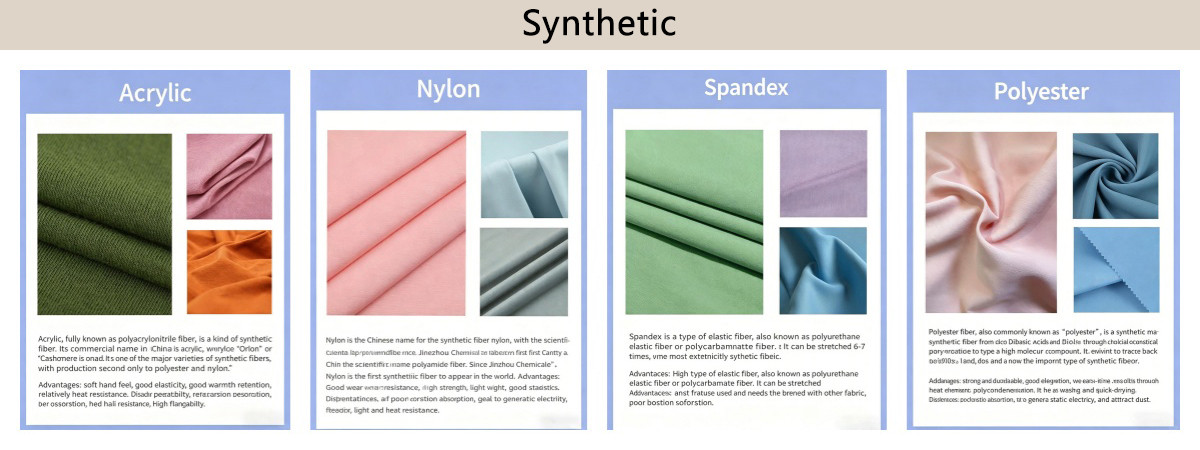
Early synthetic fibers like polyester and nylon quickly became the go-to choice for sportswear. Their hydrophobic nature, combined with the ability to engineer specific fiber structures, allowed for efficient capillary action. This meant sweat was rapidly transported away from the skin and spread across the fabric surface for quick evaporation, keeping athletes dry and comfortable. The development of blends, such as polyester spandex fabric, further enhanced these materials by adding stretch and flexibility, crucial for athletic movements. Leading sportswear fabric suppliers and activewear manufacturers have consistently utilized these materials. Brands like Nike, with their Dri-FIT technology, have successfully leveraged these synthetic properties to create high-performance apparel that has become synonymous with moisture-wicking.
Natural Fibers: Comfort vs. Functionality
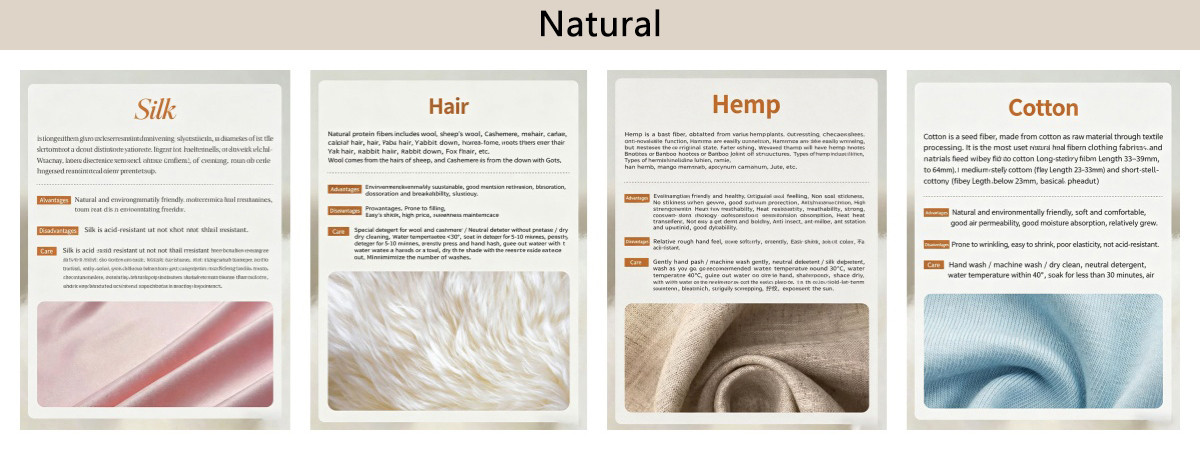
Conversely, traditional natural fibers like cotton, while prized for their softness and breathability in casual wear, presented significant challenges for active use. Cotton's hydrophilic nature causes it to absorb and hold onto moisture, leading to a "wet rag" effect that can be uncomfortable, heavy, and slow to dry [1] [4]. In cold conditions, wet cotton can even pose a risk of hypothermia, giving rise to the adage "cotton kills" in outdoor circles.
However, not all natural fibers are created equal. Merino wool, for instance, offers a unique moisture management profile. While it absorbs a small amount of moisture into its fibers, its crimped structure creates air pockets that help keep the fabric feeling dry to the touch and allows for gradual moisture release. This makes Merino wool a popular choice for base layers, especially in varying temperatures. Bamboo viscose, often marketed for its wicking properties, is more akin to cotton in its moisture absorption, with wicking claims often overstated.
Historically, the choice was often a trade-off: the comfort and natural feel of cotton versus the high-performance wicking of synthetics. However, as we approach 2026, this dichotomy is becoming increasingly blurred with the advent of sustainable innovations, driven by the demands of private label activewear brands and custom sportswear suppliers.
The Sustainability Imperative: Why 2026 is Different
As we look towards 2026, sustainability has transitioned from a niche concern to a fundamental imperative within the textile and apparel industry. This shift is driven by a confluence of factors, including heightened consumer awareness, stricter environmental regulations, and a growing understanding of the fashion industry's ecological footprint. The market for sustainable fabrics is projected to reach significant figures, indicating that eco-conscious choices are no longer a competitive advantage but a core business requirement.
Consumers are increasingly demanding transparency and ethical practices from brands. They are not only looking for high-performance products but also for items that align with their values, seeking assurances that their purchases do not contribute to environmental degradation or social injustice. This demand is pushing sportswear fabric suppliers, activewear manufacturers, and brands to re-evaluate their entire supply chain, from raw material sourcing to manufacturing processes and end-of-life solutions.
The year 2026 is particularly significant because it represents a point where innovation and sustainability are merging at an accelerated pace. Smart fabrics are being designed with biodegradability and recyclability in mind, reflecting a holistic approach to product lifecycle management. The focus is on creating materials that offer performance without compromising the planet, moving away from traditional synthetic finishes that often rely on harsh chemicals or microplastics [3]. This commitment to sustainability is reshaping the industry, making it essential for any brand, especially private label activewear brands, aiming for relevance and success in the coming years.
Emerging Sustainable Wicking Fabric Technologies for 2026
Bio-based Synthetics
Bio-based synthetics represent a significant leap forward in sustainable textile innovation. These materials are derived from renewable biomass sources, such as corn, sugarcane, or castor beans, rather than fossil fuels. While still offering the performance advantages of traditional synthetics—including excellent moisture-wicking capabilities, durability, and stretch—they significantly reduce reliance on petroleum-based resources and often have a lower carbon footprint. For example, advancements in bio-based polyester and bio-based spandex are making these materials increasingly viable for high-performance sportswear . Companies like Hyosung have already introduced USDA and SGS-certified regen Bio-Based Spandex made with 30% renewable resources, demonstrating the commercial readiness and potential of these innovations. The integration of bio-based materials into polyester spandex fabric blends is particularly promising, offering a sustainable alternative without compromising the desired performance characteristics for activewear. This makes them a key focus for activewear manufacturers and custom sportswear suppliers.
Recycled Synthetics
Recycled synthetics, particularly recycled polyester and recycled nylon, are another cornerstone of sustainable wicking fabrics. These materials are produced by reprocessing post-consumer or post-industrial waste, such as plastic bottles and fishing nets, into new fibers. This process significantly reduces landfill waste, conserves energy, and lowers greenhouse gas emissions compared to producing virgin synthetics. The performance characteristics of recycled synthetics are comparable to their virgin counterparts, making them ideal for high-performance applications like sportswear where durability and moisture management are critical.
The use of recycled fabric blends, including recycled polyester spandex fabric, is gaining traction as brands and private label activewear manufacturers seek to offer both performance and environmental responsibility [5]. The market for recycled materials is expanding rapidly, with innovations focusing on improving the quality and consistency of recycled fibers, as well as developing more efficient recycling processes. This trend is crucial for closing the loop in textile production and moving towards a more circular economy, making it a priority for sportswear fabric suppliers.
Enhanced Natural Fibers
While synthetics have traditionally dominated the performance fabric market, innovations are also transforming natural fibers to enhance their wicking capabilities and sustainability profile. The goal is to leverage the inherent comfort and biodegradability of natural materials while overcoming their limitations in moisture management.
For organic cotton, which is naturally absorbent but slow to dry, bio-based finishes are proving to be a game-changer. These hydrophilic treatments reduce the surface tension of cotton fibers, enabling them to move liquid rather than store it. This allows sweat to be pulled through the yarn and spread across the fabric's outer surface, maximizing the area for evaporation and rivaling the dry times of some synthetics. Such advancements mean that organic cotton can now be engineered for high-performance activewear, preventing the "wet rag" effect while maintaining GOTS (Global Organic Textile Standard) integrity.
Merino wool continues to be a strong contender in the natural wicking category. Its unique fiber structure allows it to absorb a significant amount of moisture without feeling wet, and its natural crimp creates air pockets for insulation and gradual moisture release. Ongoing research and development in wool processing aim to further optimize its performance and expand its applications in sustainable sportswear.
Other natural fibers, such as hemp and Tencel (lyocell), are also gaining traction. Tencel, derived from sustainably sourced wood pulp, is known for its excellent moisture absorption and breathability, making it a naturally moisture-managing fiber. The focus for these enhanced natural fibers is to provide sustainable alternatives that offer both comfort and effective moisture management, catering to a growing consumer preference for natural-feeling performance wear. This presents new opportunities for activewear manufacturers and private label activewear brands.

The Role of Sportswear Fabric Suppliers and Manufacturers
The transition towards sustainable wicking fabrics is not solely driven by consumer demand; it is fundamentally shaped by the innovation and commitment of sportswear fabric suppliers and OEM sportswear manufacturers. These entities play a pivotal role in the entire value chain, from research and development of new materials to the ethical production of finished garments.
Driving Innovation: Fabric suppliers are at the forefront of developing next-generation sustainable materials. This includes investing in R&D for bio-based polymers, advanced recycling technologies for synthetics, and eco-friendly treatments for natural fibers. Their expertise in material science and textile engineering is crucial for creating wicking fabric materials that not only meet stringent performance requirements but also adhere to environmental and social standards.
Ensuring Quality and Performance: For brands, especially those in private label activewear, partnering with reliable sportswear fabric suppliers is essential to guarantee that sustainable wicking fabrics deliver on their promises. This involves rigorous testing for moisture management, durability, stretch, and colorfastness, ensuring that the eco-friendly alternatives perform as well as, if not better than, traditional materials. Certifications like GOTS, OEKO-TEX, and GRS (Global Recycled Standard) become critical benchmarks for verifying both sustainability claims and product quality.
Facilitating Sustainable Production: Manufacturers are responsible for implementing sustainable practices throughout the production process. This includes optimizing resource consumption (water, energy), minimizing waste, managing chemical use responsibly, and ensuring fair labor practices. The ability to offer vertical manufacturing, where processes from cutting to finishing are handled in-house, can further enhance efficiency, quality control, and traceability, contributing to a more sustainable supply chain. This is a key advantage offered by experienced activewear manufacturers.
Market Growth and Trends: The global sportswear fabric market is experiencing robust growth, with projections indicating significant expansion in the coming years. This growth is increasingly intertwined with the demand for sustainable options. Suppliers and OEM sportswear manufacturers who can offer innovative, high-performance, and sustainably produced wicking fabric materials are well-positioned to capture a larger share of this evolving market. The market for spandex alone is estimated to reach USD 3.46 billion in 2026, highlighting the continued importance of stretch fabrics, which are increasingly being developed with sustainable alternatives like bio-based and recycled spandex.
Montforge: Your Partner in Sustainable Performance Fabrics
For brands looking to develop sustainable activewear, choosing the right OEM sportswear manufacturer is critical. Montforge stands as a premier sportswear fabric supplier and activewear manufacturer, offering comprehensive solutions that address the complex demands of performance, sustainability, and market trends in 2026. We understand that private label activewear brands require partners who can deliver not just products, but also expertise and ethical production.
Montforge provides:
• Certified Sustainable Fabrics: Access to a wide range of certified wicking fabric materials, including advanced bio-based and recycled polyester spandex fabric options. These materials undergo rigorous testing for moisture-wicking, stretch, UV protection, and durability, ensuring both performance and environmental responsibility.
• Vertical Manufacturing for Quality Control: Our in-house vertical manufacturing capabilities, from cutting to finishing, ensure consistent quality, efficient production, and enhanced traceability. This integrated approach allows for stringent quality control and reduced environmental impact, crucial for activewear manufacturers committed to sustainability.
• Innovation and Customization: Montforge's expertise in textile engineering and product development enables brands to create unique, high-performance activewear. We collaborate closely with clients to integrate the latest sustainable textile technologies and provide bespoke solutions for custom sportswear suppliers.
• Commitment to Ethical Production: With certifications like BSCI, GRS, and OEKO-TEX® STANDARD 100, Montforge demonstrates a strong commitment to ethical and sustainable manufacturing practices, helping brands meet their sustainability goals and appeal to eco-conscious consumers.
Why Partner with an Experienced Sportswear Manufacturer?
If you are sourcing wicking fabric materials or developing new lines of private label activewear, partnering with an experienced sportswear manufacturer is paramount. A reliable OEM sportswear manufacturer ensures:
• Consistent Quality: Guaranteeing that your polyester spandex fabric and other performance materials meet stringent quality standards for durability, comfort, and moisture management.
• Scalable Production: The ability to handle varying order volumes, from small batches for startups to large-scale production for established brands.
• Certified Materials: Access to a wide range of certified sustainable fabrics, ensuring compliance with environmental and ethical standards.
• Expertise in Innovation: Leveraging the manufacturer's R&D capabilities to integrate the latest sustainable textile technologies into your products.
• Efficient Supply Chain Management: Streamlined processes from material sourcing to delivery, reducing lead times and optimizing costs.
Key Considerations for Brands in 2026
For brands navigating the evolving landscape of performance textiles in 2026, several key considerations will be paramount to success and market relevance:
1 Embrace Transparency and Certifications: Consumers are increasingly scrutinizing product claims. Brands must be transparent about their material sourcing and manufacturing processes. Partnering with sportswear fabric suppliers who offer recognized certifications (e.g., GOTS, GRS, OEKO-TEX) provides credible assurance of sustainability and ethical practices.
2 Prioritize Performance and Sustainability Equally: The expectation is no longer a trade-off between performance and sustainability. Brands must seek out wicking fabric materials that deliver superior moisture management, durability, and comfort, while simultaneously minimizing environmental impact. This means exploring innovative options like bio-based and recycled polyester spandex fabric blends.
3 Invest in Research and Development: The textile industry is rapidly innovating. Brands should actively engage in R&D or collaborate with sportswear fabric suppliers who are at the forefront of material science. This ensures access to the latest sustainable technologies and allows for the development of unique, high-performance products.
4 Understand Your Target Market's Values: Different consumer segments may prioritize different aspects of sustainability or performance. Tailoring product offerings and marketing messages to resonate with these values is crucial. For instance, some consumers may prefer enhanced natural fibers, while others may prioritize the technical performance of advanced recycled synthetics.
5 Build a Circular Economy Mindset: Beyond sourcing sustainable materials, brands should consider the entire lifecycle of their products. This includes designing for durability, repairability, and ultimately, recyclability or biodegradability. Collaborating with manufacturers who can support these circular principles is vital for long-term sustainability.
Conclusion
The year 2026 marks a transformative period for the textile industry, particularly in the realm of performance wear. The traditional divide between natural and synthetic fibers is being bridged by a new generation of sustainable wicking fabric materials that offer both high performance and environmental responsibility. From bio-based and recycled synthetics to enhanced natural fibers, the innovations are diverse and rapidly evolving.
For brands, the imperative is clear: embrace sustainability not as an option, but as a core business strategy. This involves careful material selection, transparent supply chains, and partnerships with forward-thinking sportswear fabric suppliers and manufacturers like Montforge, who are committed to driving positive change. By prioritizing both performance and planetary well-being, the industry can forge a future where cutting-edge athletic apparel coexists harmoniously with environmental stewardship. The rise of sustainable wicking fabrics is not just a trend; it is a testament to a more conscious and innovative future for textiles.
Looking for a reliable partner to develop your sustainable activewear line?
Contact Montforge today to discuss your custom wicking fabric materials and private label activewear needs. Explore our products and services to see how we can help your brand forge a sustainable path in performance apparel.
FAQ: Sustainable Wicking Fabrics
Q: What is the best moisture-wicking fabric in 2026?
A: The "best" wicking fabric material in 2026 depends on specific needs. For high performance and sustainability, advanced bio-based or recycled polyester spandex fabric blends are excellent choices. Merino wool also offers unique natural wicking properties for various conditions.
Q: Are recycled fabrics good for sportswear?
A: Yes, recycled fabrics are highly suitable for sportswear. They offer comparable performance to virgin synthetics in terms of moisture management and durability, while significantly reducing environmental impact. Many leading sportswear fabric suppliers now offer high-quality recycled options.
Q: Which fabric is best for private label activewear brands?
A: For private label activewear brands, the best fabric balances performance, sustainability, and cost. Options include advanced polyester spandex fabric (recycled or bio-based), enhanced organic cotton with wicking finishes, or Merino wool. Consulting with an experienced activewear manufacturer can help determine the ideal choice.
Q: How do I find a reliable OEM sportswear manufacturer for sustainable fabrics?
A: Look for an OEM sportswear manufacturer with proven expertise in sustainable wicking fabric materials, relevant certifications (e.g., GOTS, GRS, OEKO-TEX), vertical manufacturing capabilities, and a strong commitment to ethical production. Montforge is an example of such a partner.
Q: What are the benefits of bio-based polyester spandex fabric?
A: Bio-based polyester spandex fabric offers the high performance of traditional synthetics (moisture-wicking, stretch, durability) but is derived from renewable resources, reducing reliance on fossil fuels and lowering the carbon footprint. It's a key sustainable innovation for sportswear fabric suppliers.